
Energy Planning: A Key Driver in Regional Expansion
A comprehensive energy strategy is essential to establishing operations in Latin America. Explore the region’s opportunities and learn why understanding local dynamics is critical for informed decision-making.
In today’s competitive global landscape, Latin America offers exceptional potential for corporate growth. Its diverse and rapidly evolving energy matrix creates substantial opportunities for organizations that plan strategically.
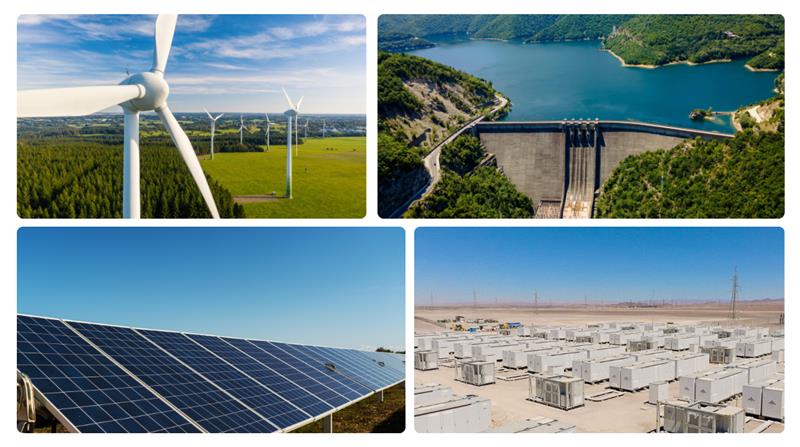
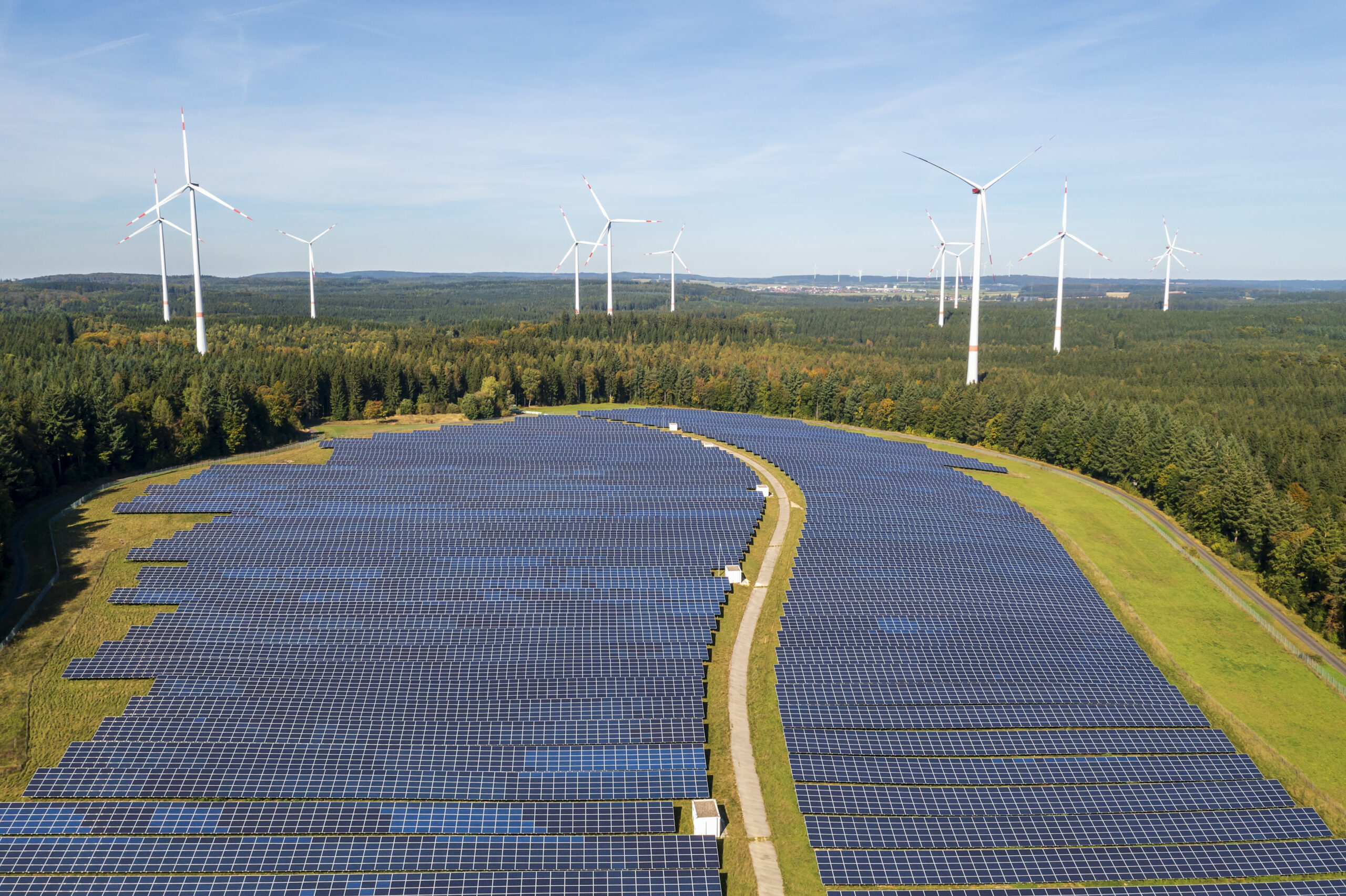
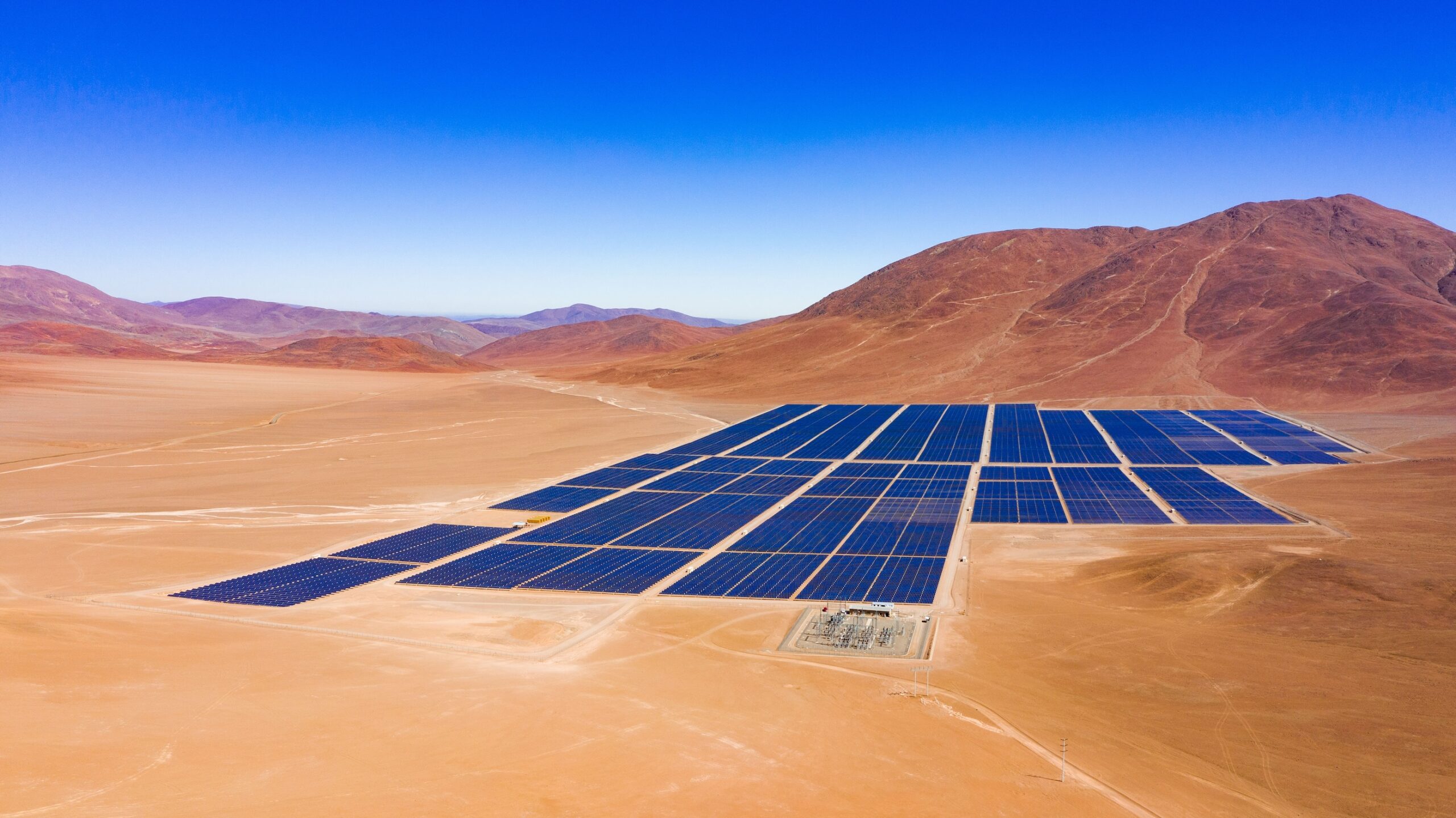
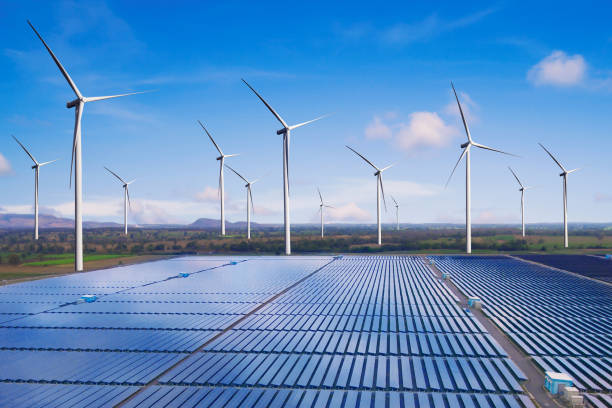
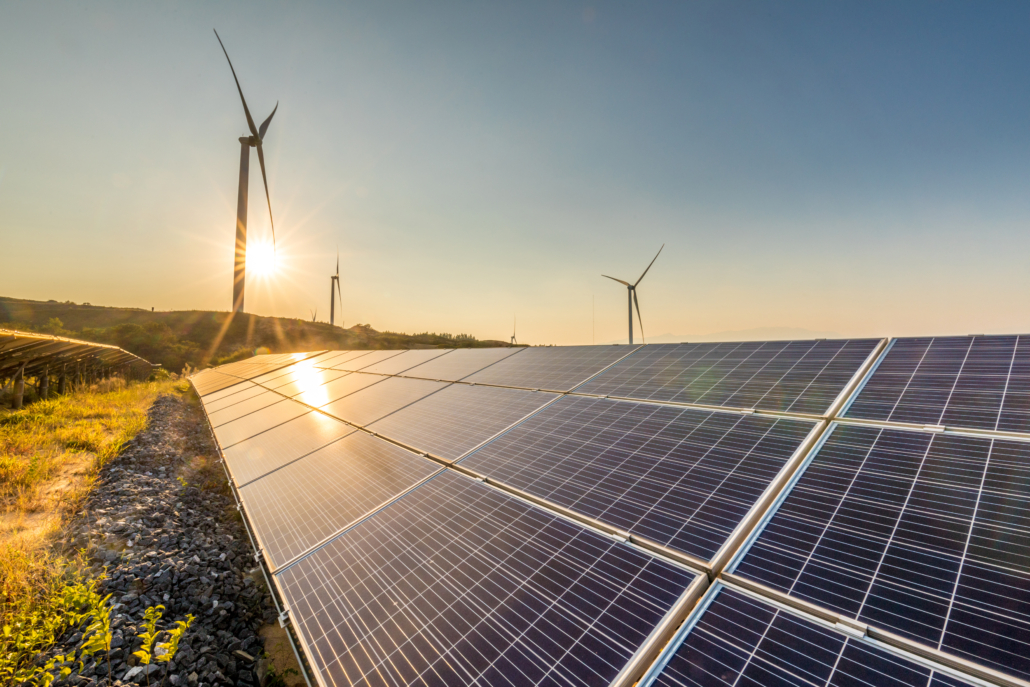
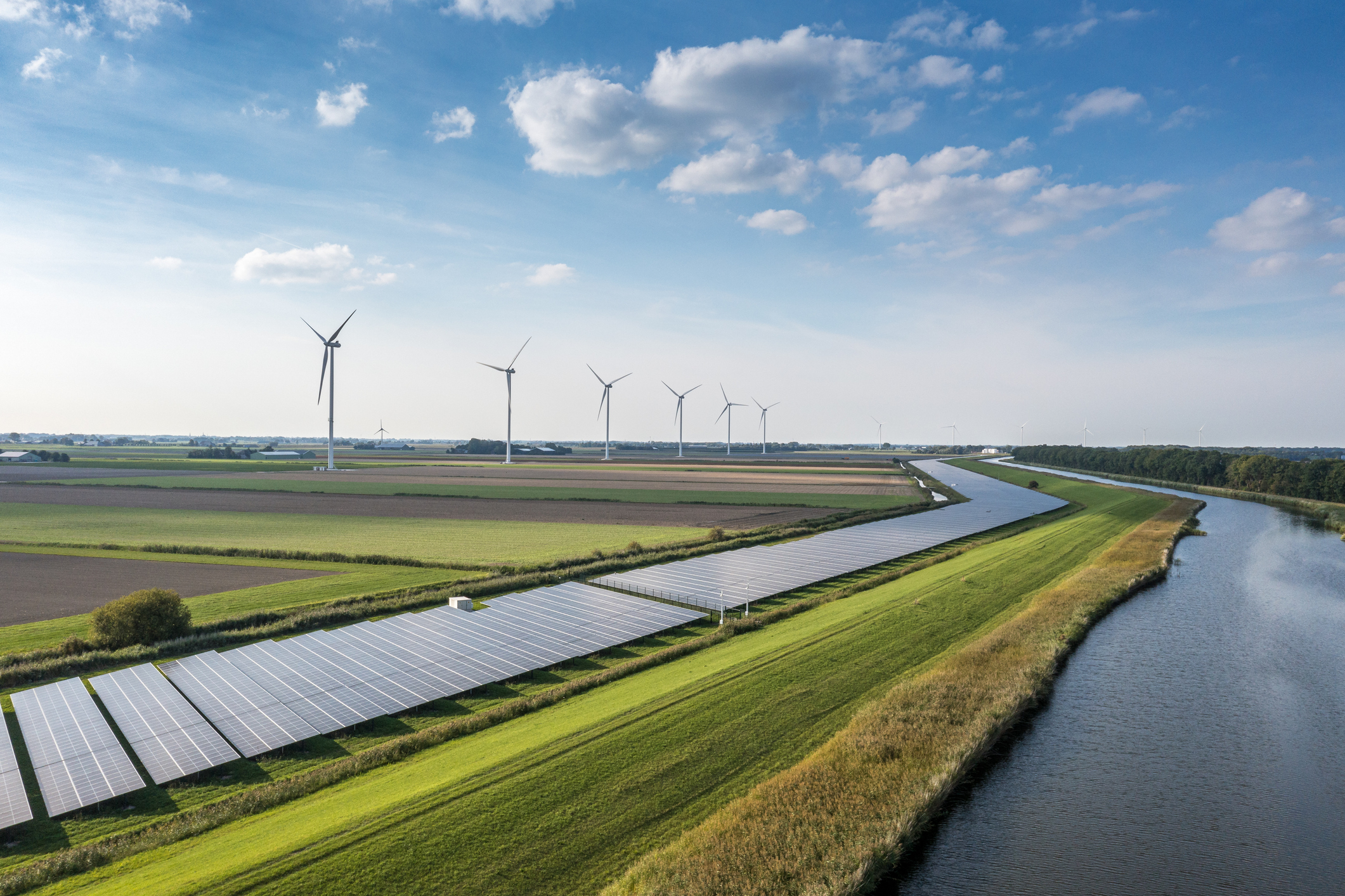
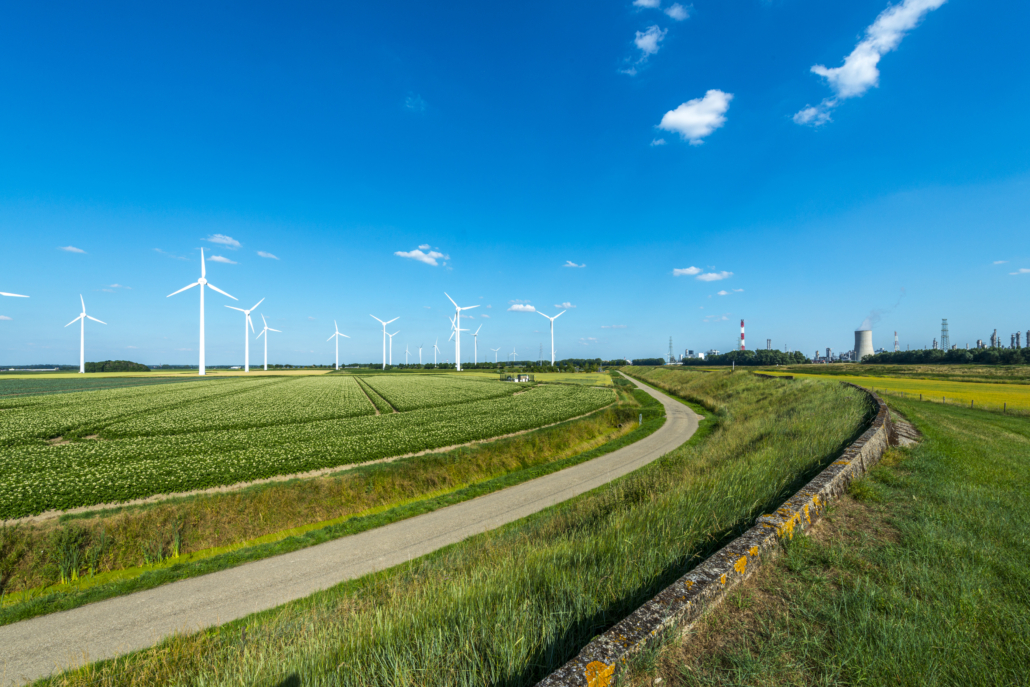
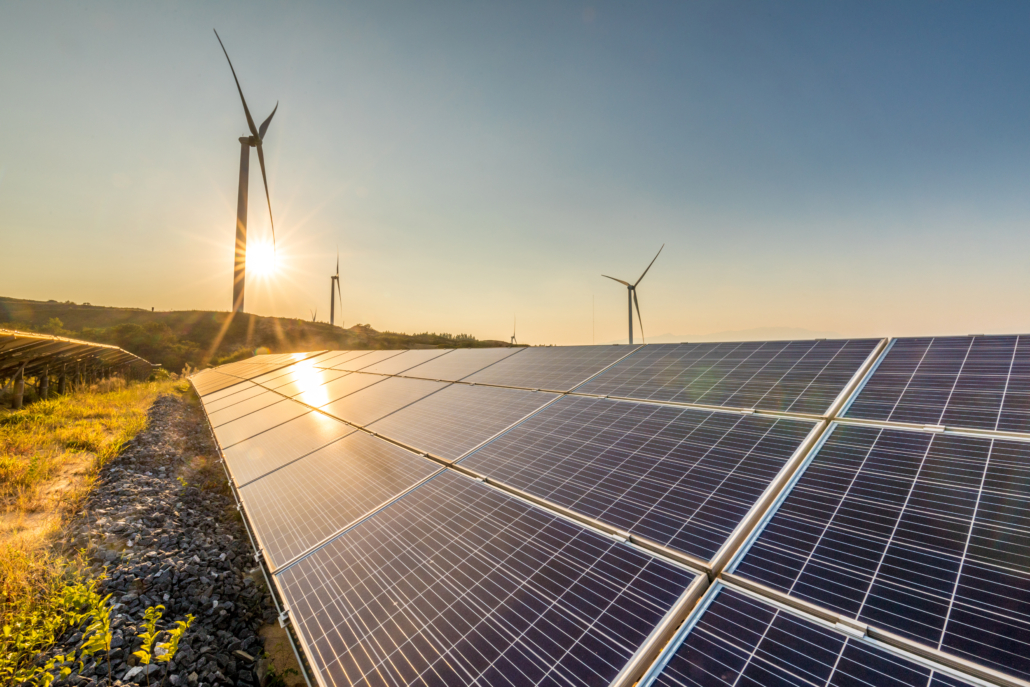
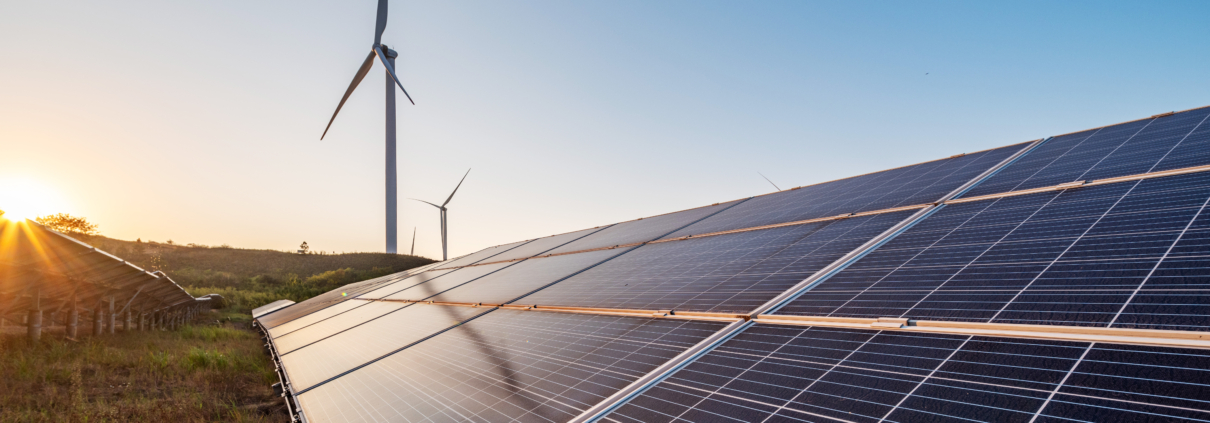
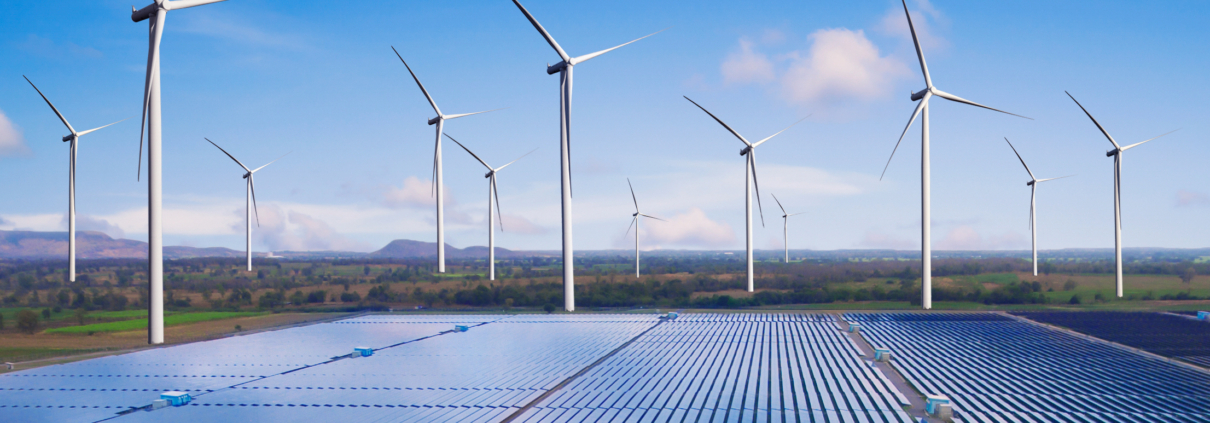
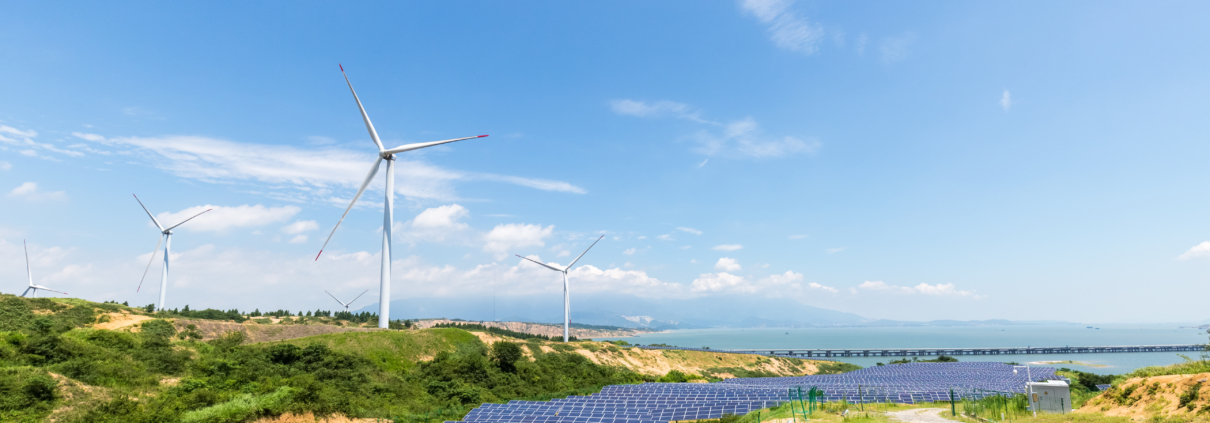
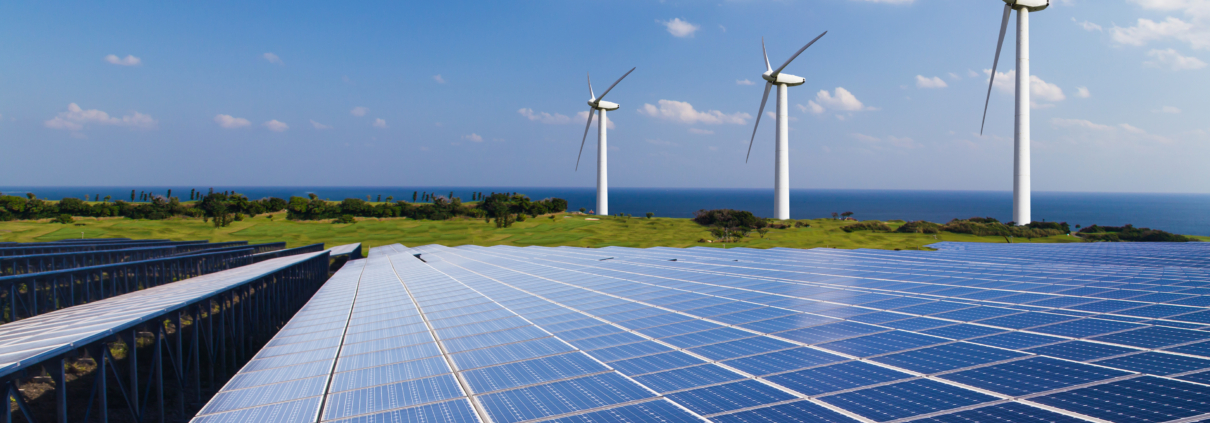
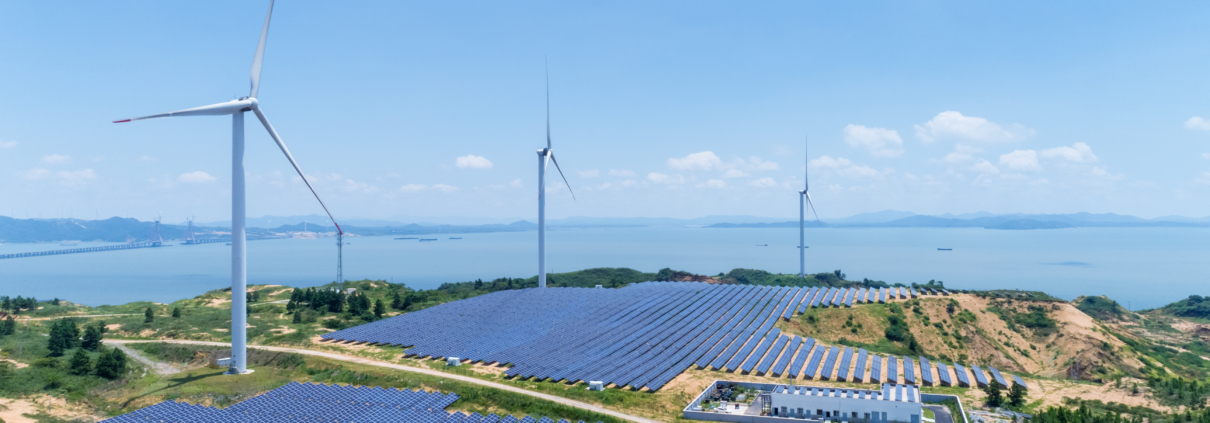
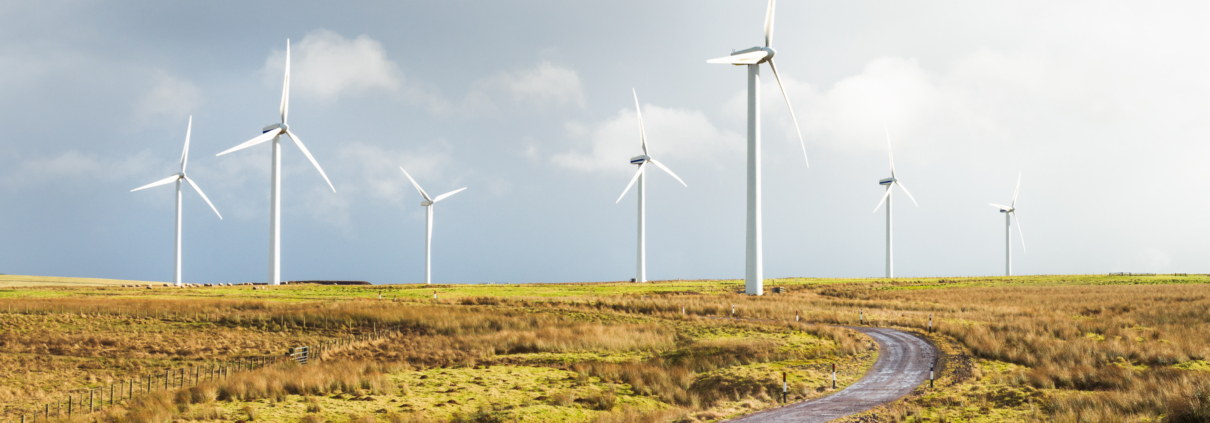
Today, roughly 70% of the region’s electricity comes from renewable sources—more than double the global average, according to OLADE (the Latin American Energy Organization)—and projections from institutions such as the IEA and IRENA indicate that most of the new power capacity to be installed between now and 2030 will be driven by technologies such as solar and wind.
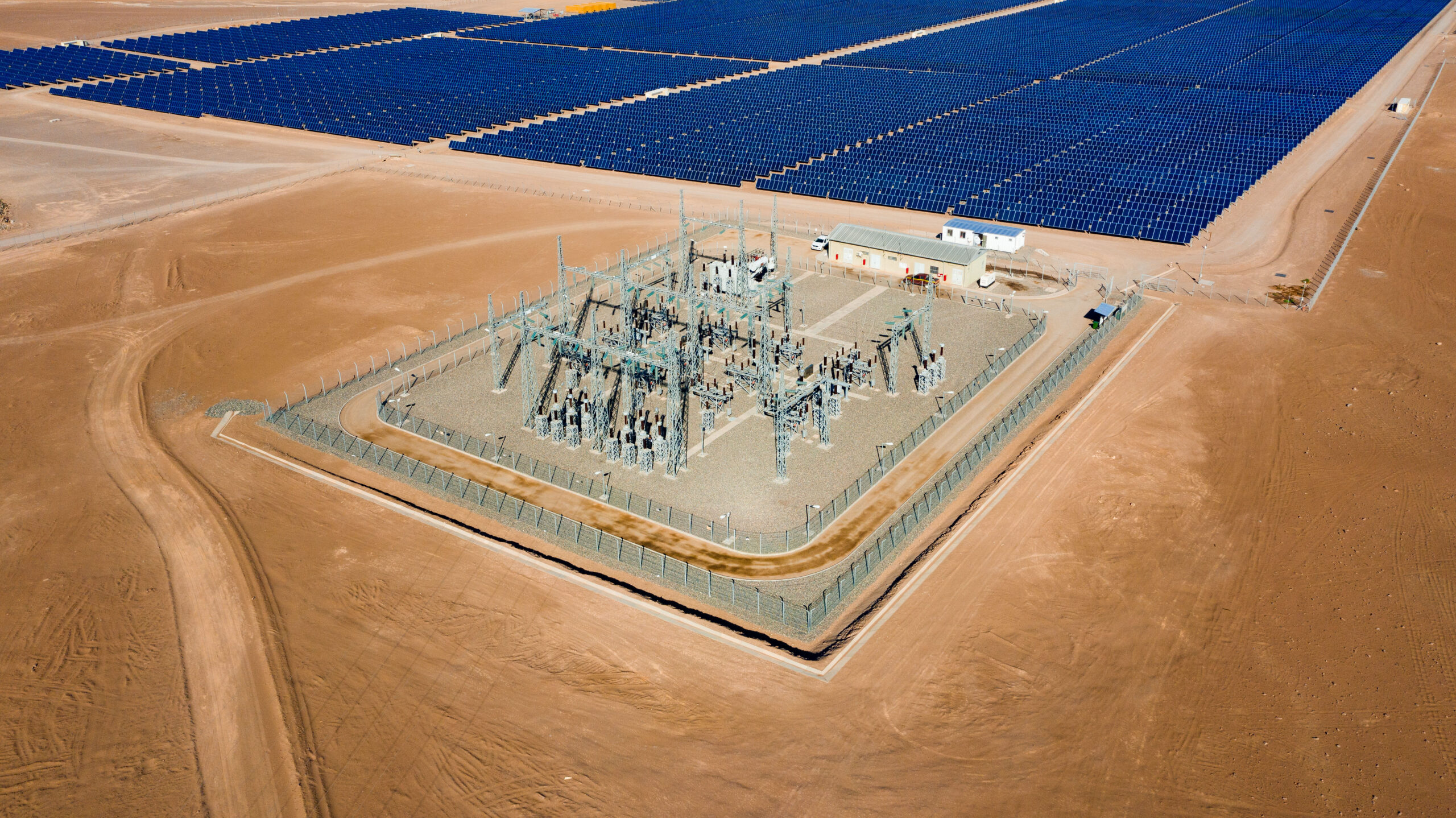
At the same time, electricity demand is accelerating. The Latin America Energy Outlook 2023, published by the International Energy Agency (IEA), projects demand to increase by 90% by 2050 under current policies, and up to 180% if decarbonization commitments are achieved.
This will almost double the share of electricity in final energy consumption—from around 19% to 36% by 2050 in OLADE’s carbon-neutral scenario—and will place increasing pressure on power grids. According to the latest projections in OLADE’s Energy Outlook 2024, the region would need to add on the order of 1,500 GW of additional renewable capacity by 2050 to achieve power mixes with more than 80% clean generation.
For companies, this dynamism is both an opportunity and an imperative: anticipating demand, understanding regulatory variations, and evaluating how to secure competitive and stable supply in each market. Energy strategy is no longer just technical—it is a decisive factor for achieving long-term growth in Latin America.
Energy Challenges in Latin America that Demand Strategic Planning
Price volatility and regulatory asymmetry are the two most critical risks in the region. Overlooking them can lead to elevated costs, operational delays, and suboptimal decision-making.
– Volatile Prices and Complex Tariff Structures
Although regional energy inflation was only 1.51% in 2024, according to OLADE, this number masks more challenging local realities.
In Colombia, for instance, energy-intensive industries faced tariff increases of up to 32%, with a national average near 20%, according to Energy Master (as cited by Forbes).
These increases were attributed to declining hydroelectric reservoir levels—which provide 74.2% of the country’s energy—driven by El Niño. Lower hydropower output forced reliance on more expensive, higher-emission thermal plants.
Exposure to such climatic and operational variables compels companies to pursue supply stability. Long-term Power Purchase Agreements (PPAs) offer an effective solution. According to Grant Thornton, PPAs enable companies to secure clean energy at fixed prices, reduce exposure to volatility, and plan with greater certainty—an essential advantage in a highly volatile environment.
– Regulatory Complexity
The second major challenge involves understanding the cultural, political, and regulatory landscape of each country. Each nation advances at different paces, with distinct priorities and frameworks. This diversity is a structural reality that must be integrated into any regional energy strategy from the outset.
Some countries foster private investment; others rely on state-owned entities. Furthermore, non-conventional renewables do not receive uniform regulatory support across Latin America, affecting both development speed and available incentives.
Colombia, for instance, has established a legal framework that facilitates the integration of non-conventional sources through Law 1715 and complementary regulations. Yet challenges remain—such as lengthy consultations and fragmented coordination across government, communities, and developers—delaying projects.
Mexico, in contrast, has experienced an evolving regulatory landscape. Previously, its regulatory framework was more restrictive and less receptive to private investment than Colombia’s. In recent years, however, Mexico has advanced new regulatory initiatives designed to collaborate with industry and attract strategic projects.
By 2030, Mexico aims to add 29 GW of clean capacity and mobilize over USD 22 billion in investments—critical to meeting surging nearshoring-driven demand.
Meanwhile, Brazil and Chile feature more mature regulatory frameworks, yet face the complexities of established industries. Understanding these frameworks enables companies to identify risks, capitalize on local incentives, and align their energy strategies with each country’s specific conditions.
Energy Transition as Your Operational Backbone
In Latin America, the energy transition is advancing in balance across three critical dimensions—economic, social, and environmental. The goal is to secure a transformation that not only accelerates the energy transition but also promotes development and corporate competitiveness.
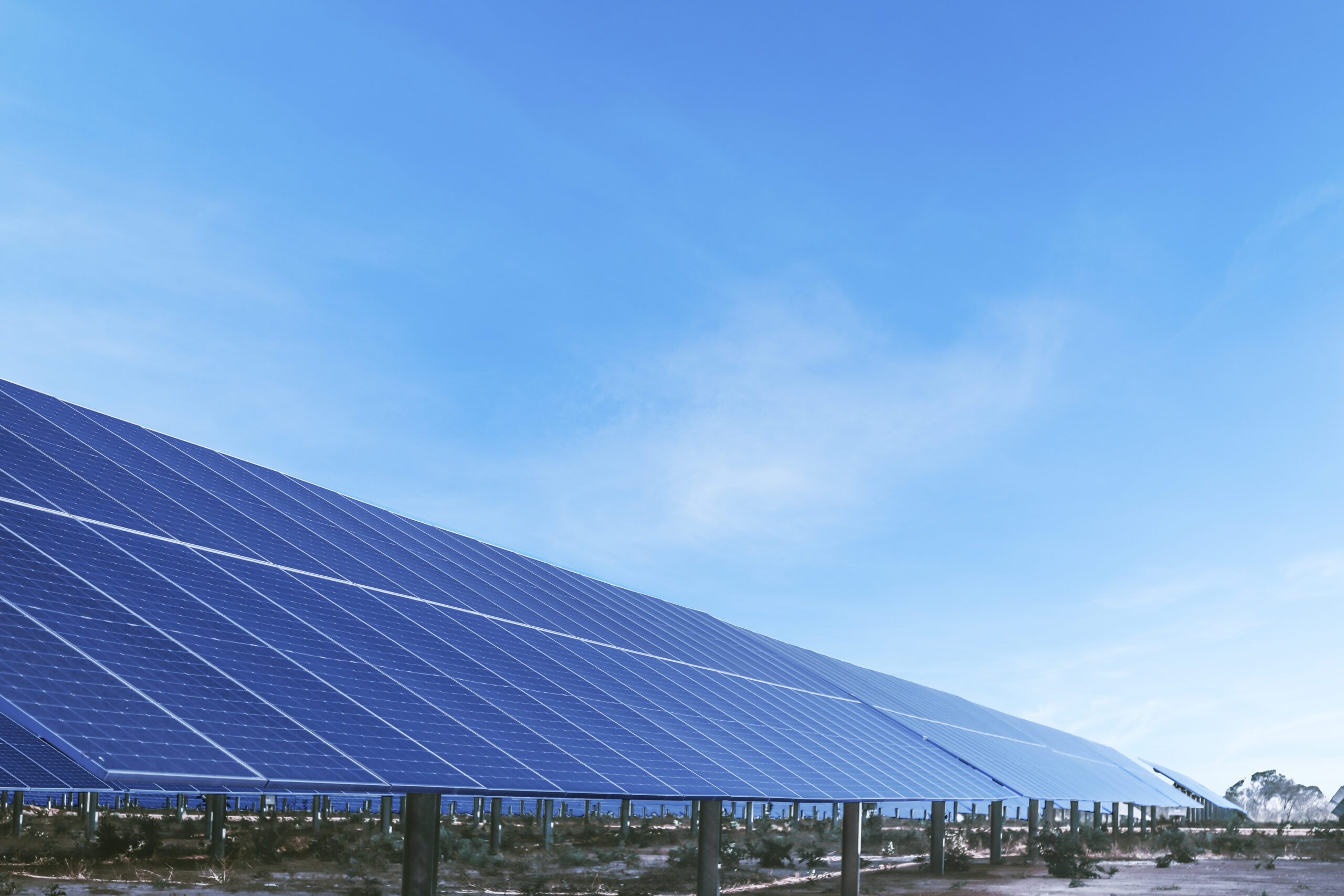
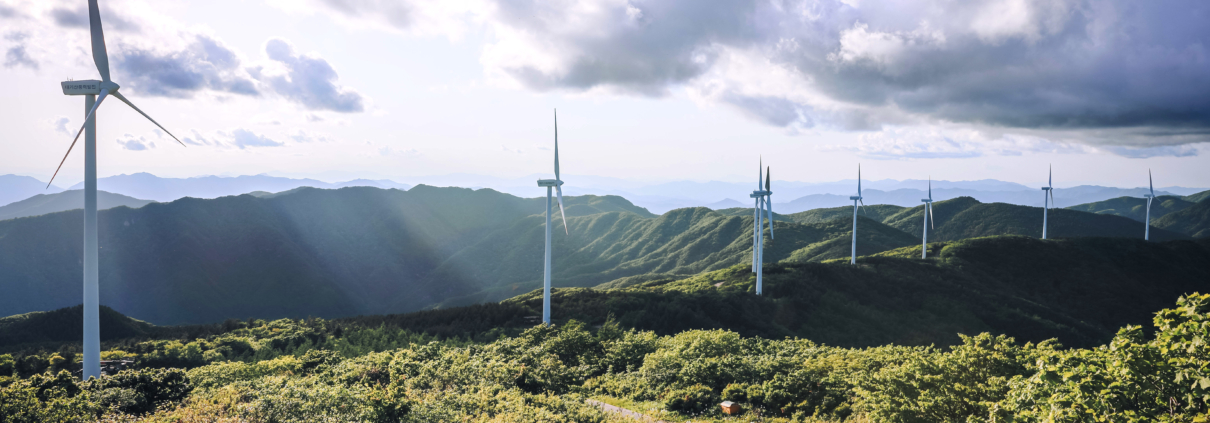
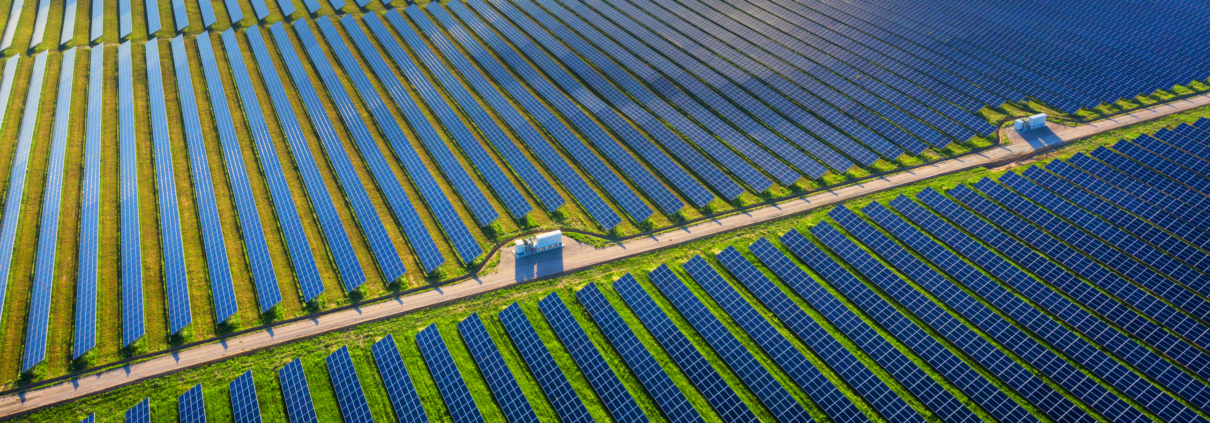
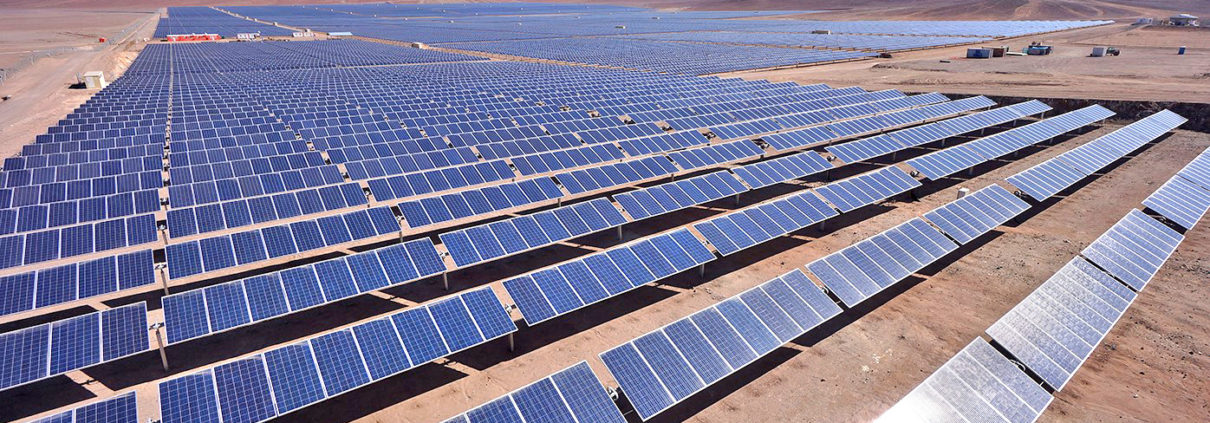
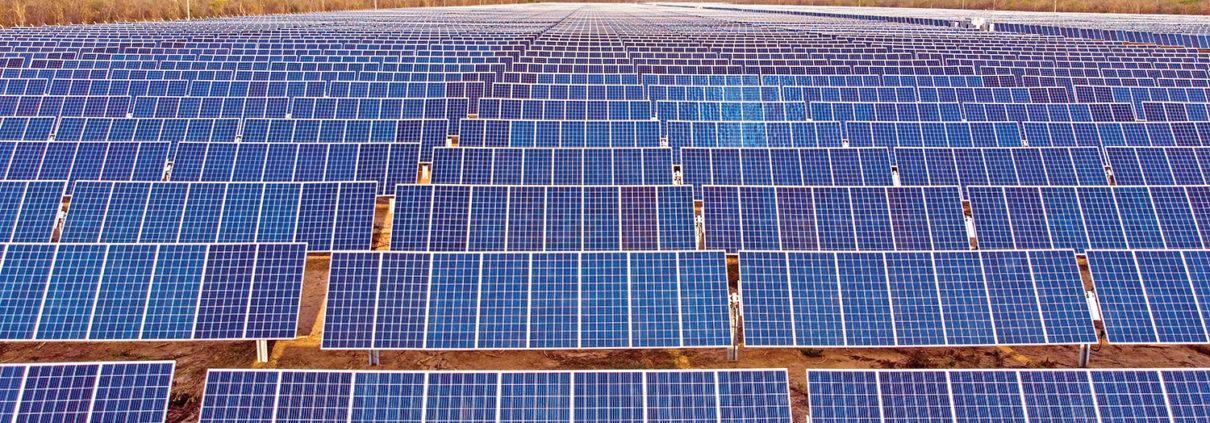
The increasing adoption of non-conventional renewable sources, such as solar and wind, has improved supply stability in the region, providing companies with a robust operational foundation.
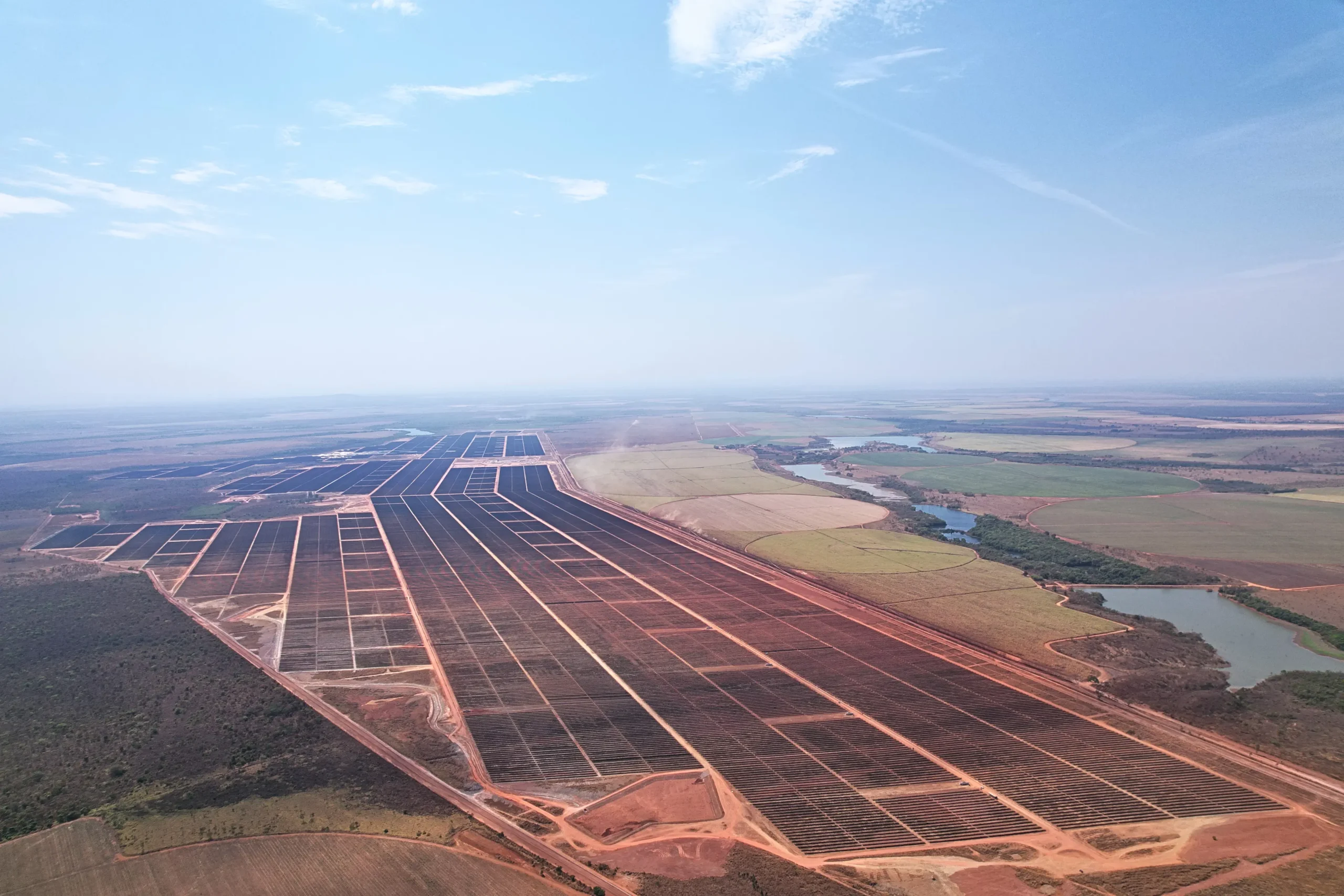
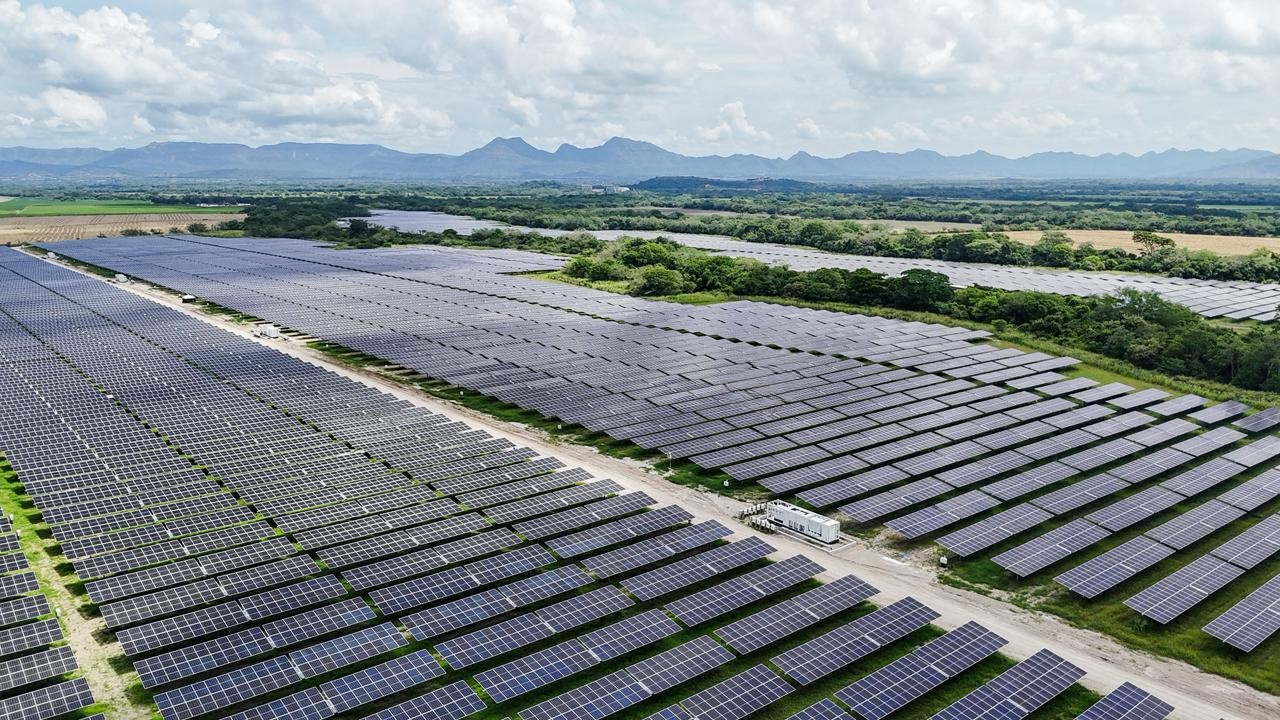
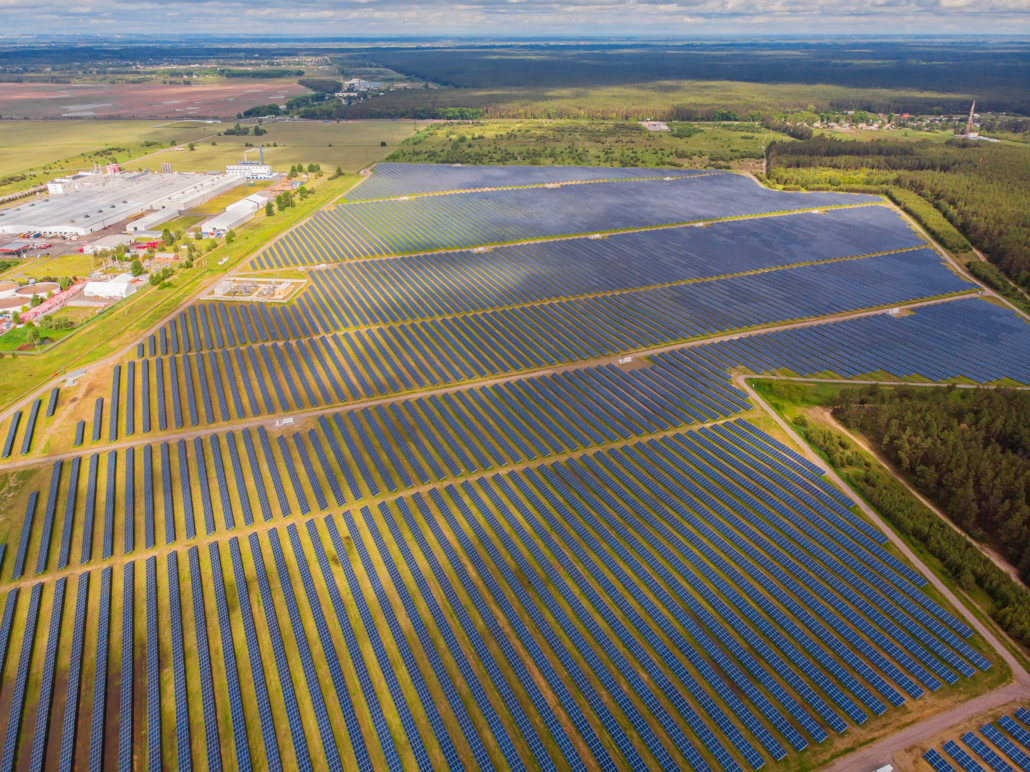
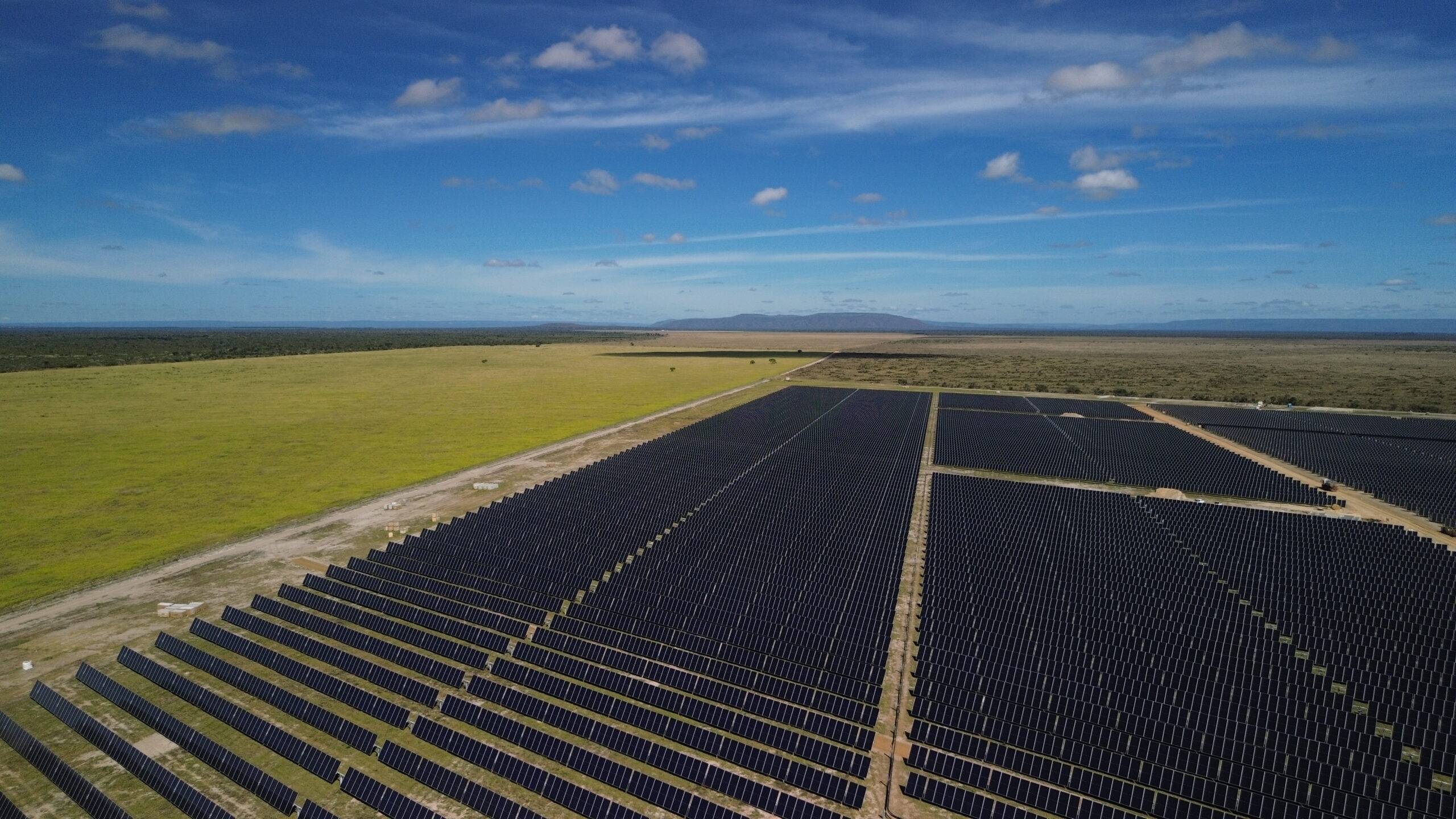
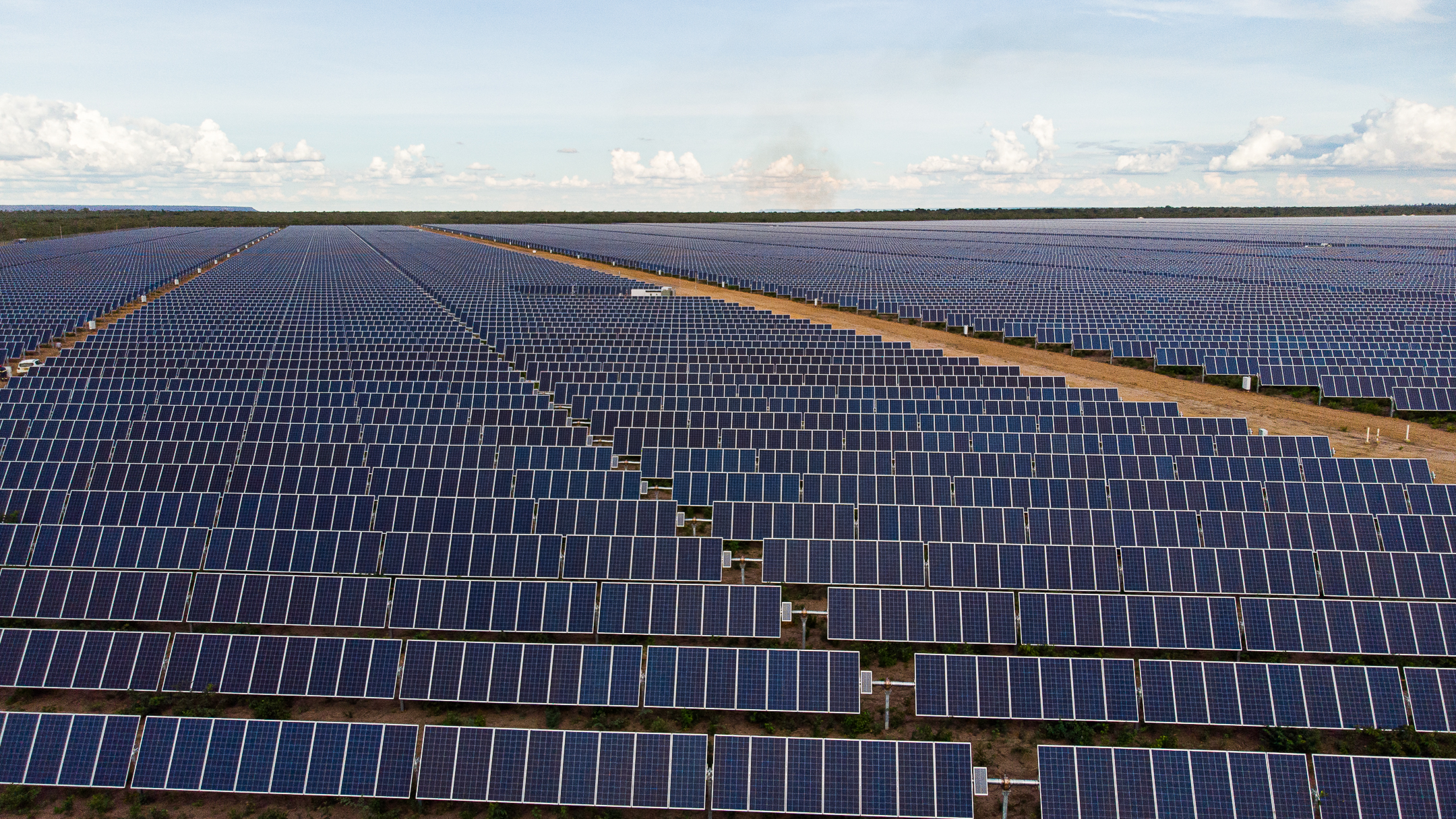
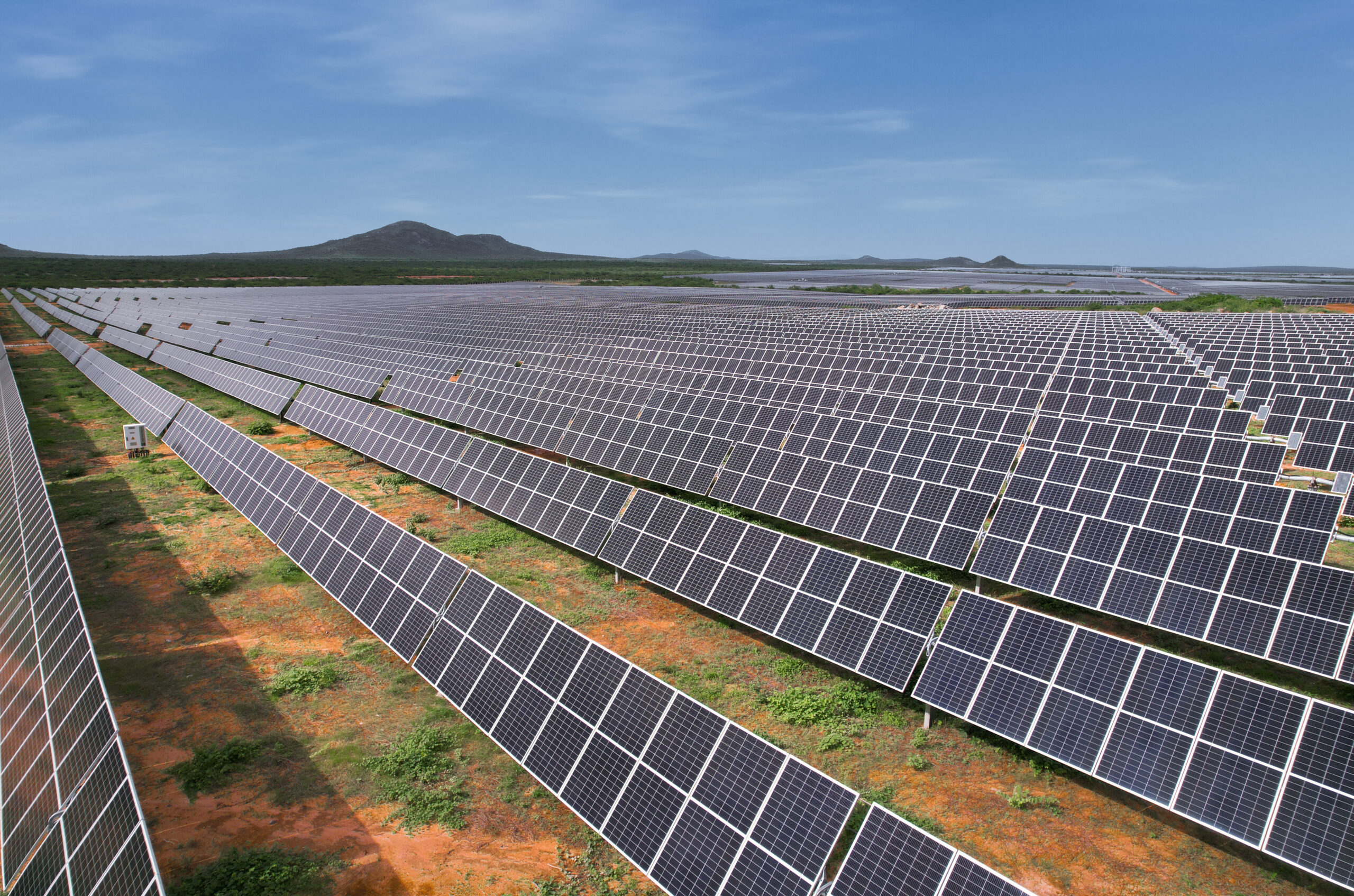
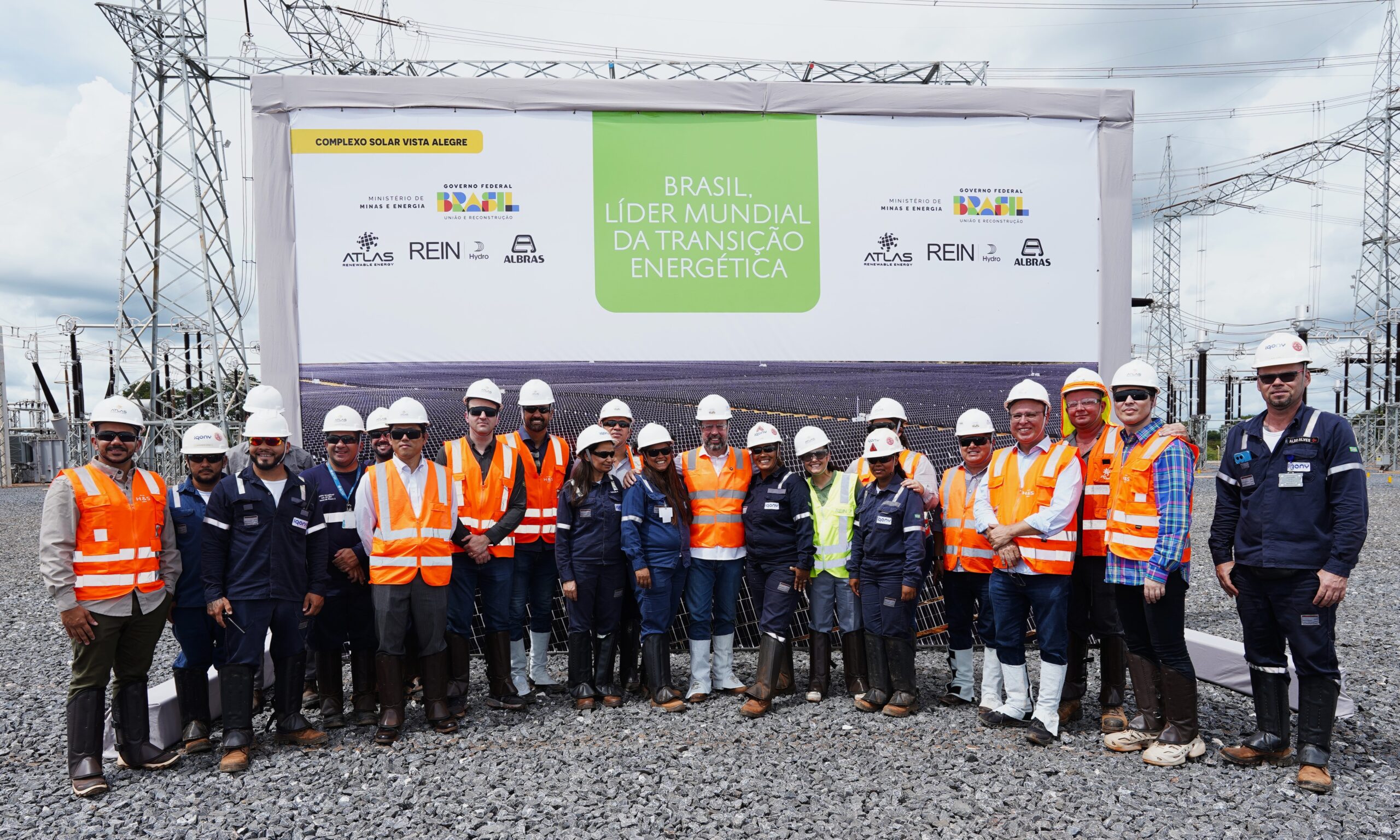
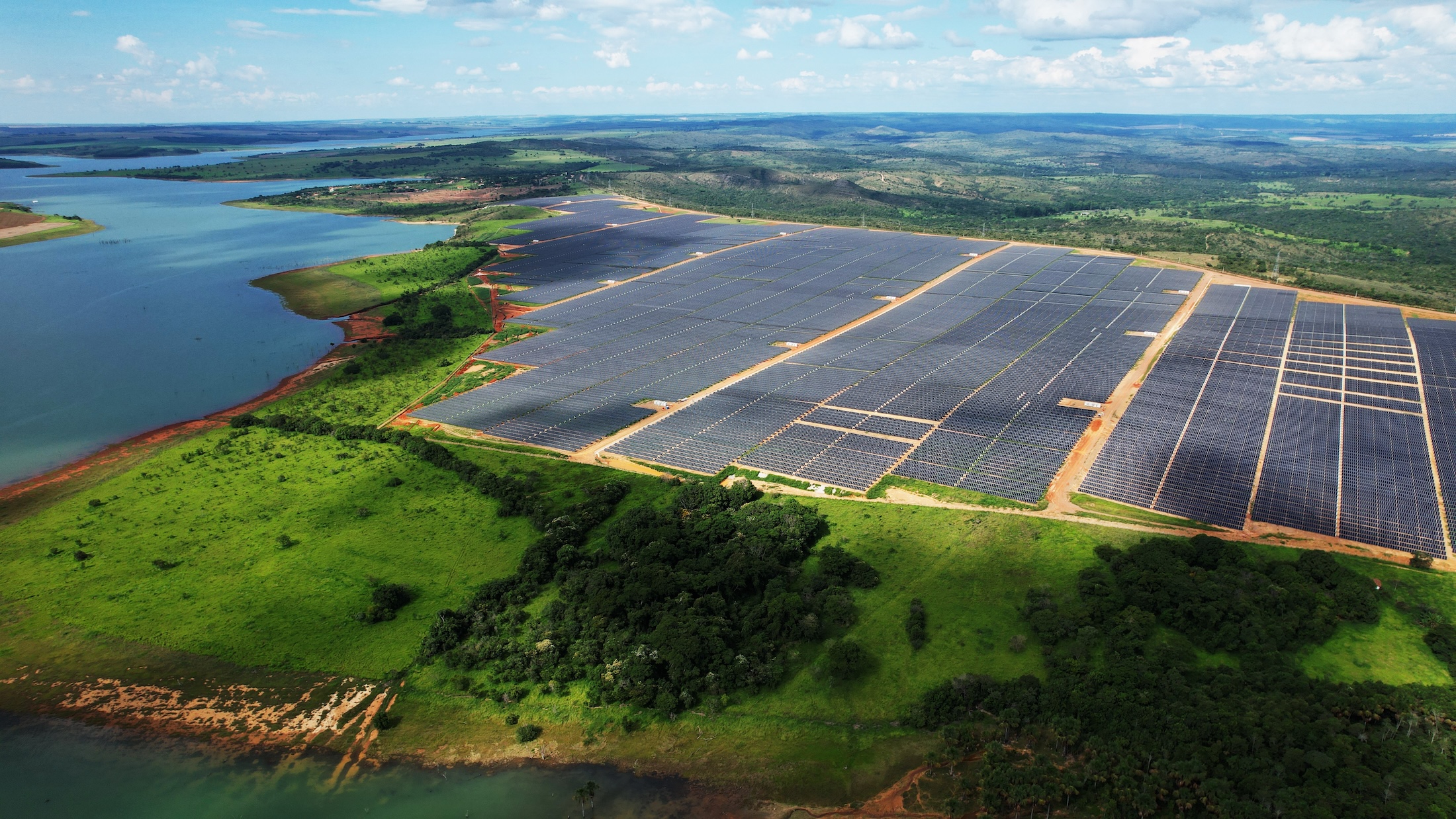
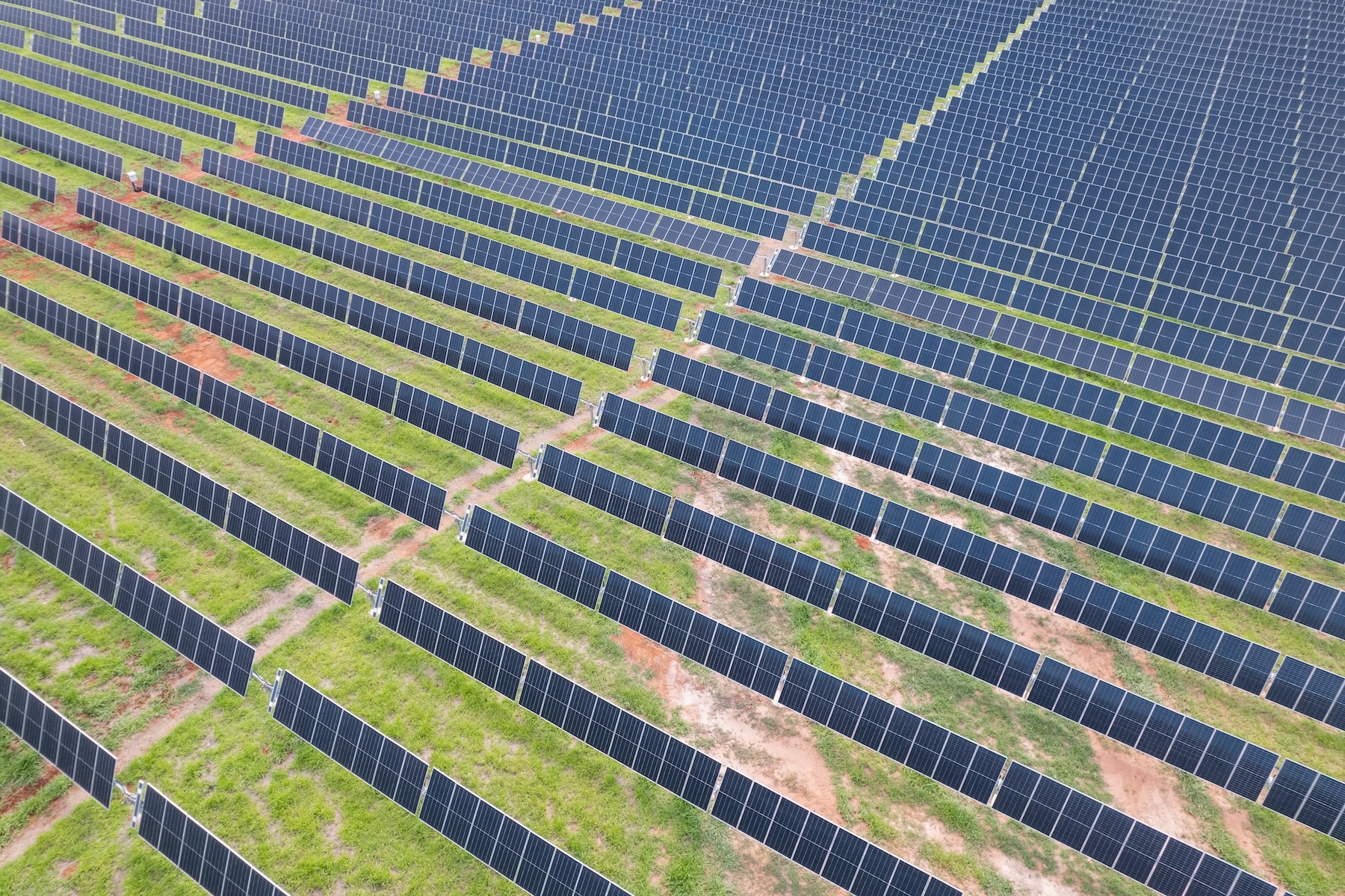
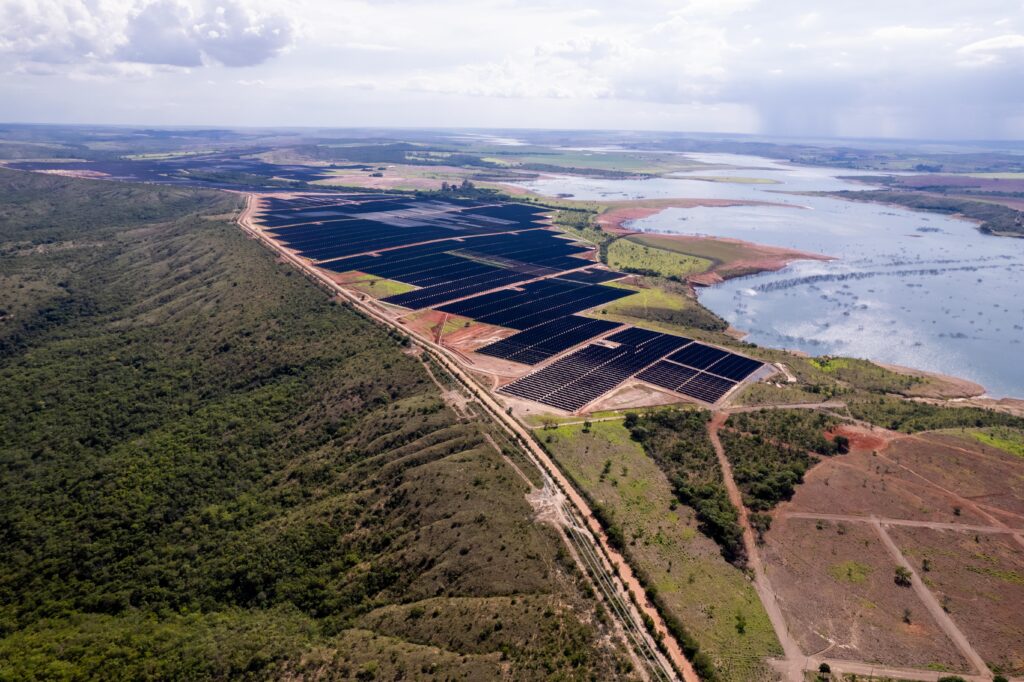
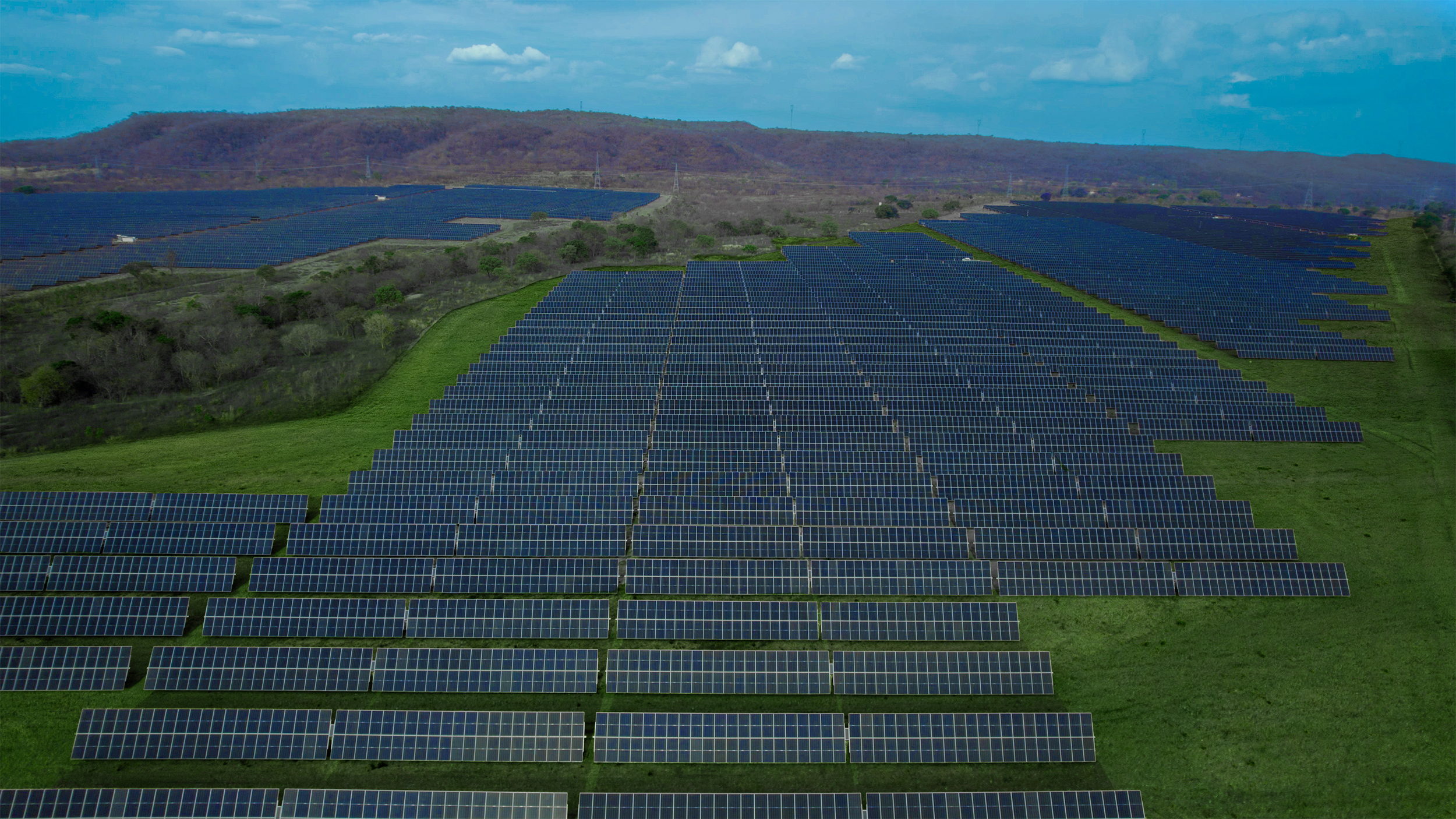
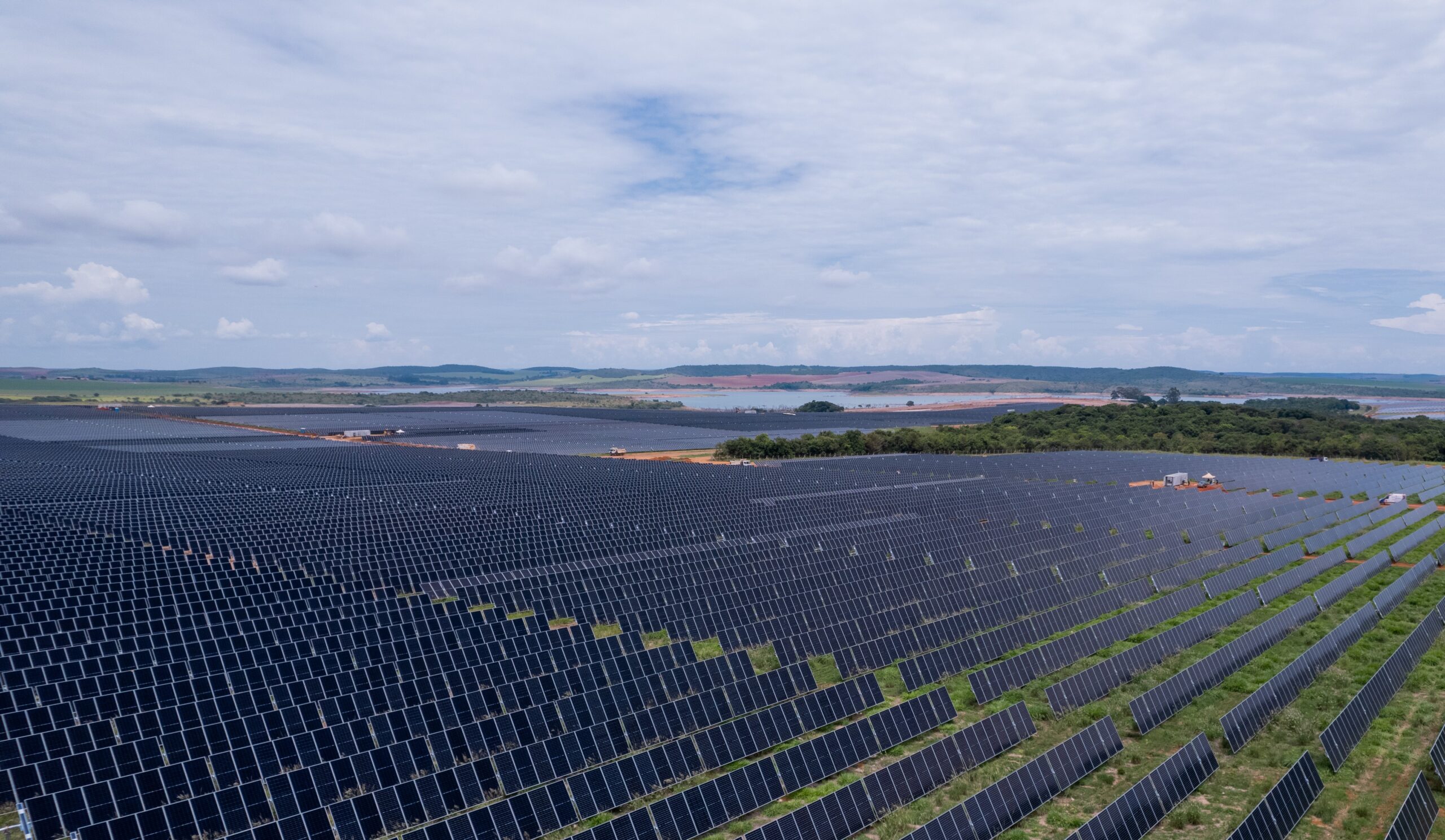
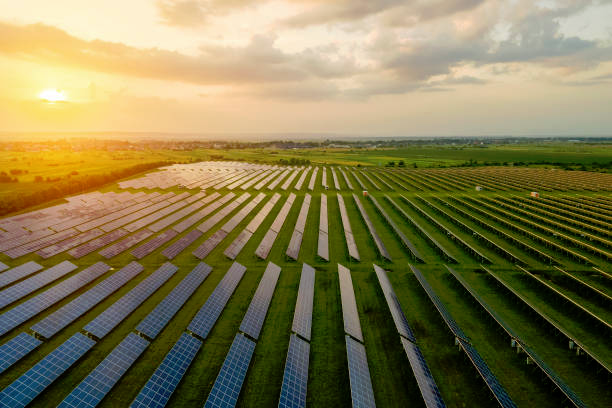
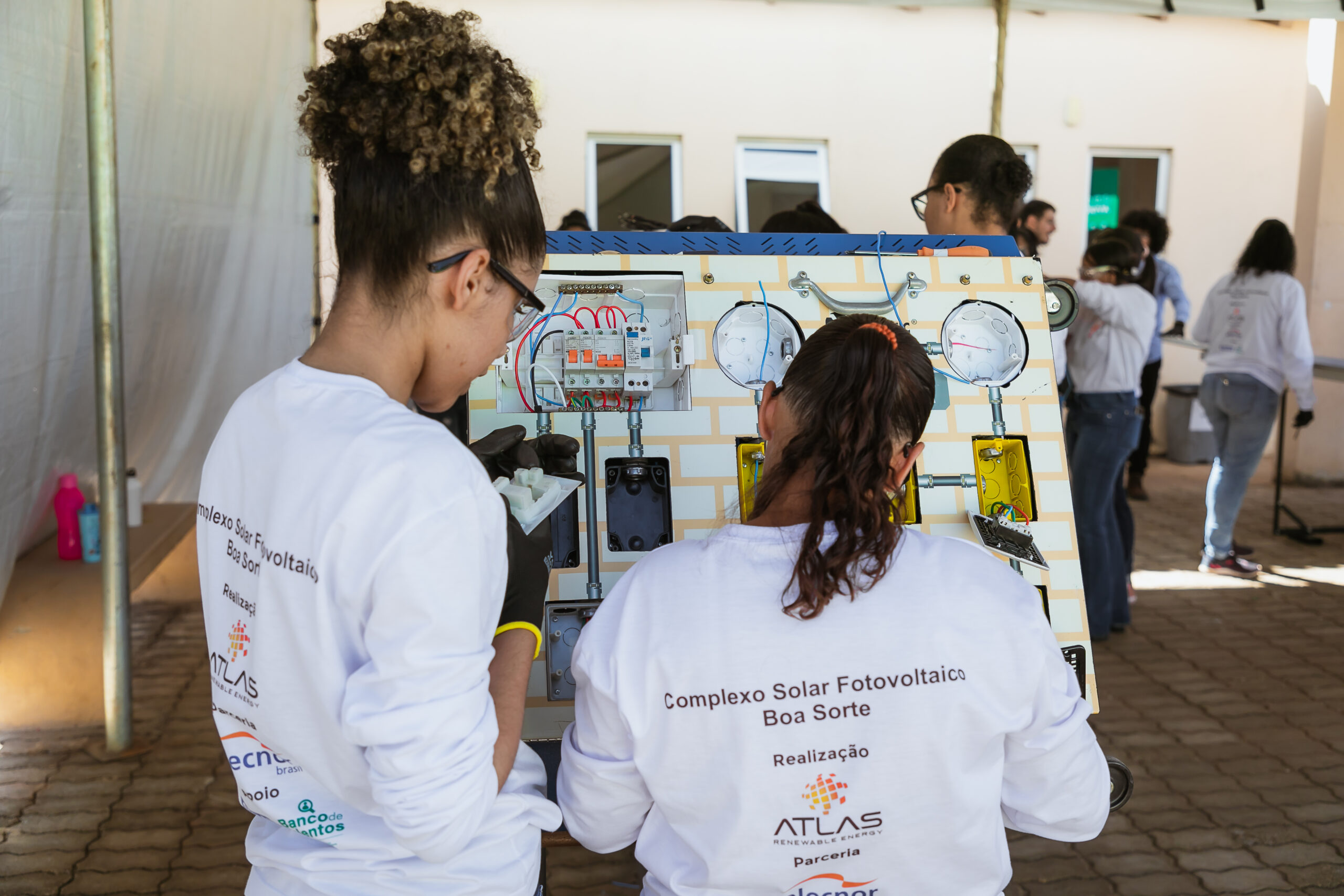
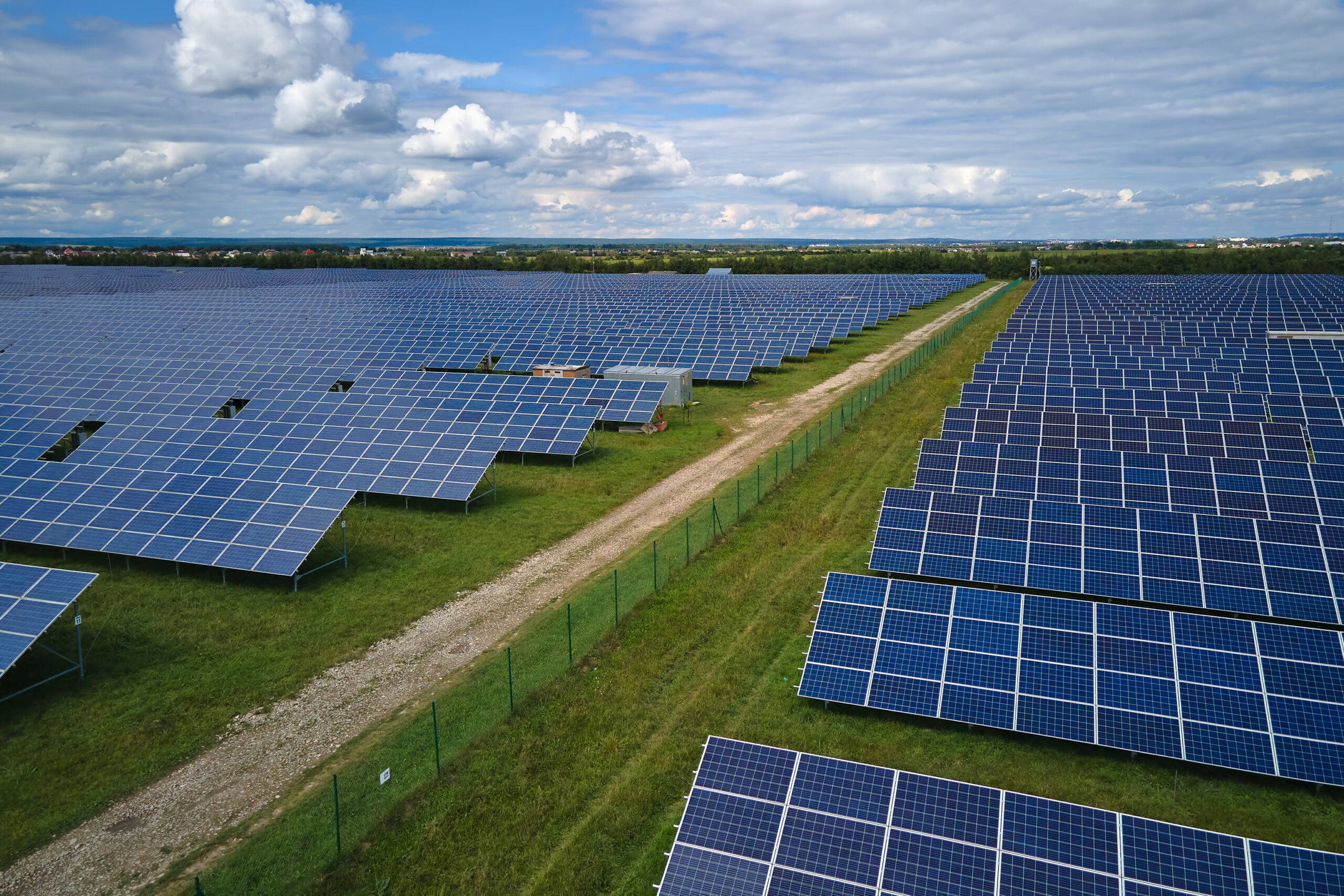
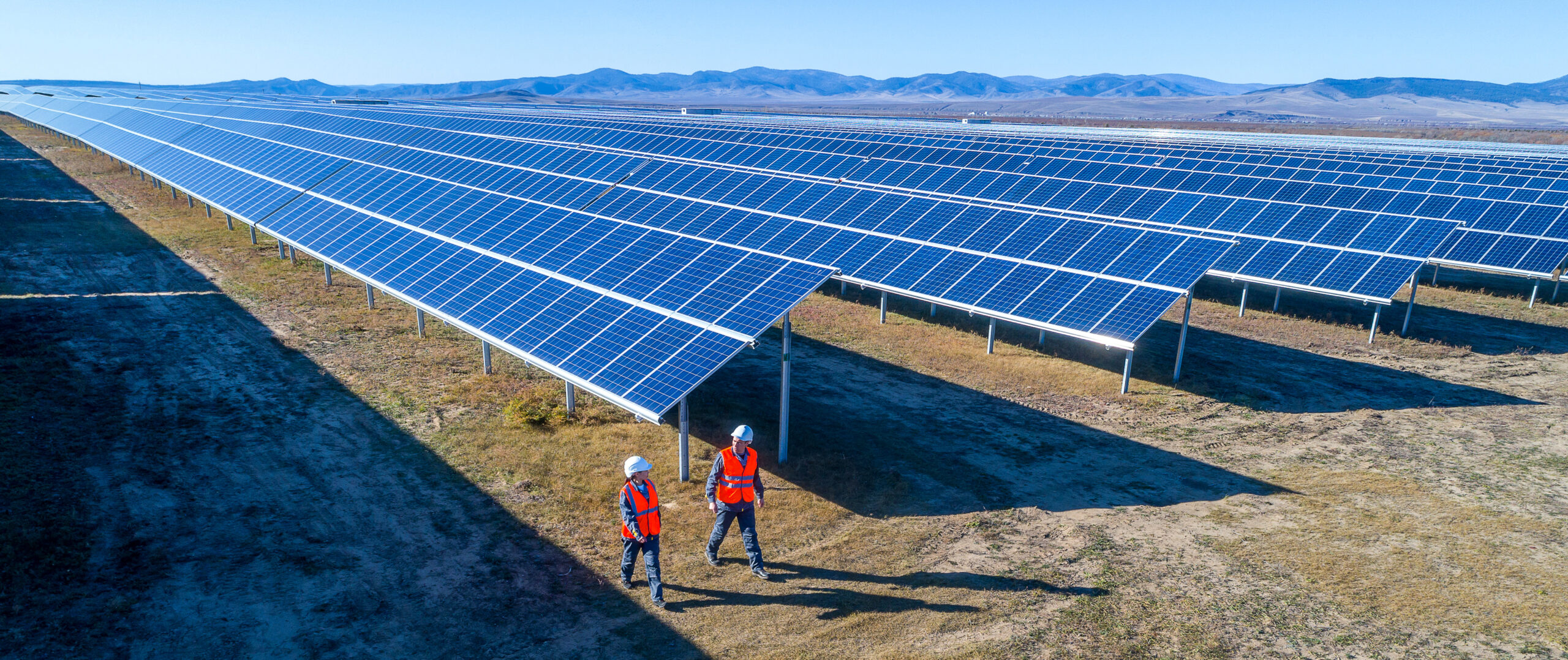
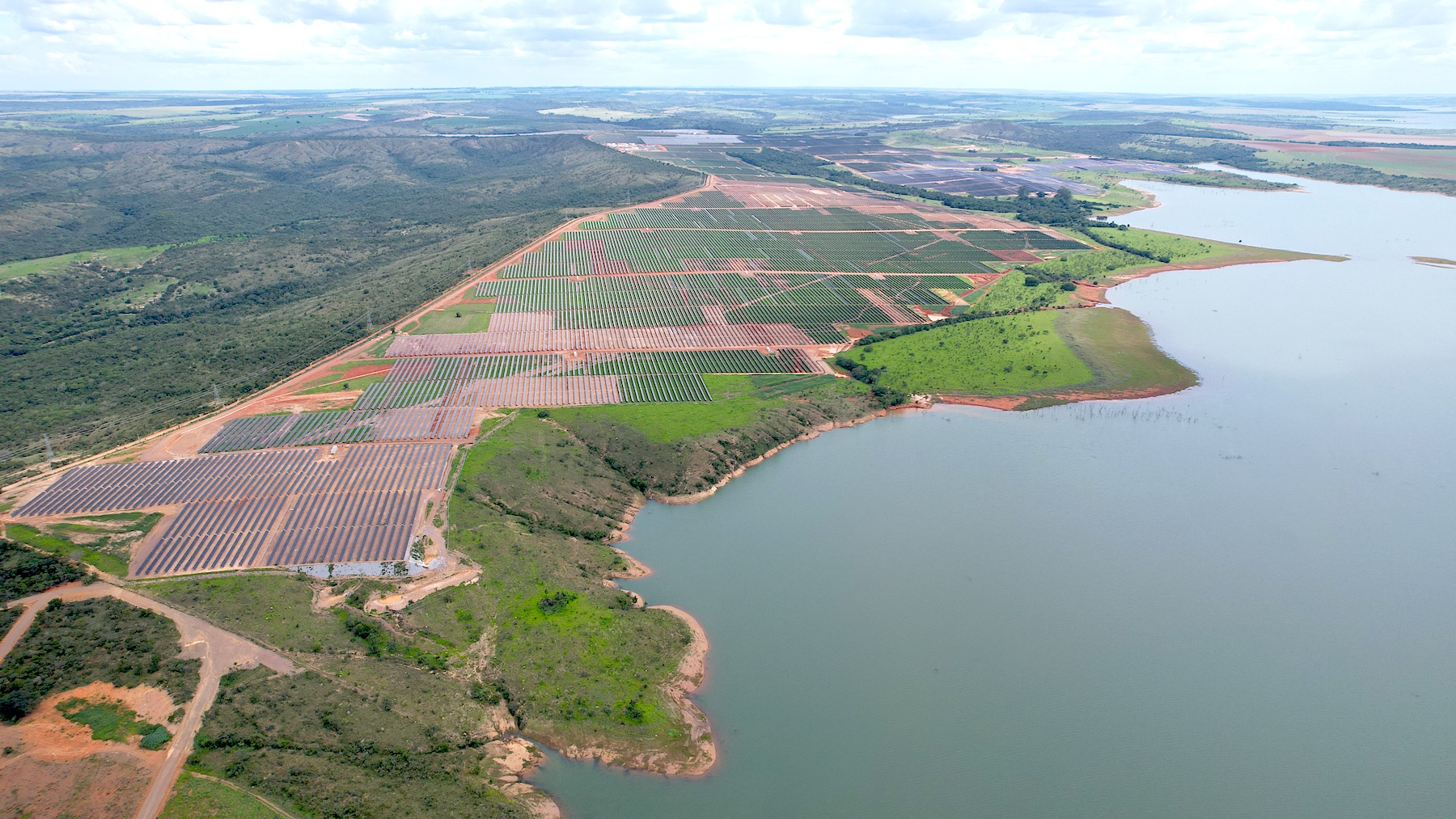
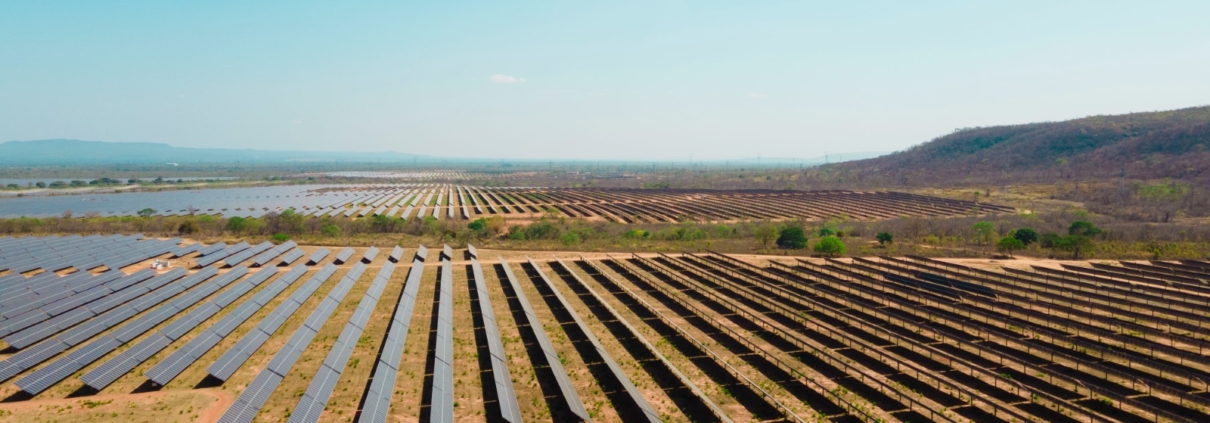
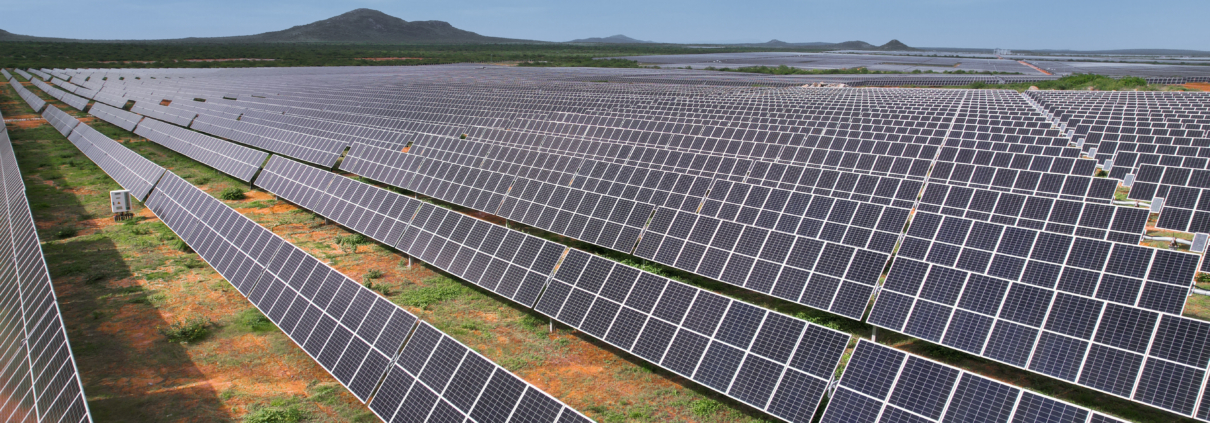
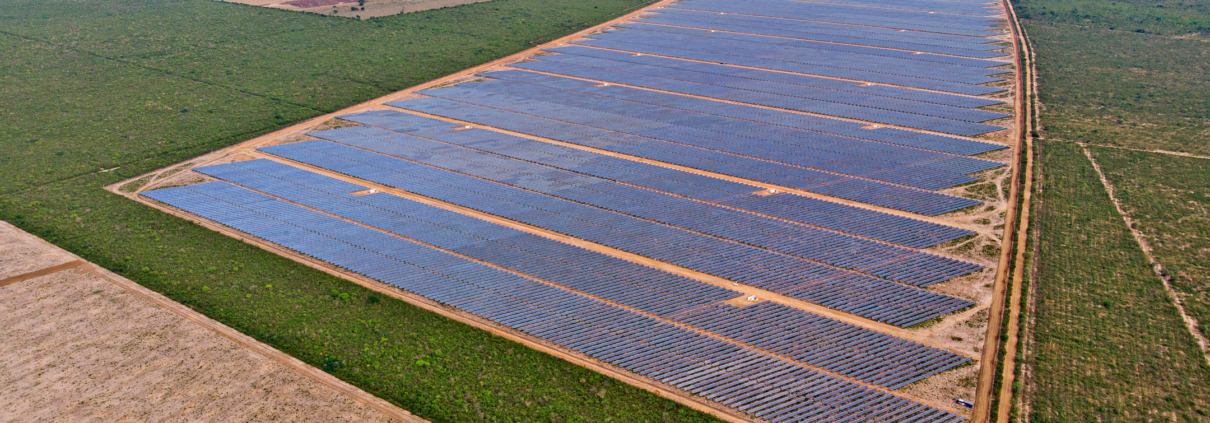
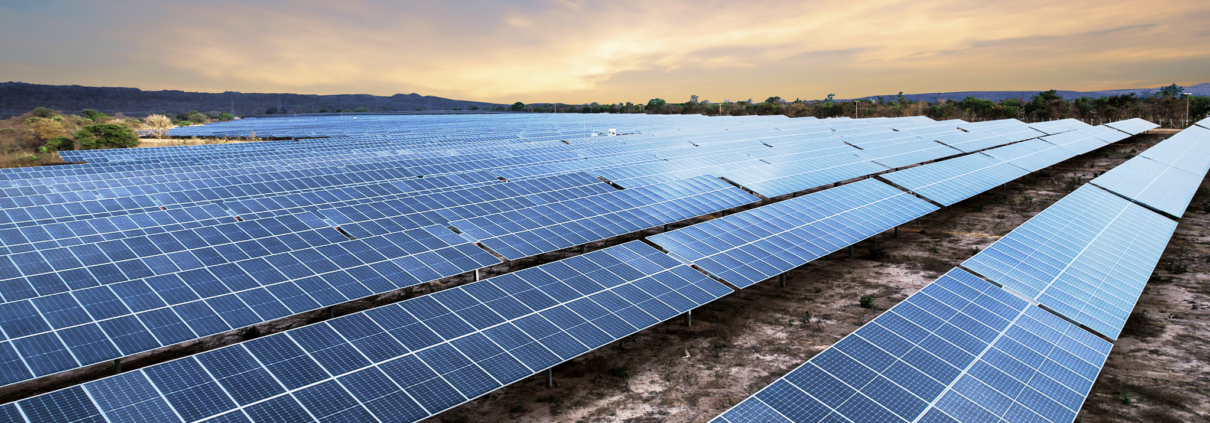
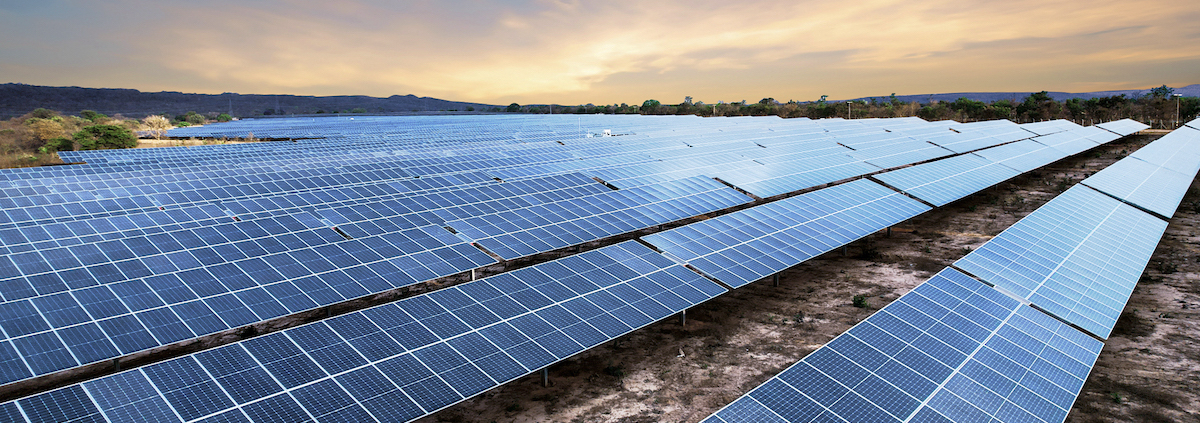
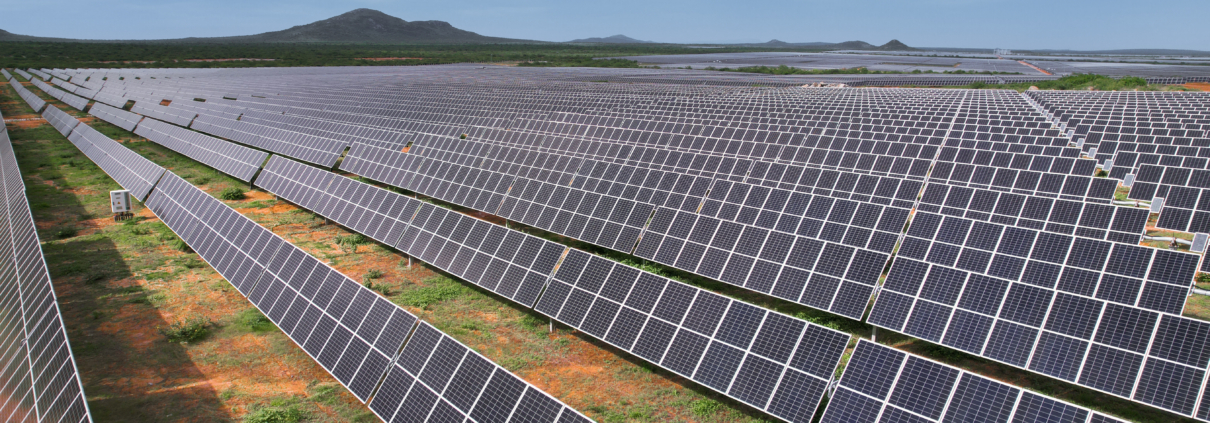
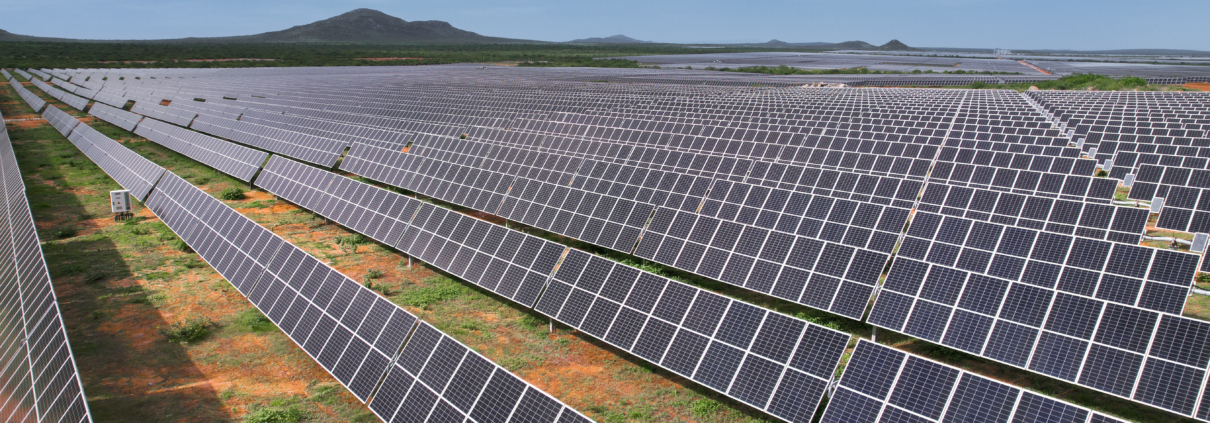
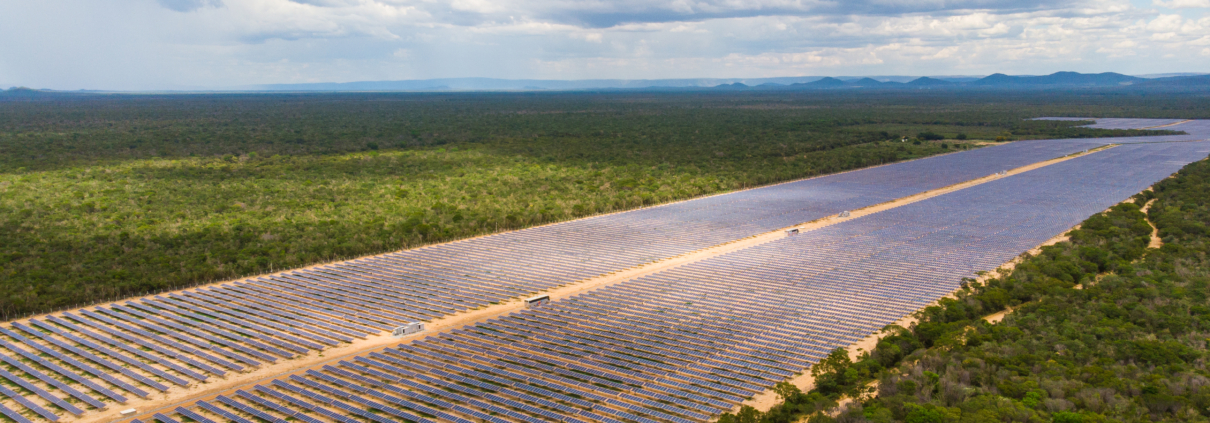
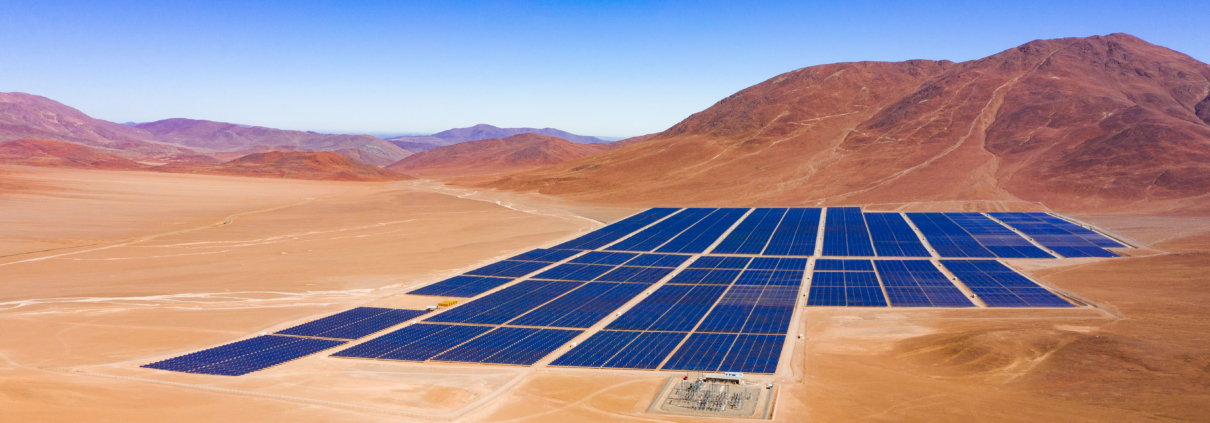
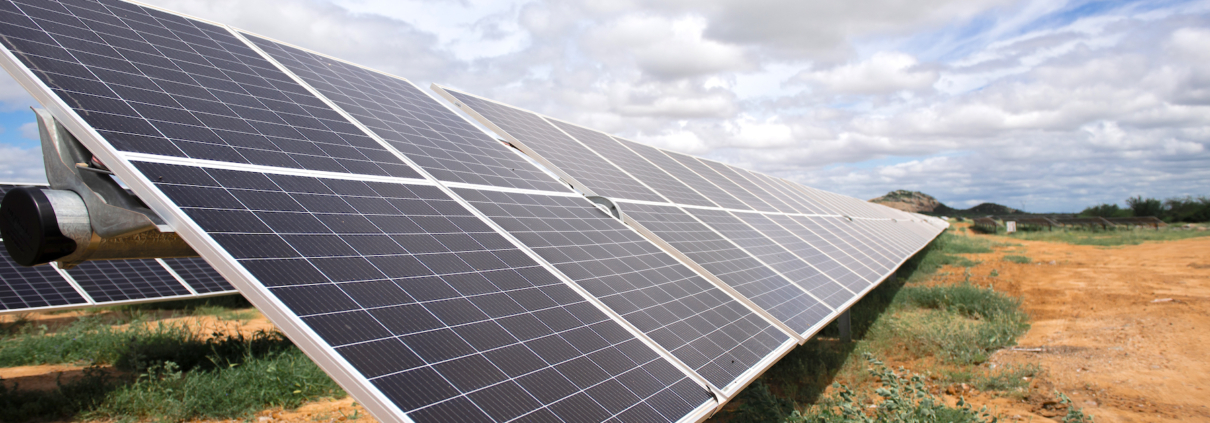
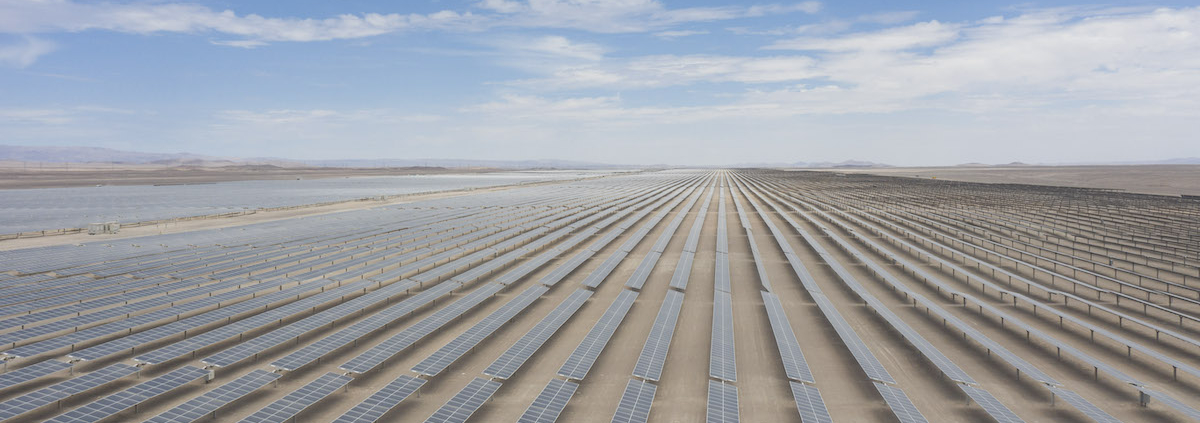
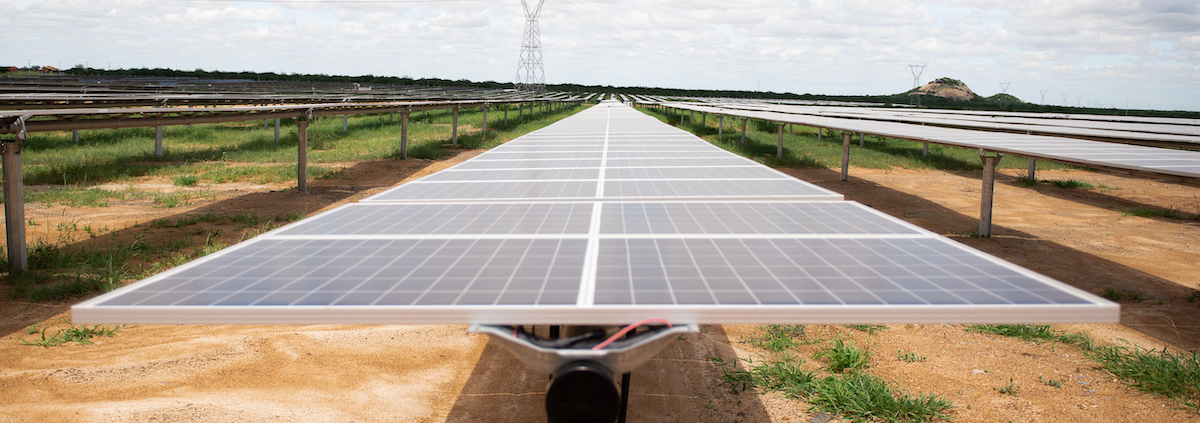
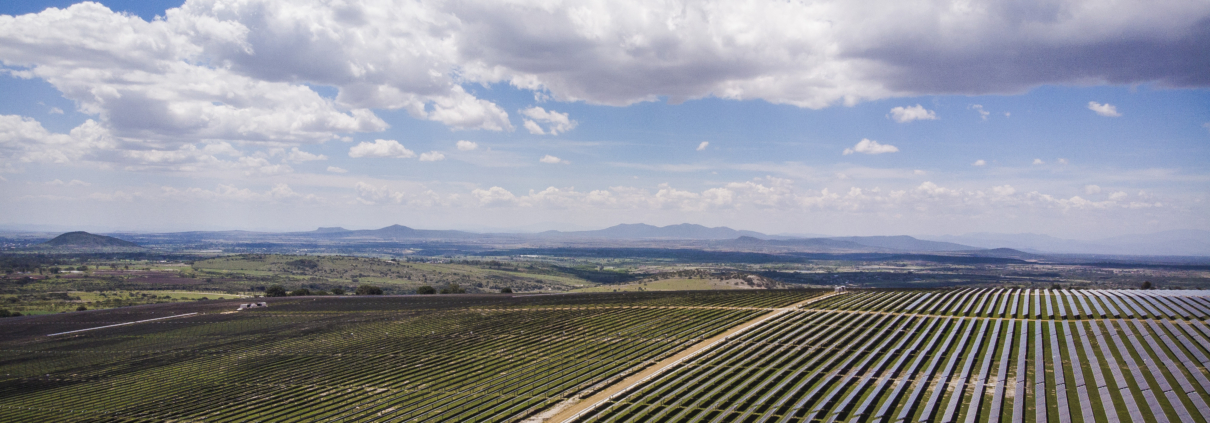
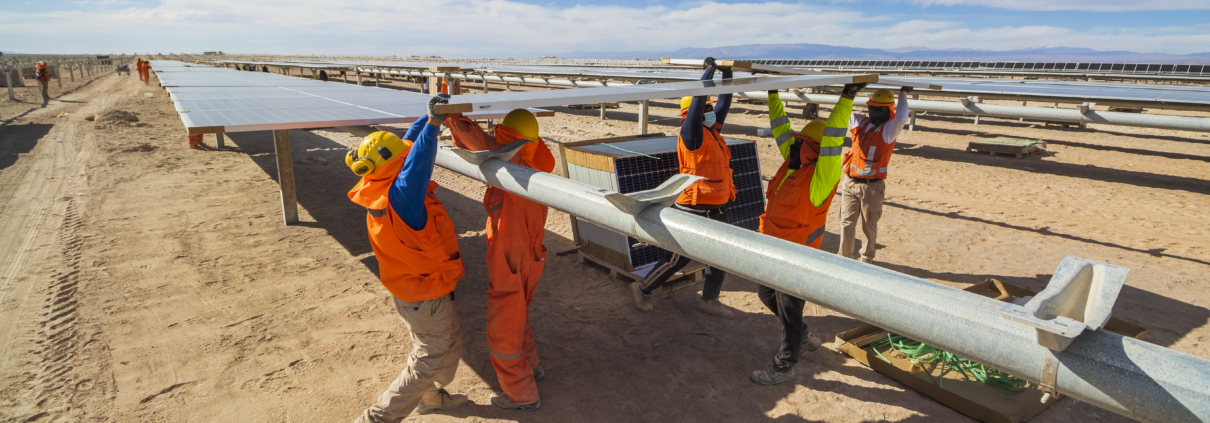
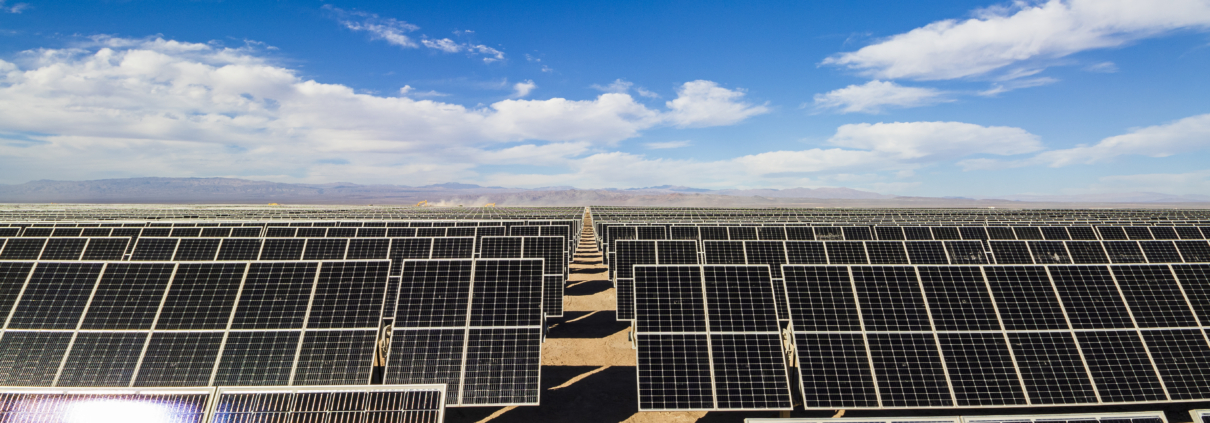
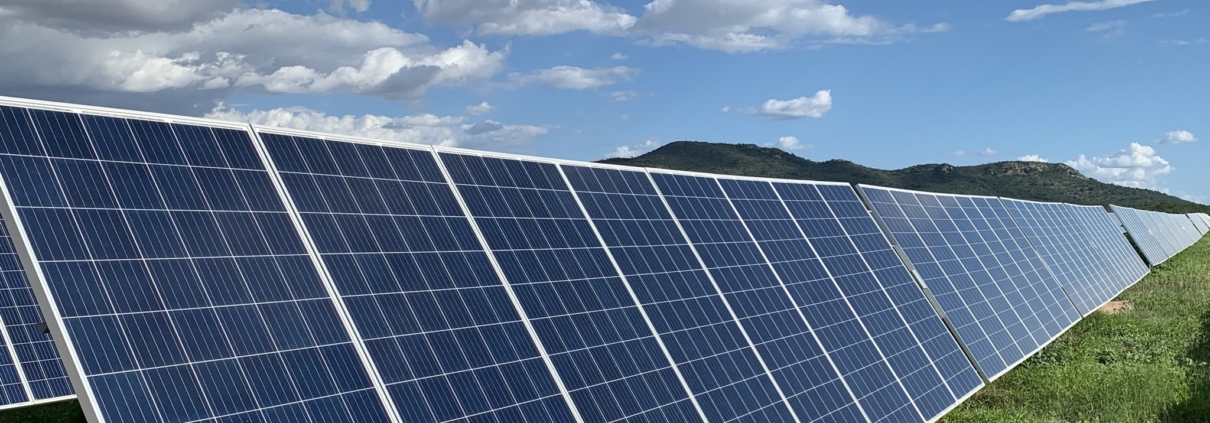
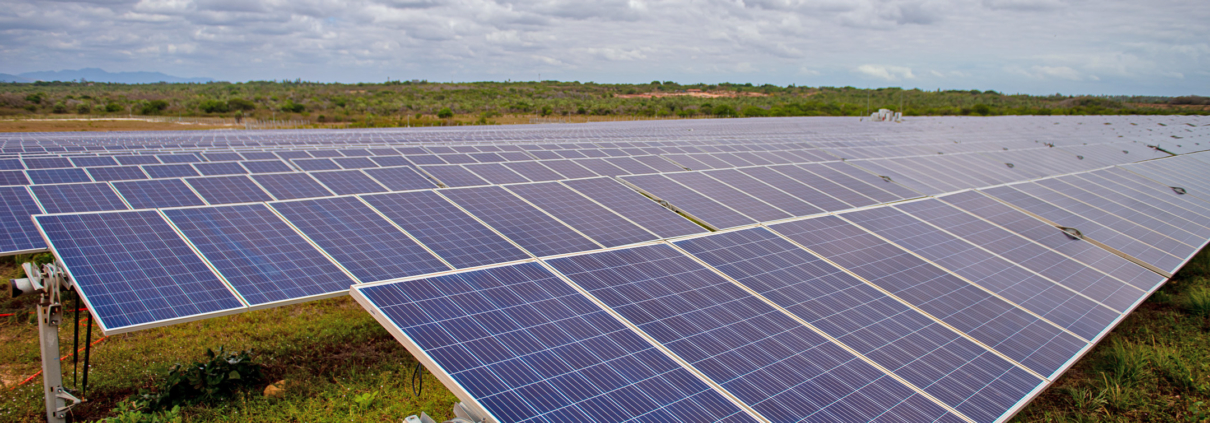
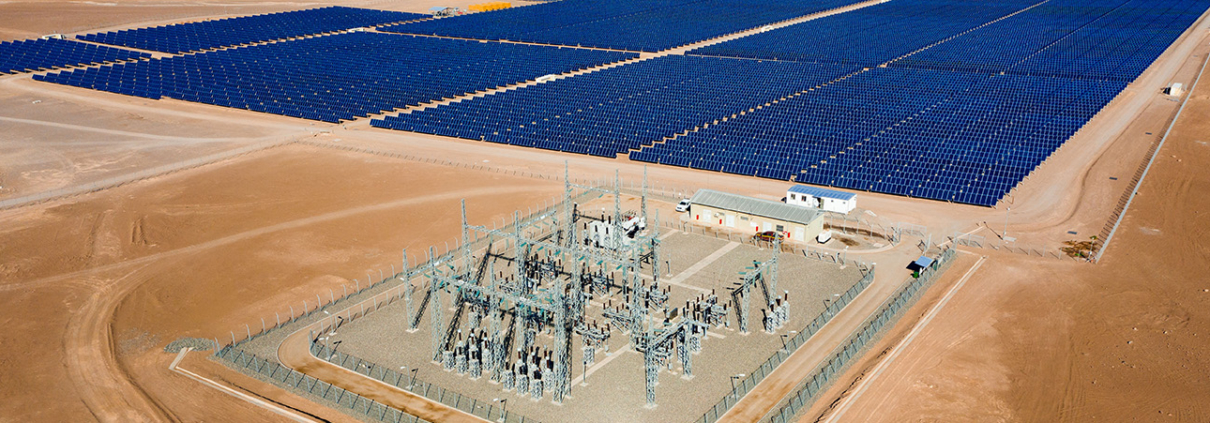
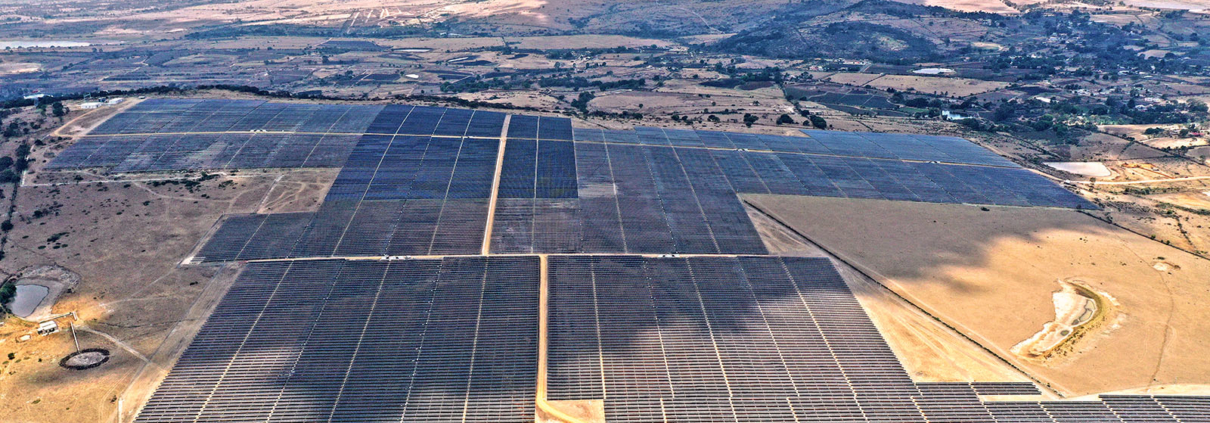
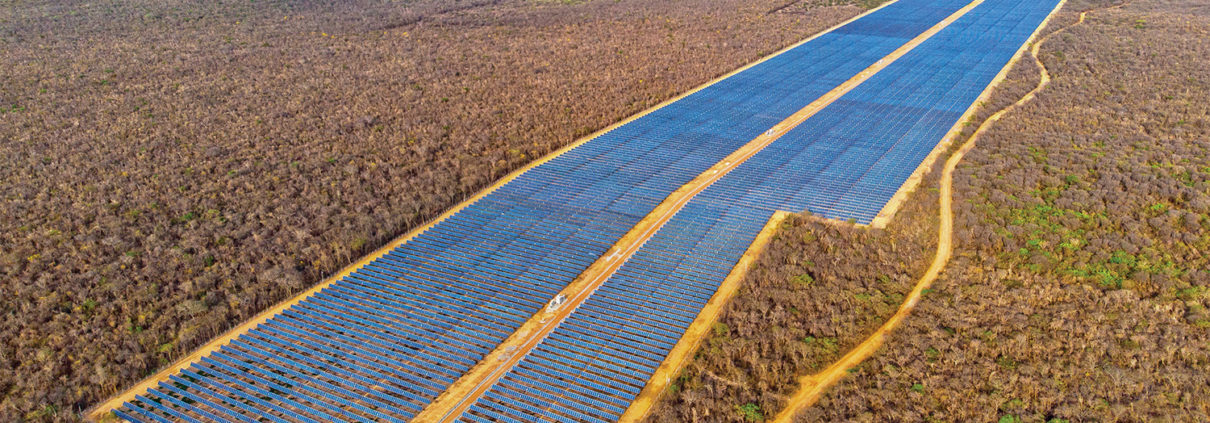
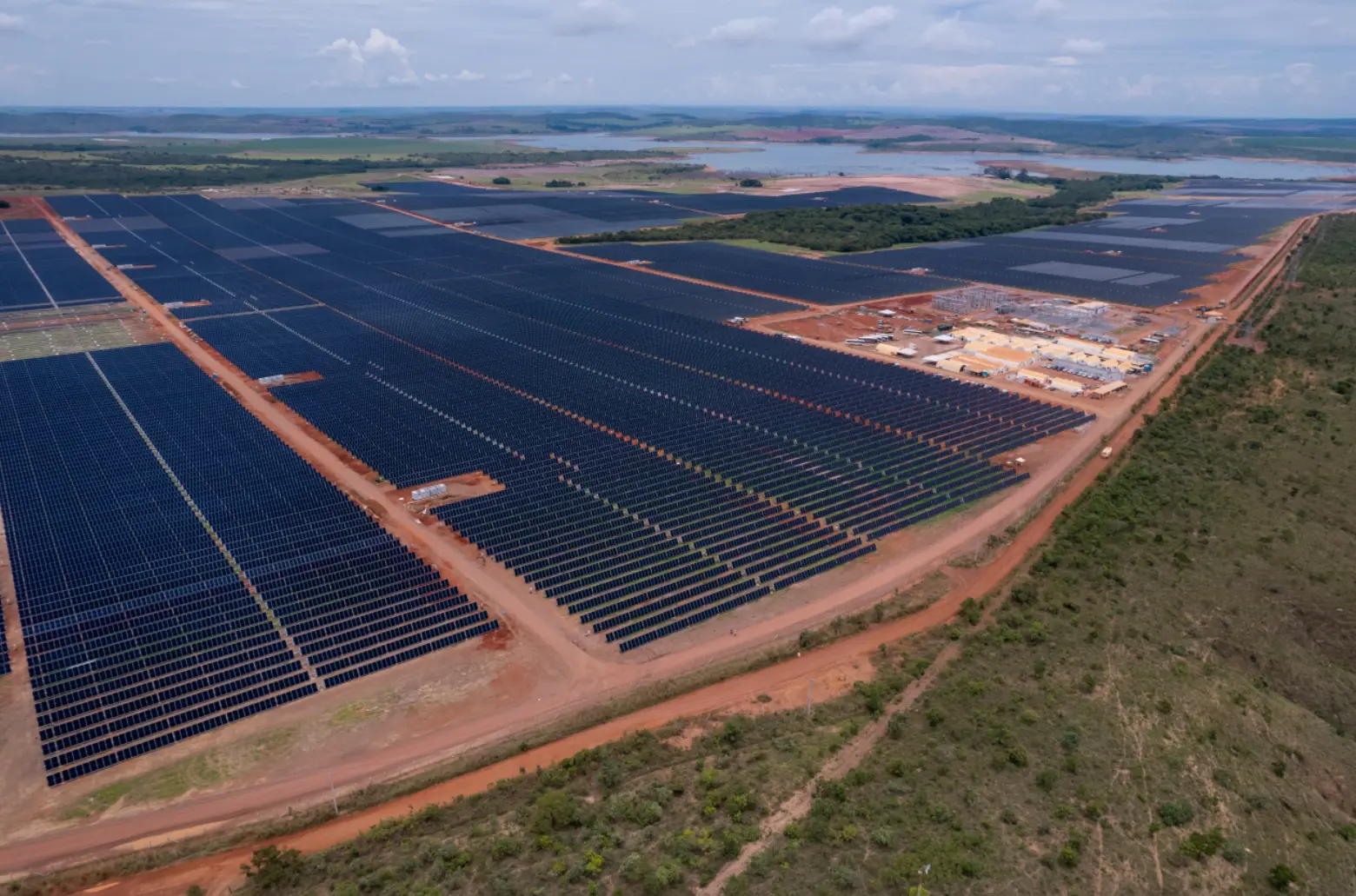
A notable case is Atlas Renewable Energy’s Boa Sorte solar project in Brazil. Located in Minas Gerais, the 438 MW complex delivers renewable energy to Albras, Brazil’s largest primary aluminum producer.
Through a 20-year PPA, the project provides approximately 12% of Albras’s annual energy consumption, equivalent to 815 GWh per year. It is also projected to avoid more than 61,000 tons of CO₂ emissions annually.
Similarly, in Mexico, nearshoring has intensified energy demand, prompting industries such as manufacturing, technology, and mining to proactively plan their supply requirements.
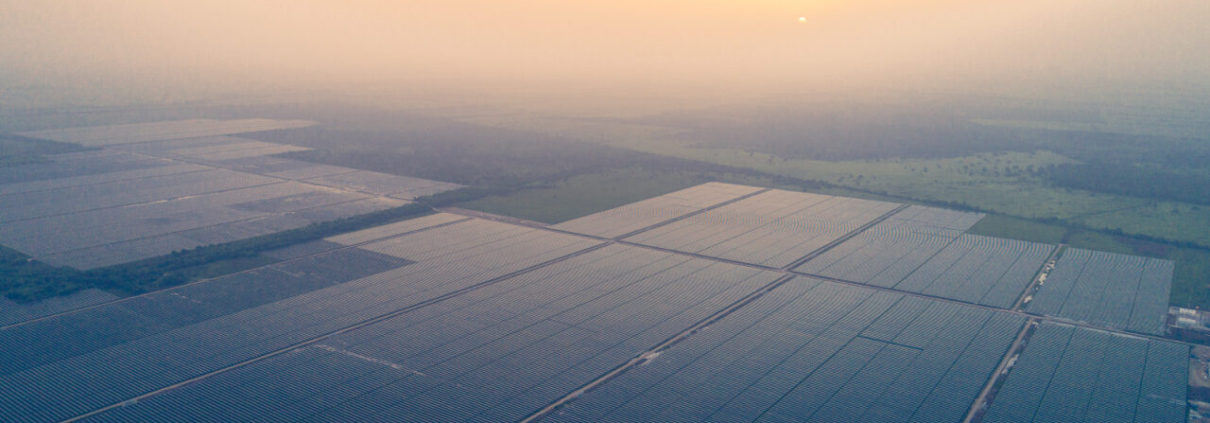
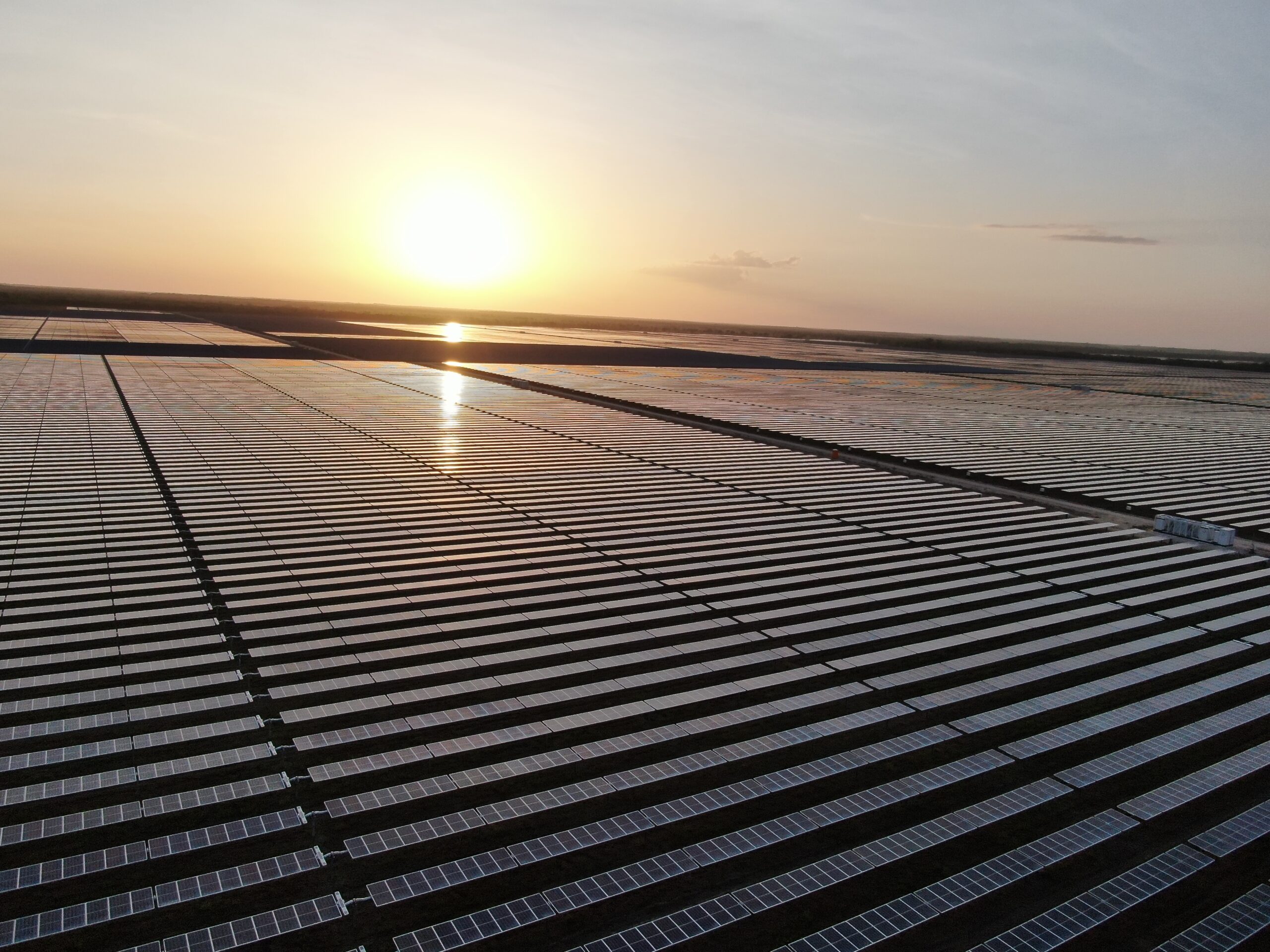
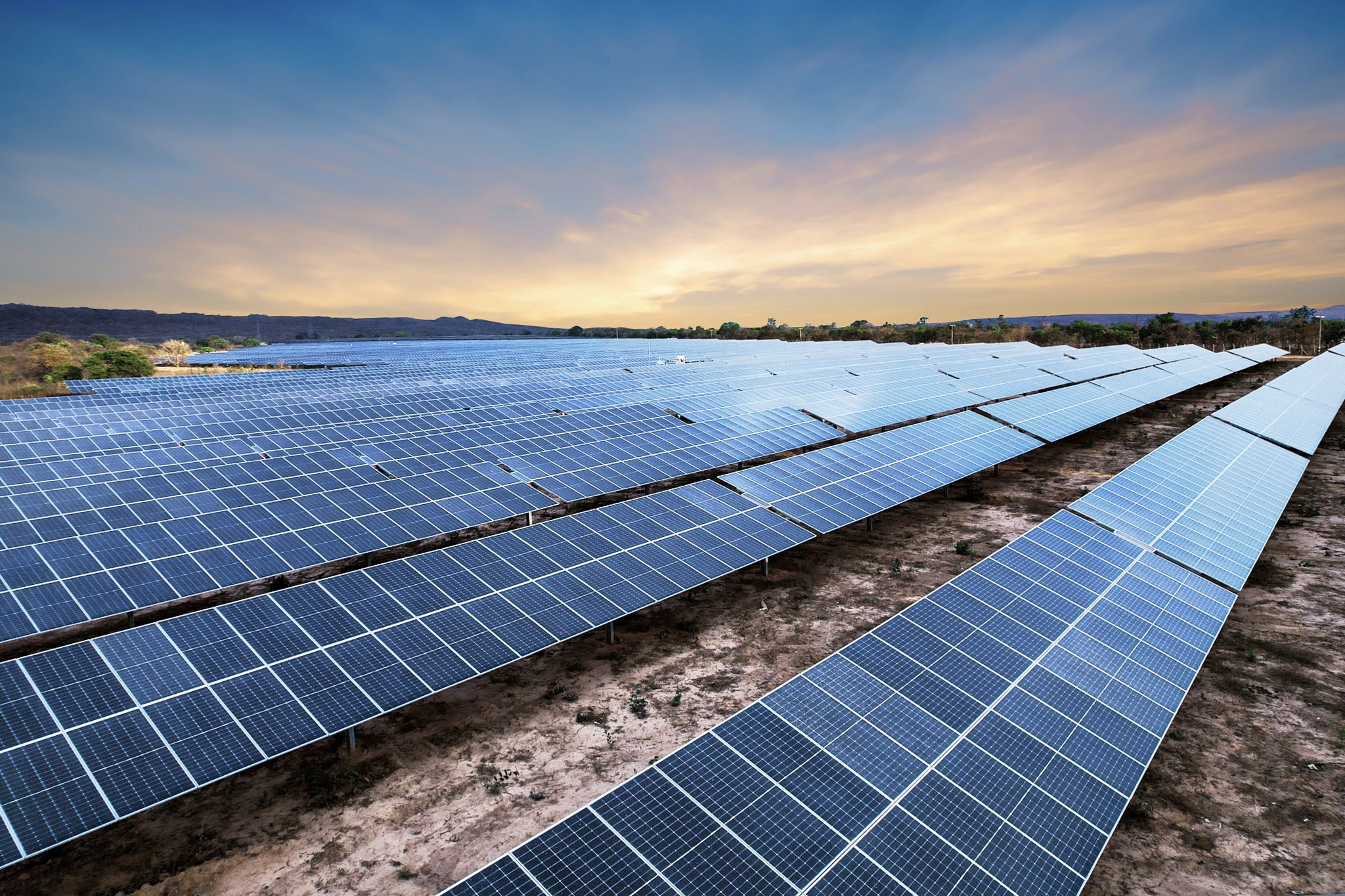
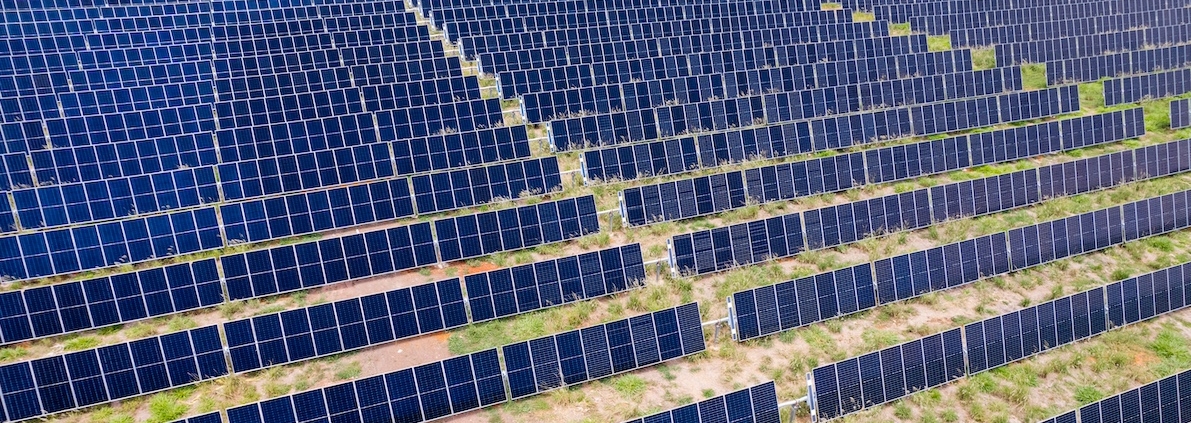
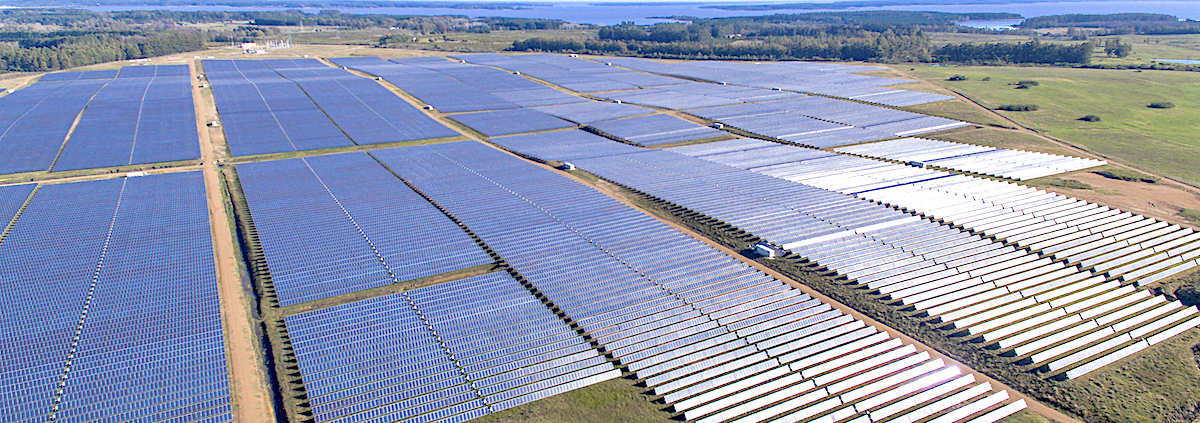
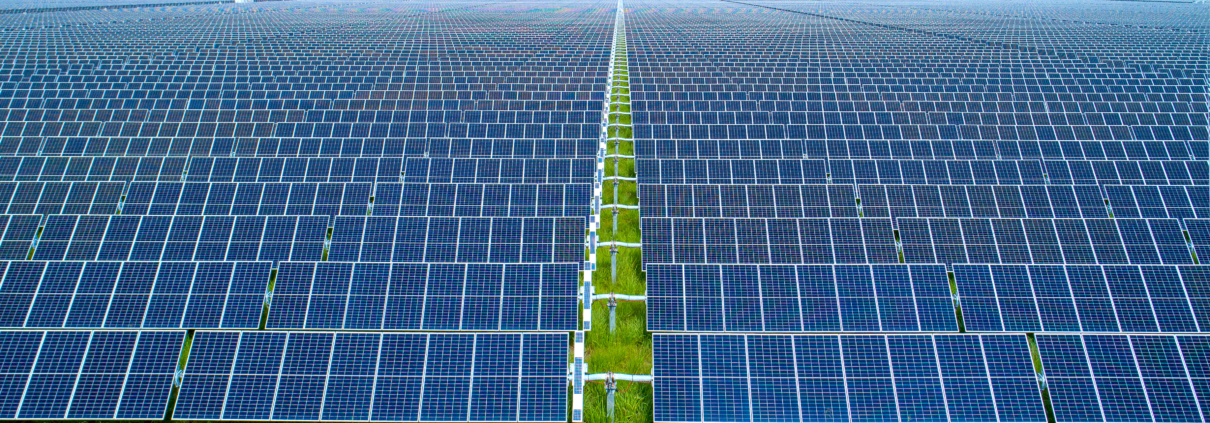
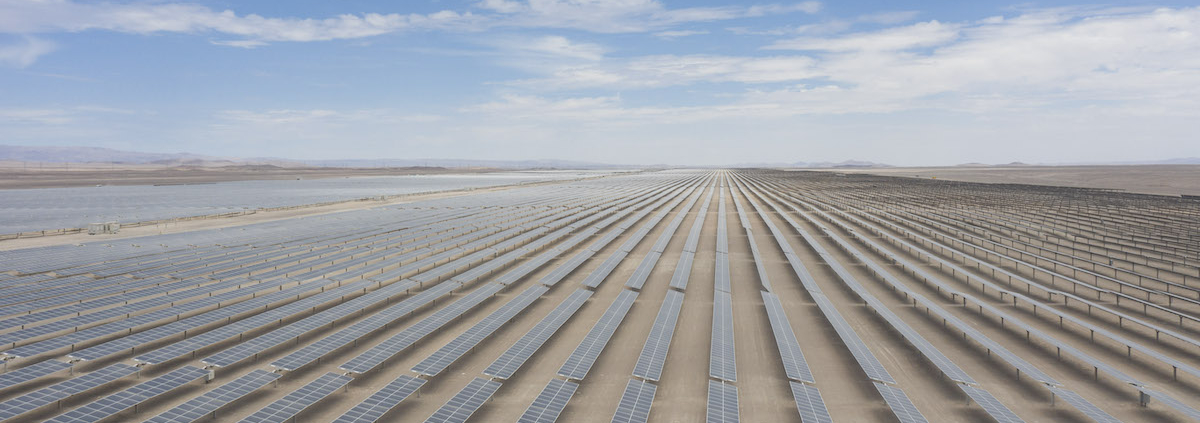
In this context, Atlas’s La Pimienta solar project in Campeche emerges as a strategic solution. With a capacity of 445 MW, it is the second-largest solar installation in the country and supplies clean power to the Federal Electricity Commission (CFE) under a 15-year contract.
This agreement strengthens the energy supply in the Yucatán Peninsula, contributing to price stability.
These cases demonstrate how integrating renewable energy solutions, paired with strategic market analysis and robust partnerships, enables companies to secure more reliable and sustainable supplies. This approach not only mitigates risks but also enhances competitiveness for businesses operating in Latin America’s expanding markets.
Trends Shaping Latin America
Companies planning expansion in Latin America must keep pace with the energy dynamics reshaping industrial infrastructure and operations.
Understanding these shifts allows them to adapt with agility and deploy innovative solutions in a competitive and constantly evolving environment.
– BESS as a Strategic Backup for Critical Industries
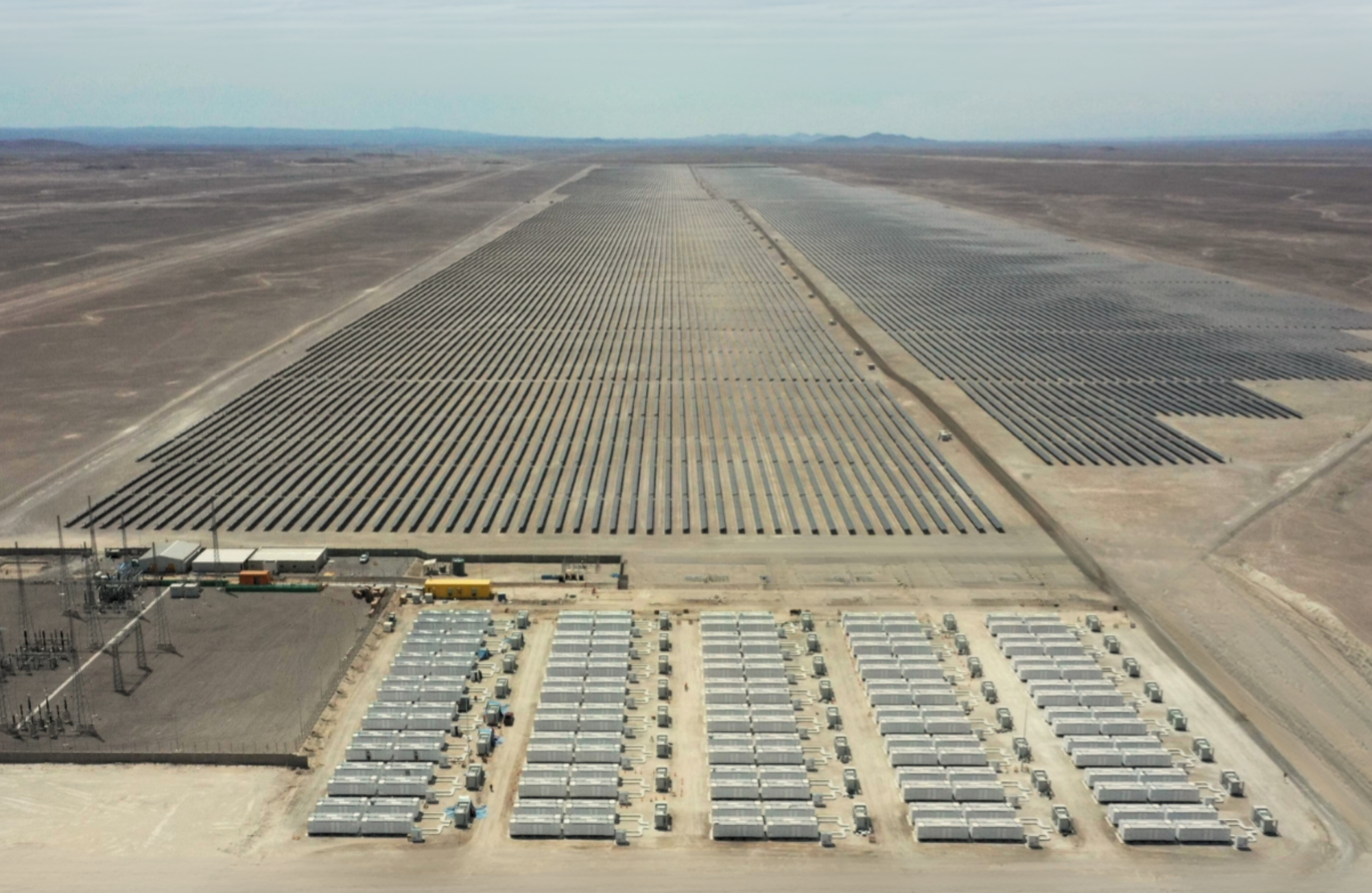
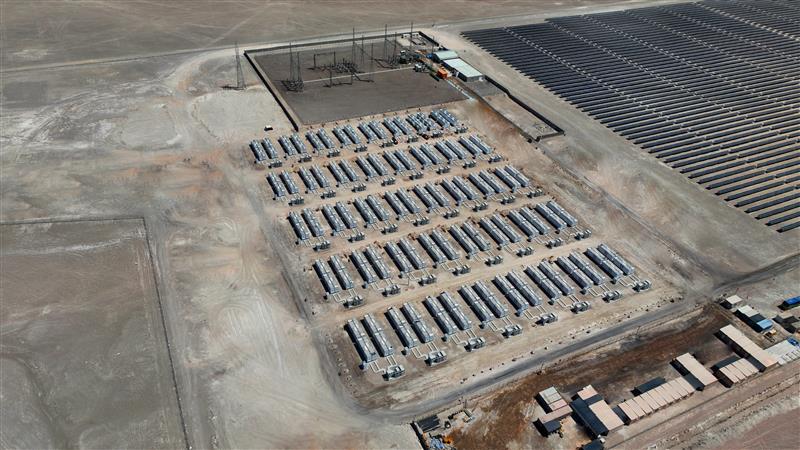
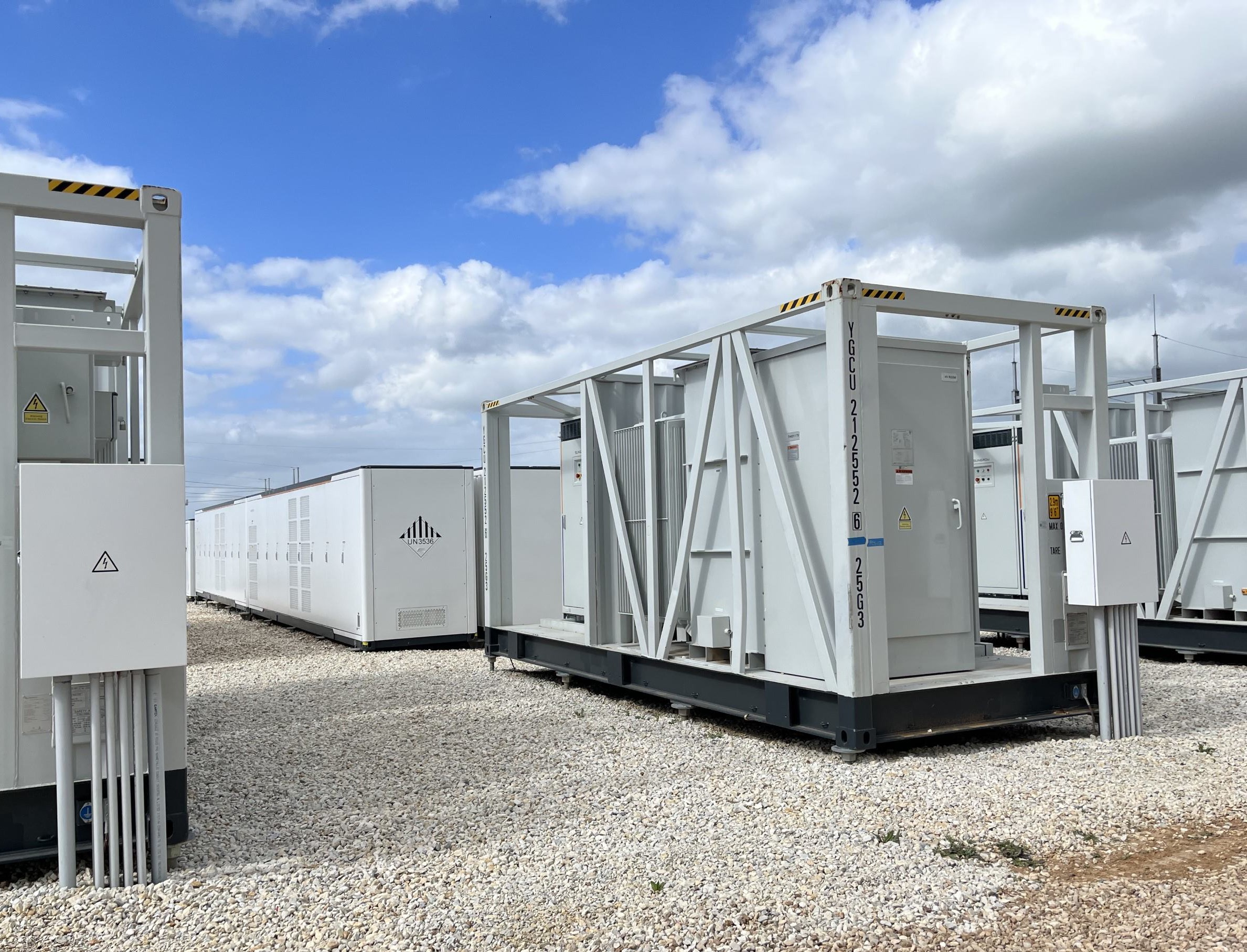
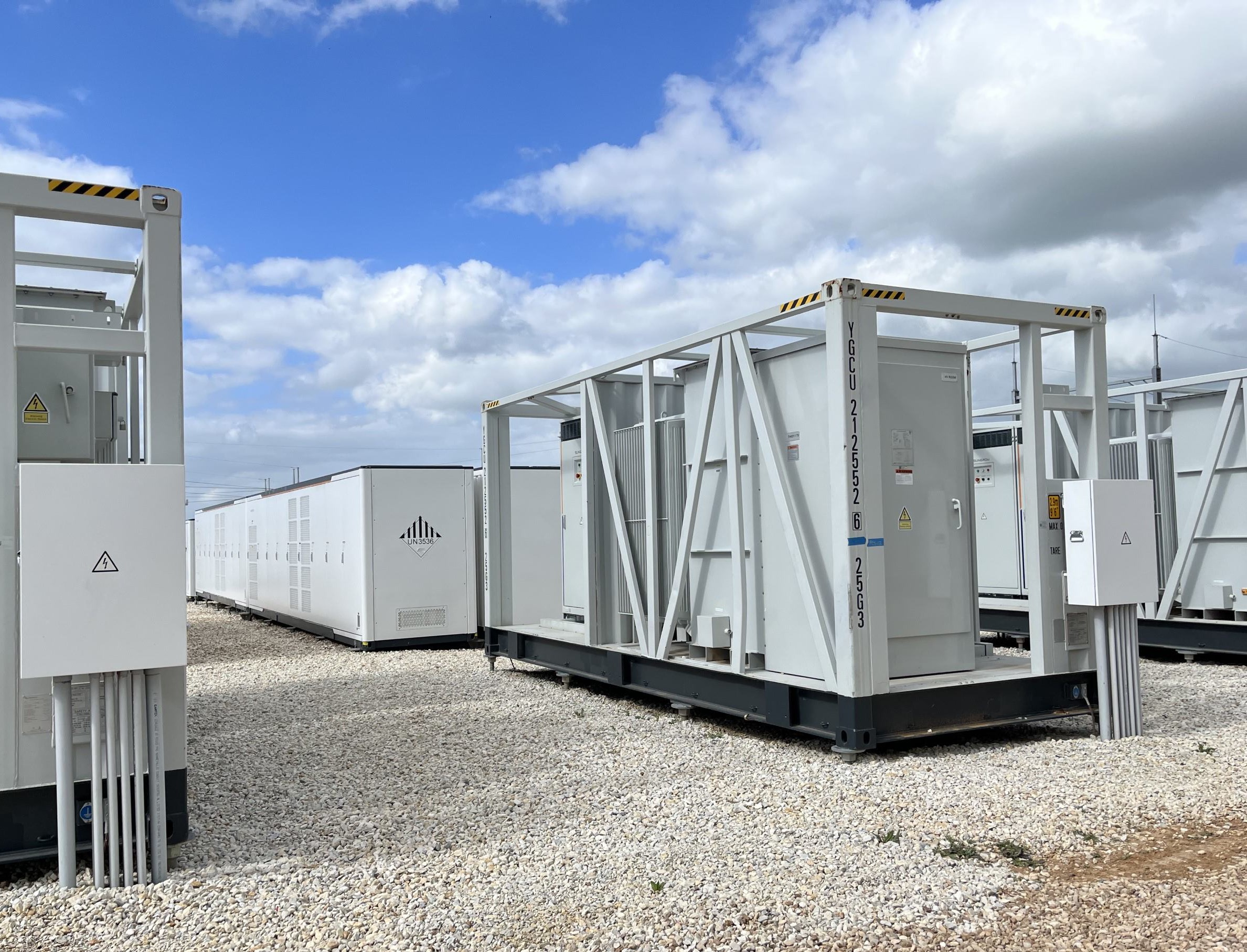
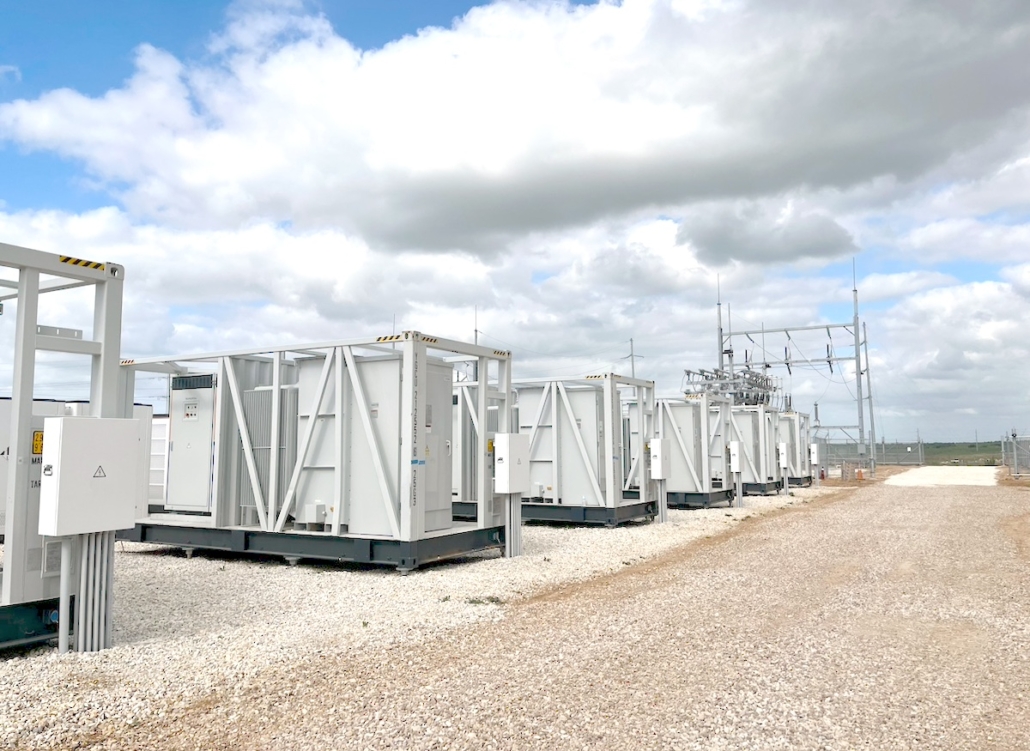
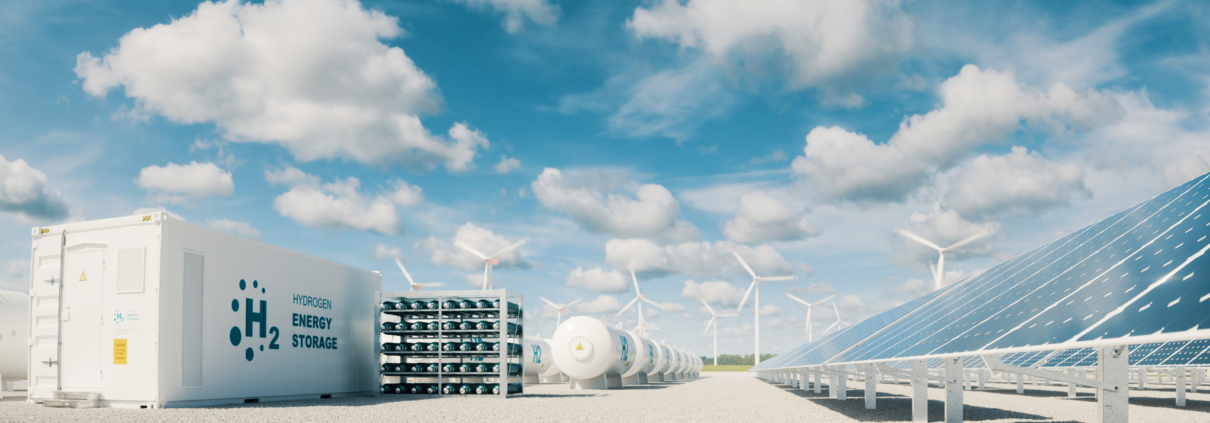
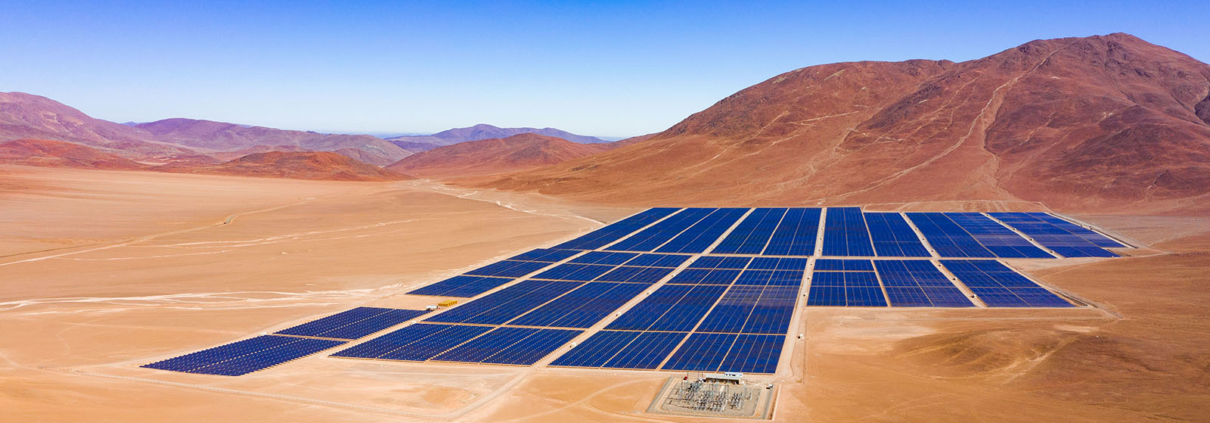
Battery Energy Storage Systems (BESS) are emerging as a fundamental solution for ensuring operational continuity in energy-intensive industries. One example is the agreement between Atlas Renewable Energy and Codelco in Chile, under which Atlas will supply 375 GWh annually of renewable energy, supported by a battery storage system. This project ensures a continuous supply even during peak hours or grid failures, protecting critical operations from disruption.
– Decentralized Models to Expand Coverage in Remote Areas
Decentralized energy is gaining momentum in Latin America as an alternative to overcoming transmission infrastructure constraints. While distributed generation offers clear benefits—greater autonomy and reduced exposure to outages—it also presents challenges in terms of technical implementation, economic sustainability, and local governance.
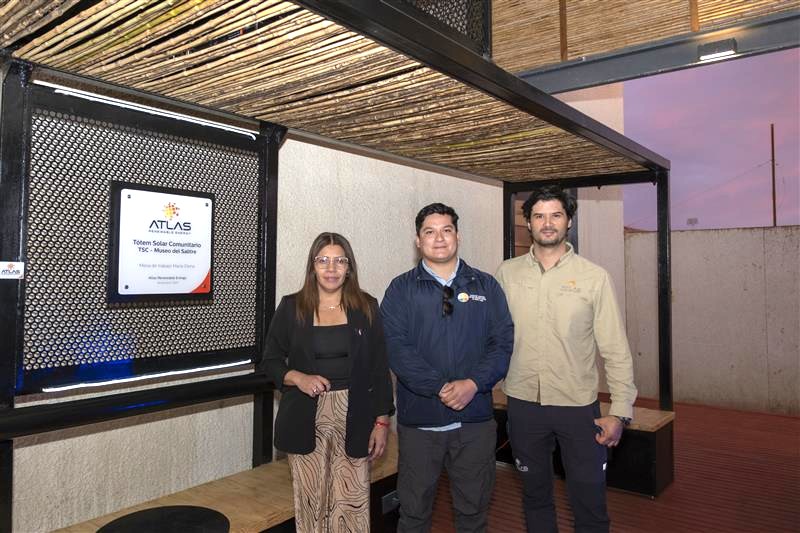
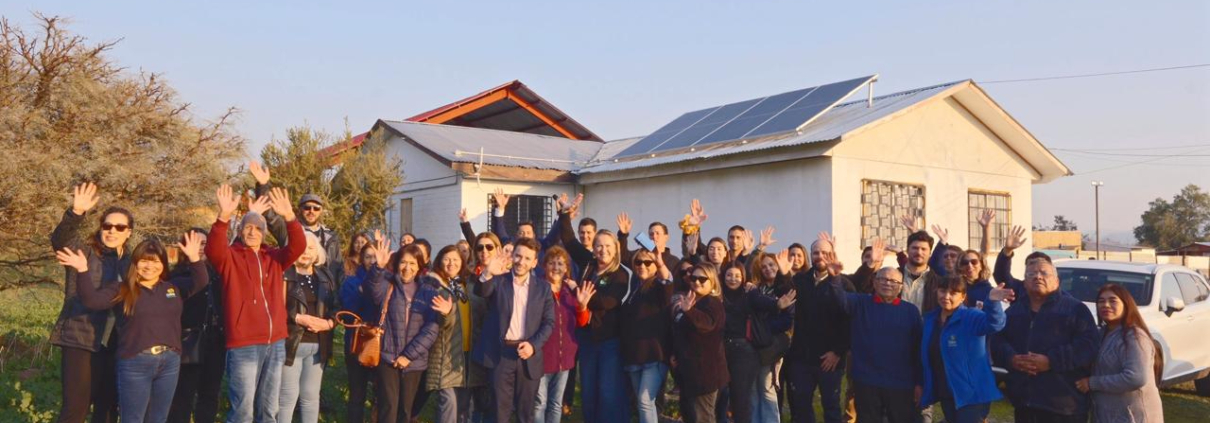
A relevant case is Colombia’s Energy Communities program, which enables non-interconnected populations to generate, manage, and consume their own renewable energy. This model promotes more equitable and direct access to electricity, particularly in isolated regions, while creating opportunities for new energy markets.
However, success depends on factors such as local organizational capacity, appropriate financing mechanisms, and sustained technical support. These projects represent growing trends that could scale and replicate across the region, provided they adapt to each community’s cultural, social, and geographic context.
– Digitalization and Intelligent Demand Management
In Latin America, digital technologies applied to energy are becoming essential tools for optimizing industrial operations. Intelligent platforms that monitor real-time consumption and forecast demand patterns help companies adjust usage, reduce waste, and optimize costs without compromising productivity.
For instance, Energy Management Systems (EMS) have reduced industrial consumption by 10% to 40%, according to the Latin America and Caribbean Energy Management Systems Observatory. These gains go beyond efficiency—they strengthen sustainability and global competitiveness.
What makes this transformation particularly powerful is that renewable energy is not only abundant but also relatively simple to deploy. By coupling digital demand management with scalable clean power, electrointensive industries can unlock cost stability, reduce exposure to fossil volatility, and reinforce their global competitiveness.
Yet, transmission bottlenecks remain. Despite progress in generation and consumption, many Latin American economies face constraints in energy transport networks, limiting the reach and effectiveness of digitalization. Building more resilient and reliable grids is a critical step toward consolidating this evolution.
Keys to Expanding with an Energy Advantage in Latin America
Positioning energy strategy at the core delivers a decisive edge for companies pursuing efficiency, cost control, and supply stability.
These are the key insights decision-makers should consider:
– Put energy at the core: When planning entry into any Latin American market, evaluate early which local sources are available, whether there is potential for on-site non-conventional renewables, and which strategic partners can help develop customized solutions.
– Leverage the transition: Several countries in the region offer incentives and infrastructure for clean projects. Moreover, integrating non-conventional renewables from the outset can translate into lower medium-term operating costs, especially for energy inputs. An energy transition-focused strategy also opens doors to financing and government support.
– Plan for resilience and competitiveness: Energy is more than a cost—it is a strategic decision. A 15- to 20-year contract or a self-owned facility requires investment, but ensures stability against volatile prices and grid failures. Such foresight creates competitive distance from less-prepared competitors.
Companies that treat energy as a core pillar—not just a resource—gain a long-term edge. Strategic planning from the start guarantees reliable, cost-efficient, and sustainable supply, empowering your organization to grow with confidence and shape the region’s energy future.
At Atlas Renewable Energy, we have a WhatsApp channel ready to assist you. Through it, you can get quick answers to your questions. Contact us and discover how easy it is to connect with us!
This article was created in partnership with Castleberry Media. At Castleberry Media, we are dedicated to environmental sustainability. By purchasing carbon certificates for tree planting, we actively combat deforestation and offset our CO₂ emissions threefold.
Share This Entry