
WEF 2026 Highlighted Renewable Ambition. Energy Storage Is How to Deliver It

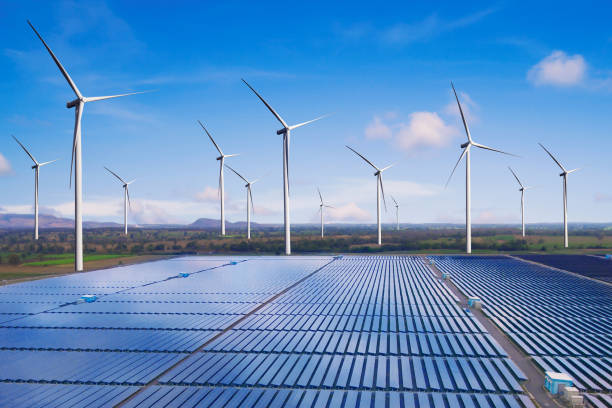
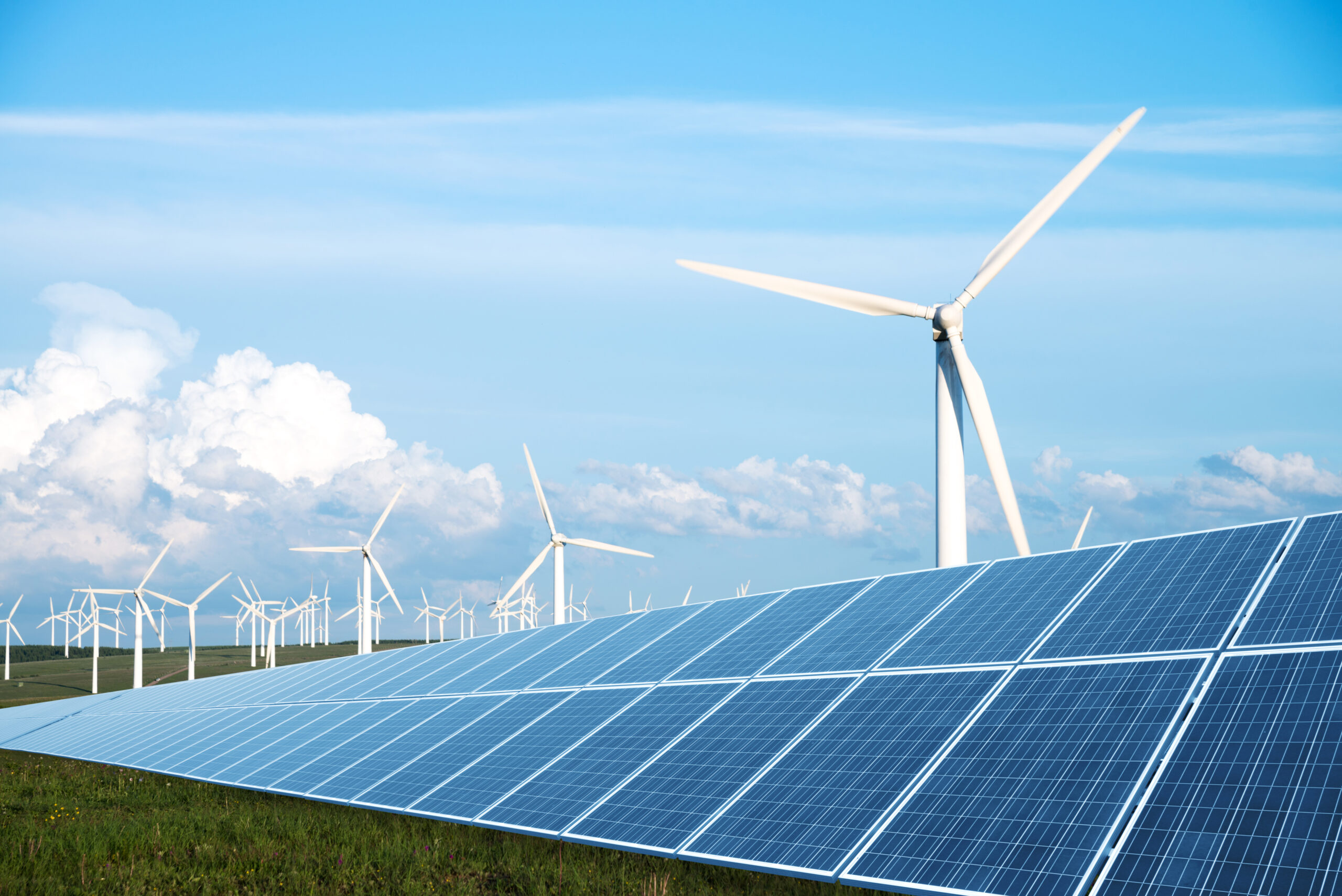
At the World Economic Forum’s 2026 Annual Meeting, political and business leaders converged on a shared message: renewable energy is now central to economic security and competitiveness. Less attention was paid to a harder question – how to deliver on that vision when grid systems are struggling to keep pace. Our experience in Latin America shows how energy storage can create a practical route from ambition to usable power.
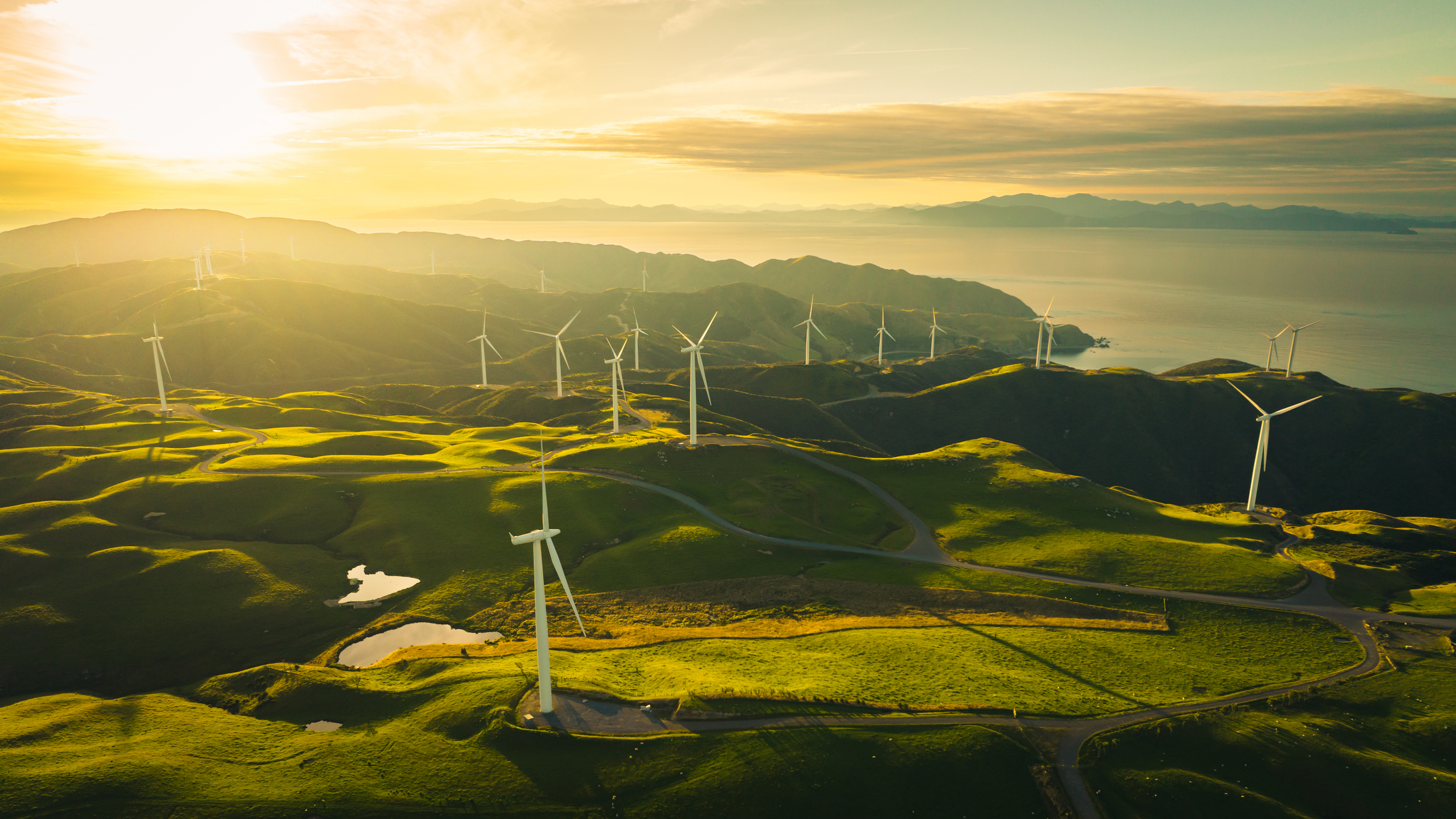
The World Economic Forum’s 2026 Annual Meeting signaled a fundamental shift in how global leaders approach the energy transition. As the European Union reaffirmed its commitment to renewable cooperation, China positioned green growth at the heart of its next five-year plan, and Mexico framed industrial decarbonization as a driver of competitiveness and development, the message was clear: clean energy is no longer just an environmental cause, but a pillar of economic security, resilience, and growth.
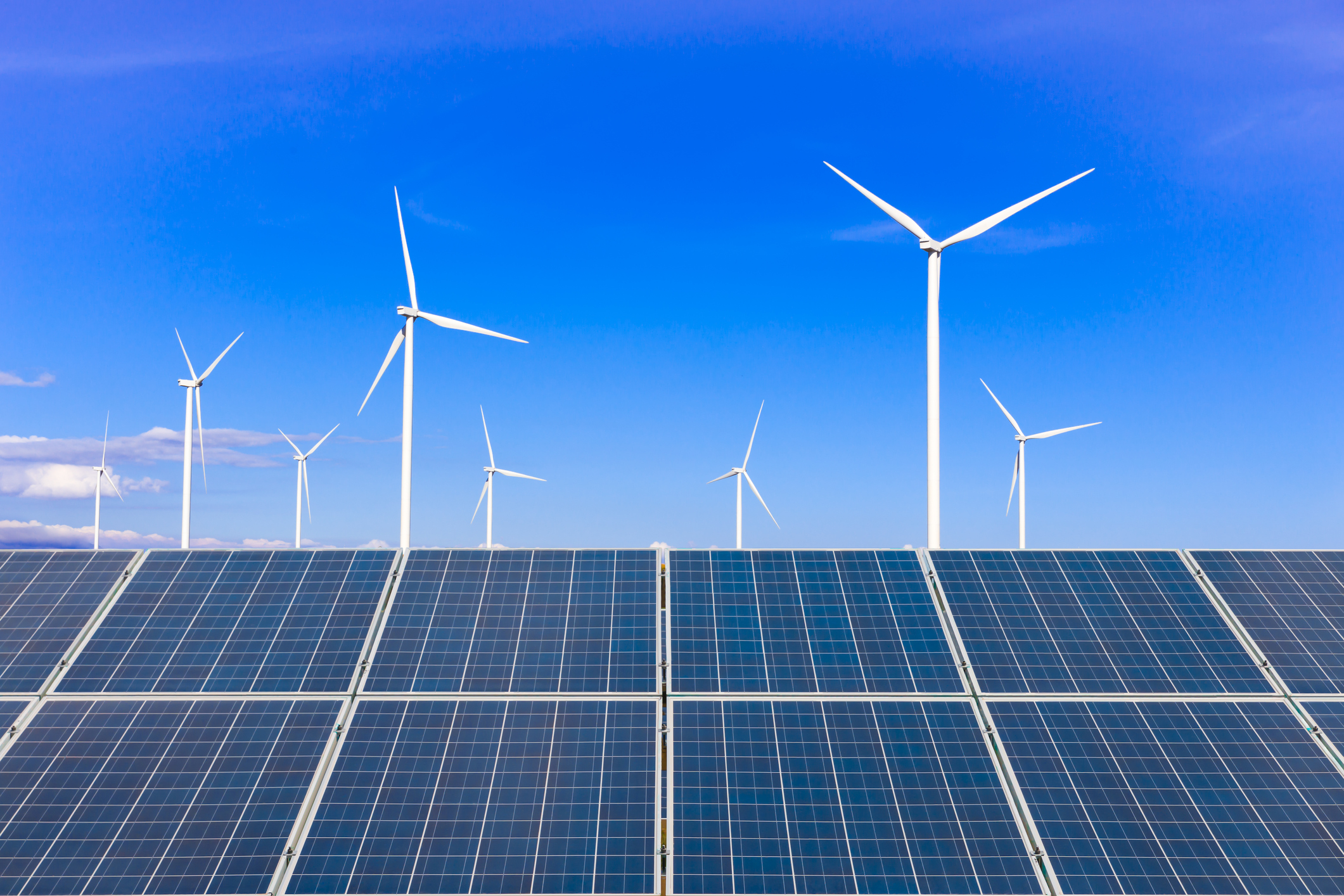
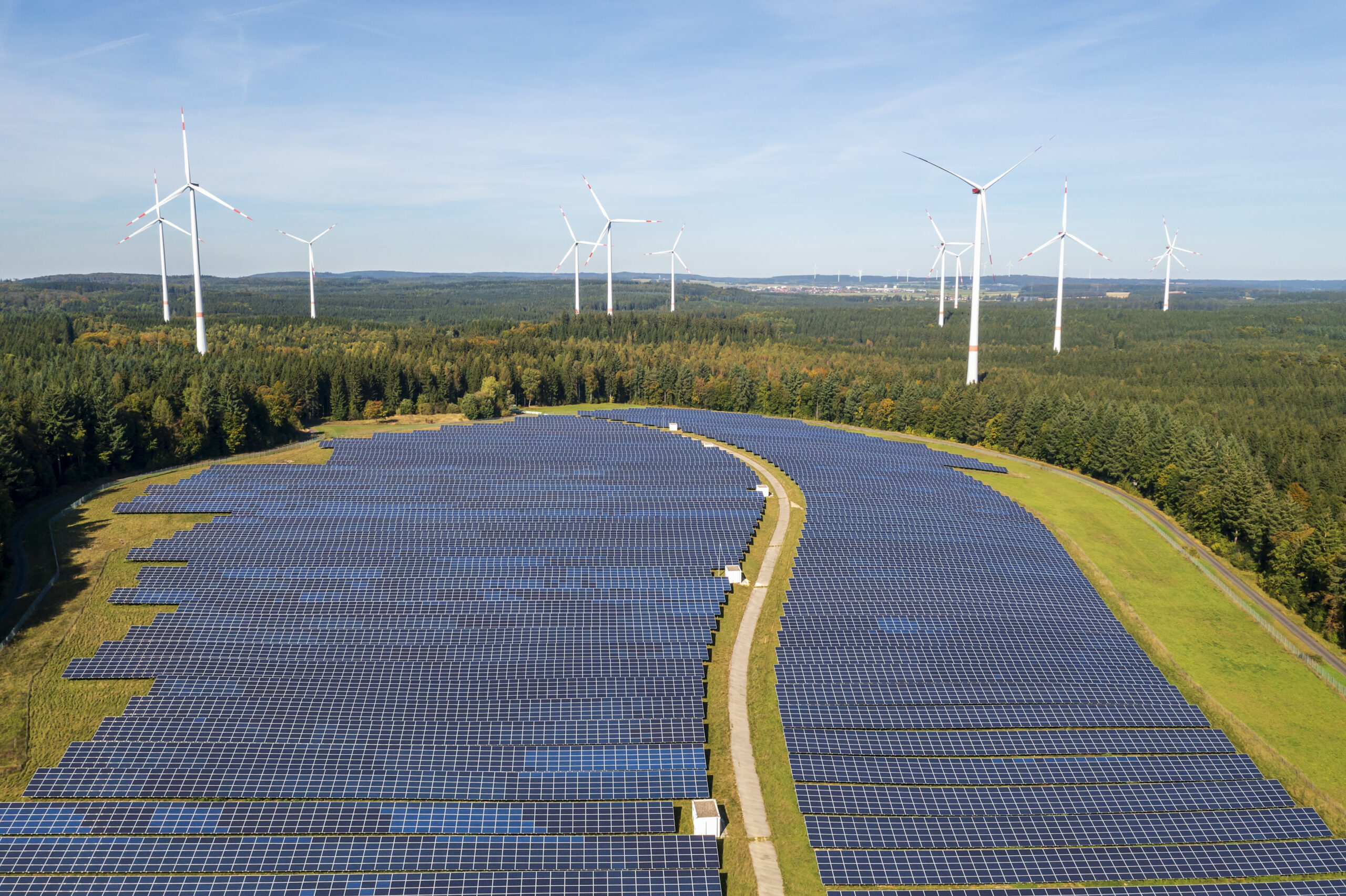
This reframing reflects a global reality. Around the world, investment in clean energy is accelerating, with renewables now accounting for over 90% of new global electricity capacity.
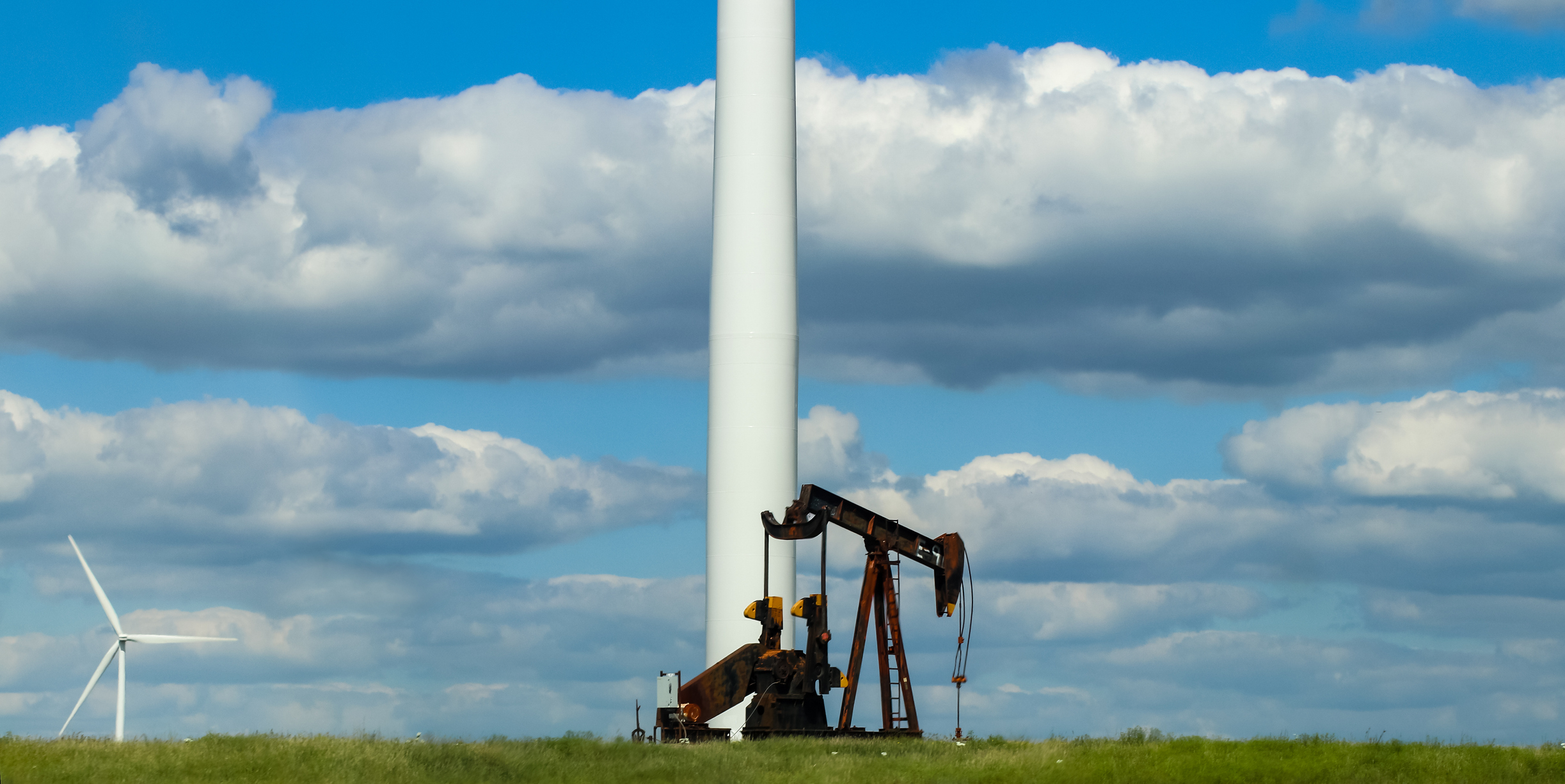
But, as United Nations Secretary General Antonio Guterres noted during his recent address to the Assembly of the International Renewable Energy Agency (IRENA), the backbone of this transformation is failing. Grid infrastructure designed for a different era cannot keep pace with rising demand or absorb the renewable capacity already being built.
For Latin America, this challenge is particularly acute. The region’s industrial growth – mining electrification, manufacturing expansion, and a data center sector projected to reach US$14.3 billion by 2030 – is driving electricity demand growth of 6% annually while simultaneously fueling economic expansion. Yet the infrastructure gap threatens to constrain both.
Closing this gap will require an unprecedented expansion of power infrastructure. According to the International Energy Agency (IEA), global grid investment would need to nearly double by 2030 to more than US$600 billion a year, while more than 80 million kilometers of networks must be added or refurbished by 2040 – the equivalent of rebuilding the world’s entire electricity system. In the meantime, technological innovation, in the shape of energy storage, is providing a more immediate path forward.
Battery Storage as Grid Infrastructure
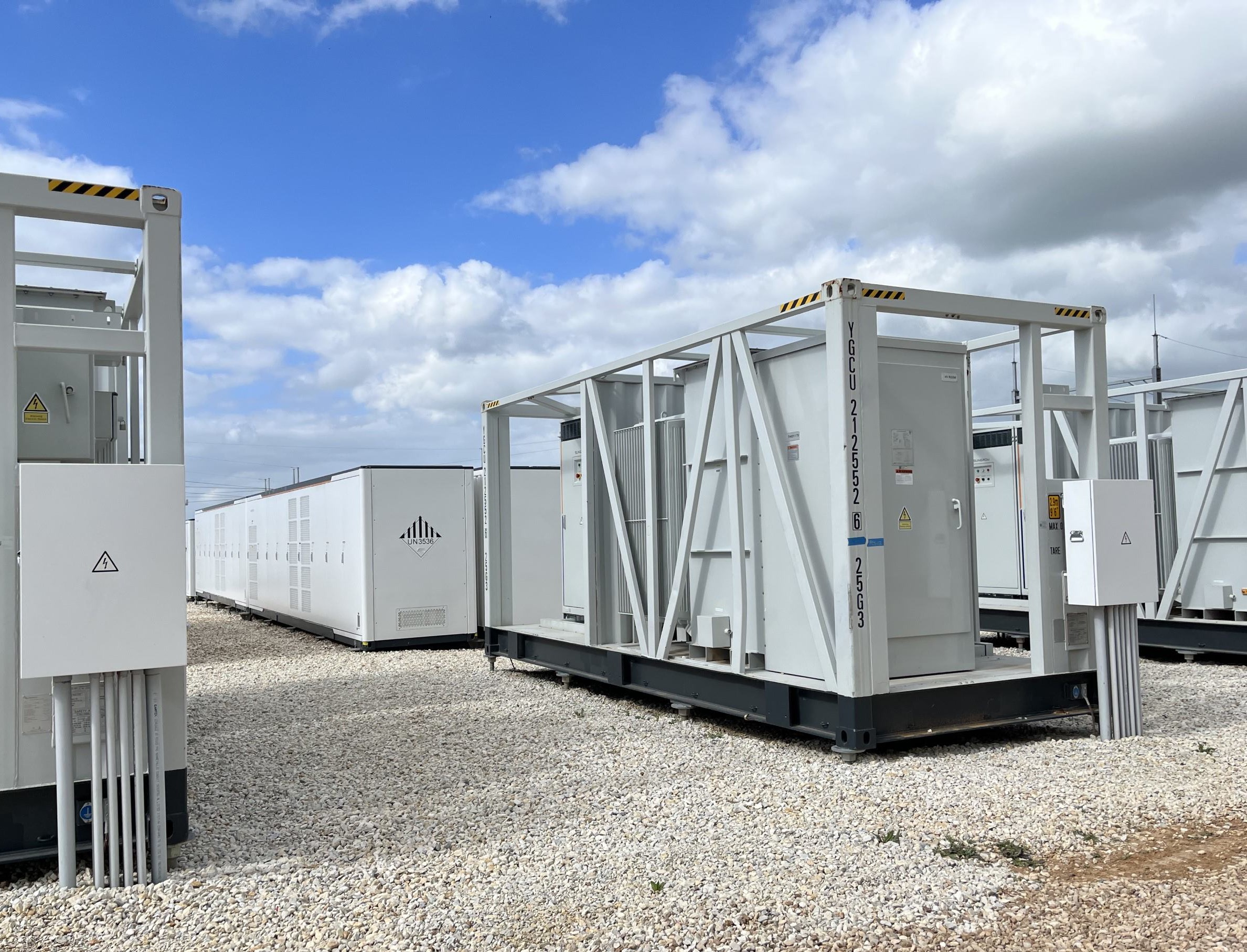
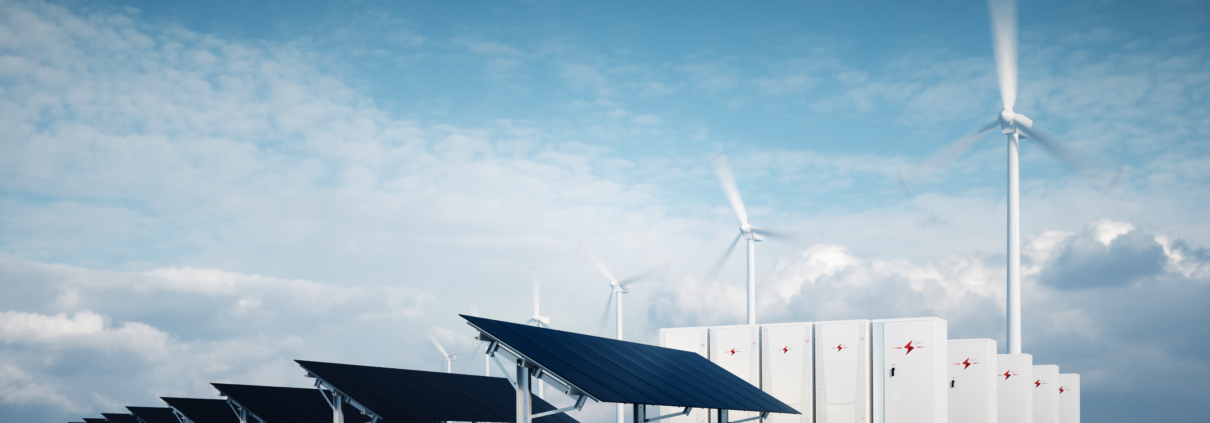
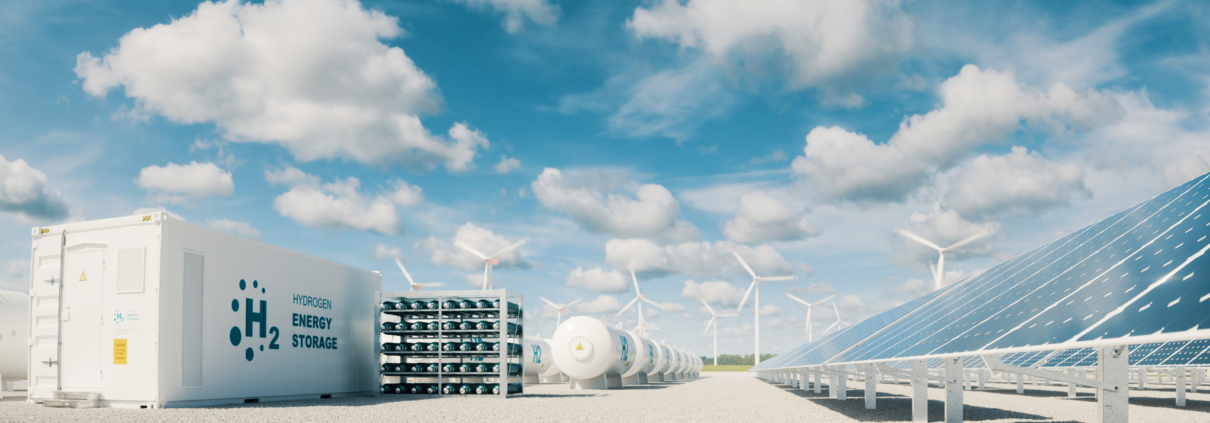
Once seen as an expensive and marginal add-on to renewable projects, energy storage has rapidly moved into the center of power system planning. Sharp declines in costs, accelerating deployment, and changing market and regulatory frameworks have transformed battery energy storage systems (BESS) from experimental assets into commercially viable infrastructure. In constrained grids, BESS is now being used to create capacity, manage volatility, and support industrial demand in ways that were not economically or operationally feasible even a few years ago.
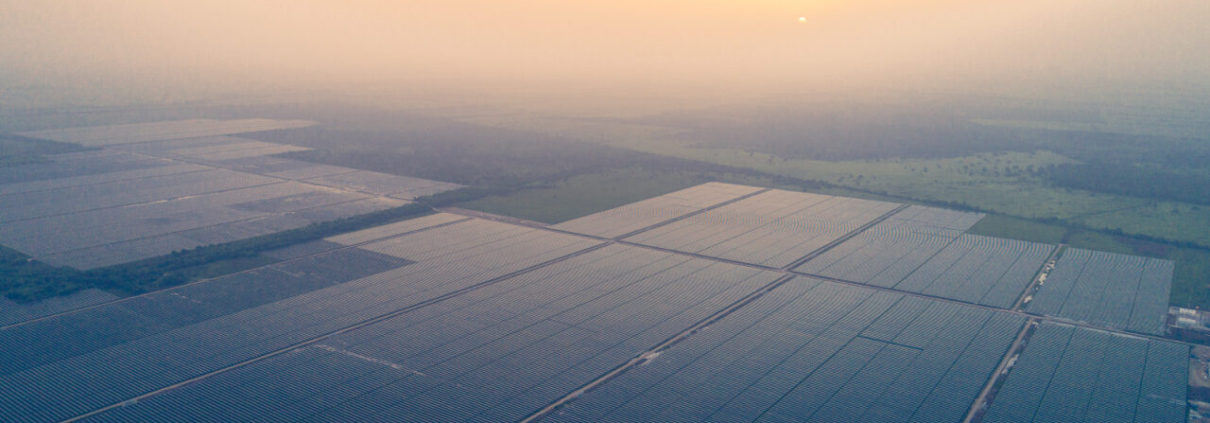
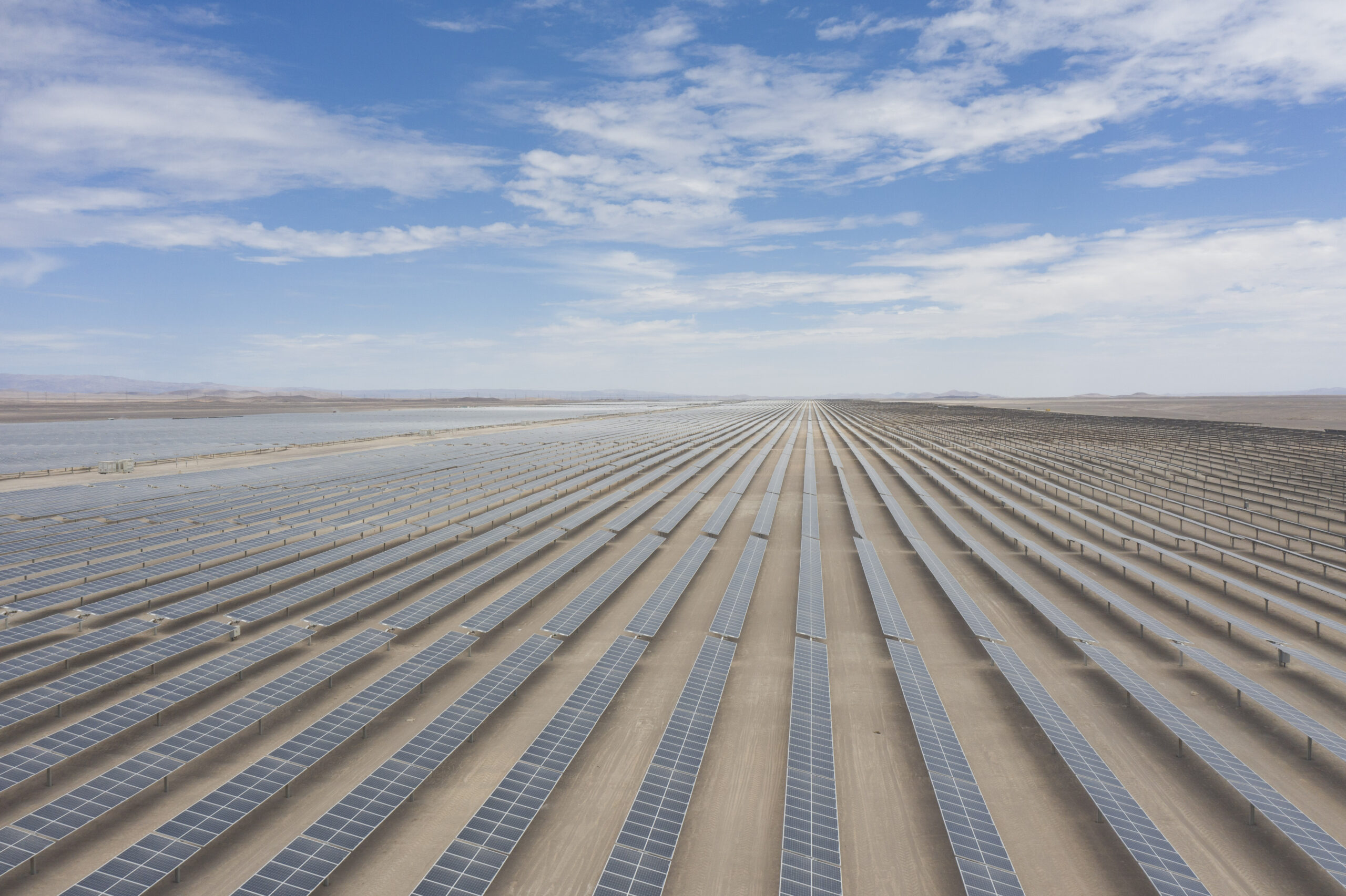
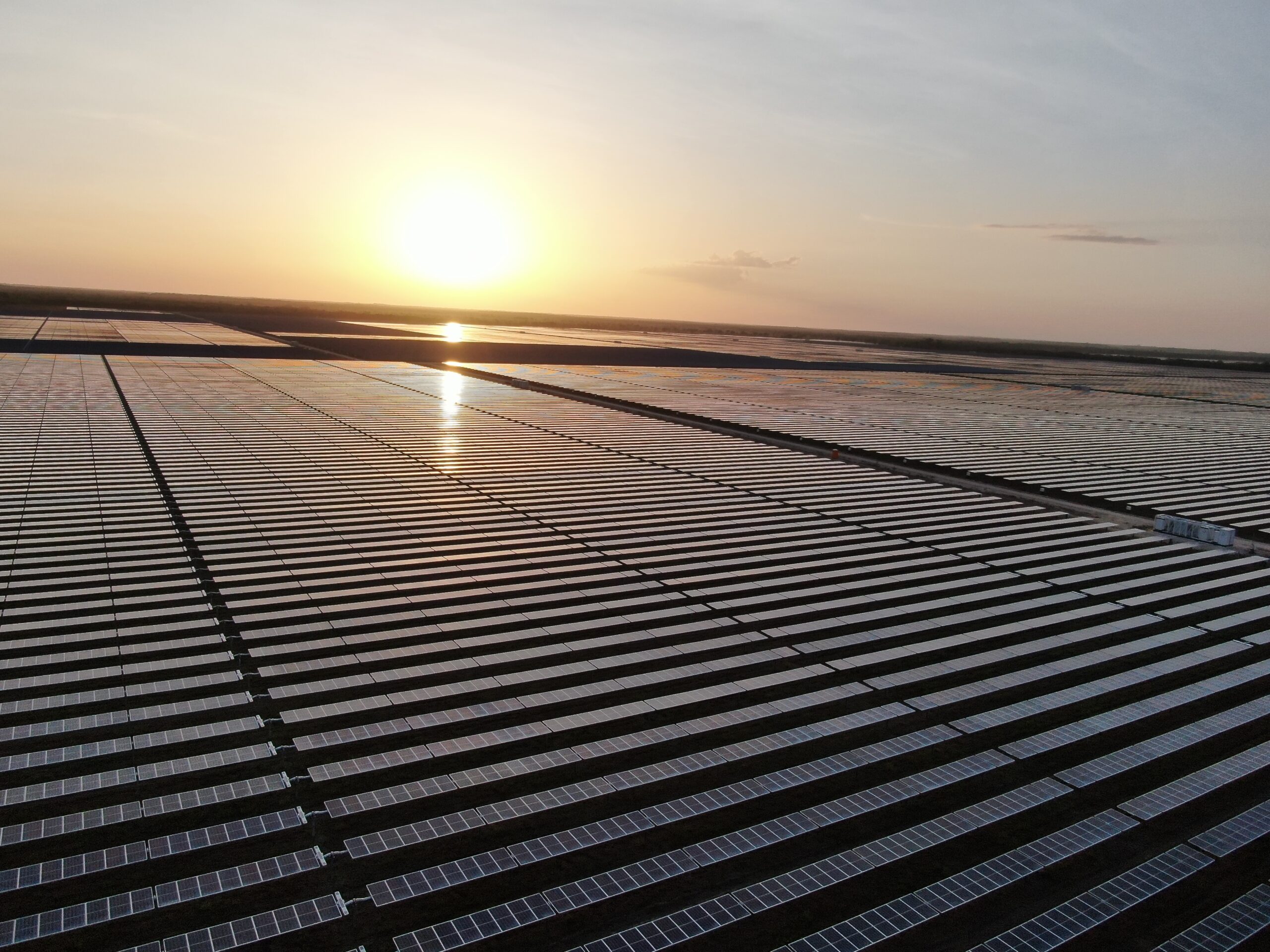
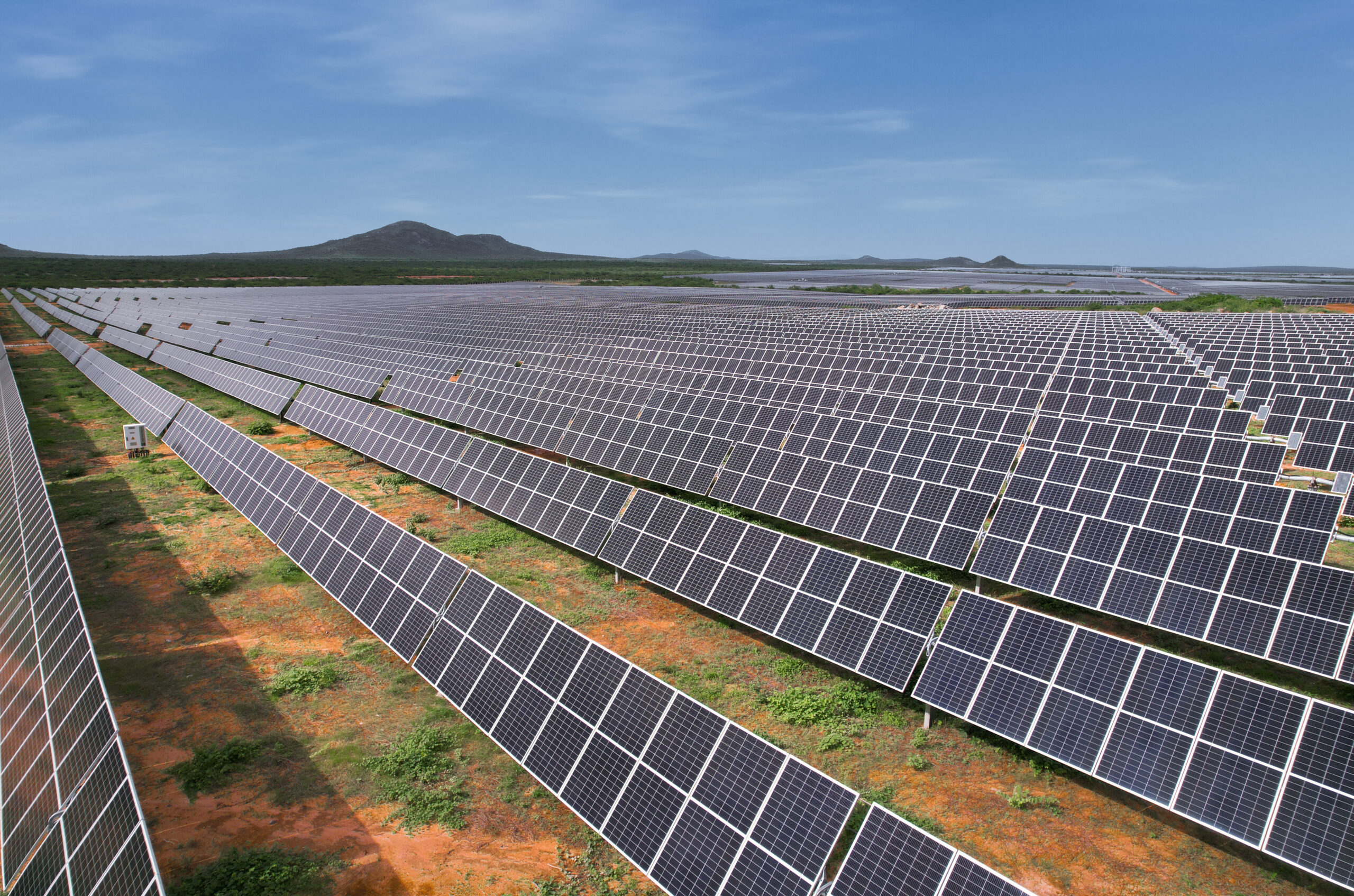
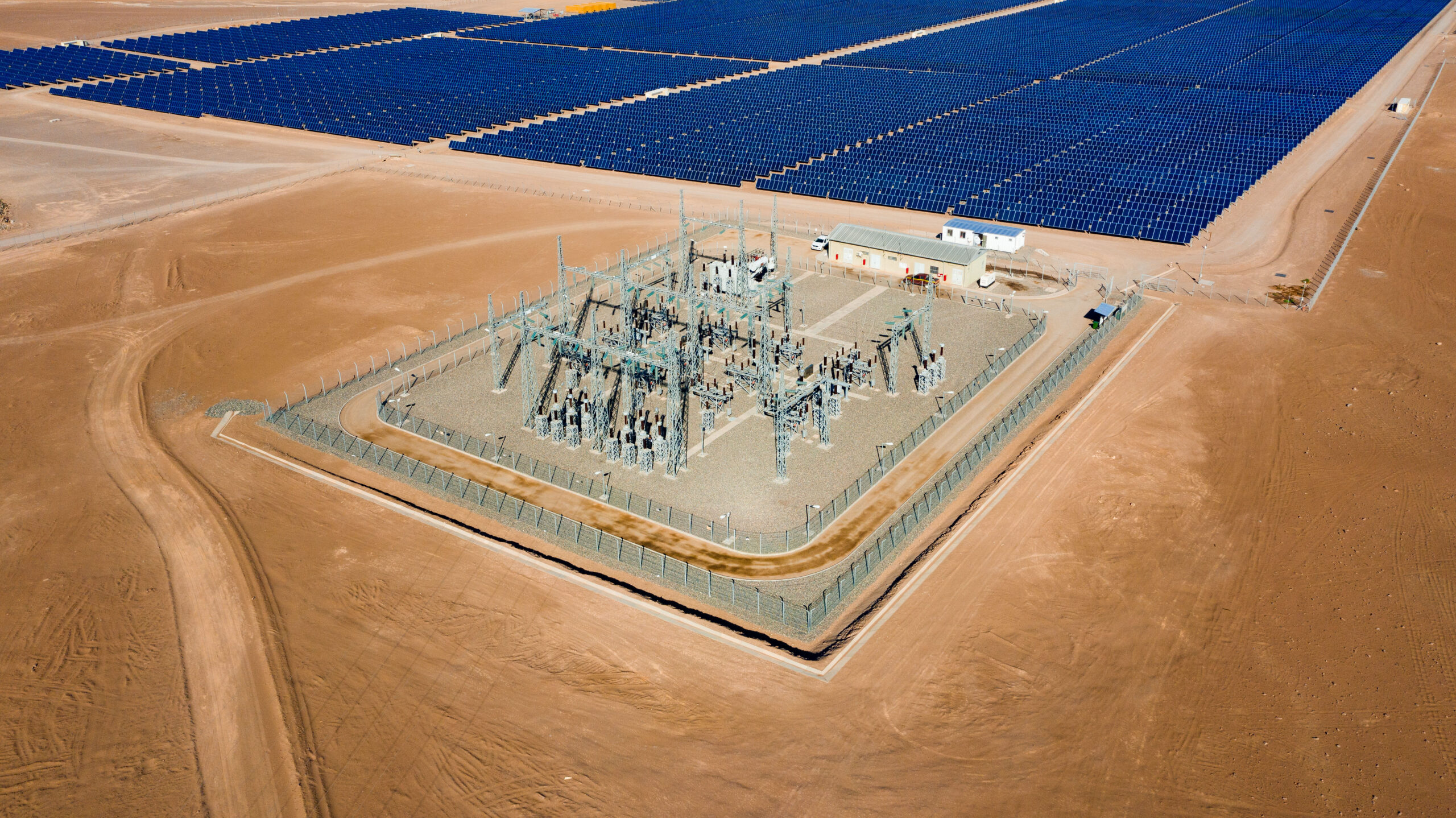
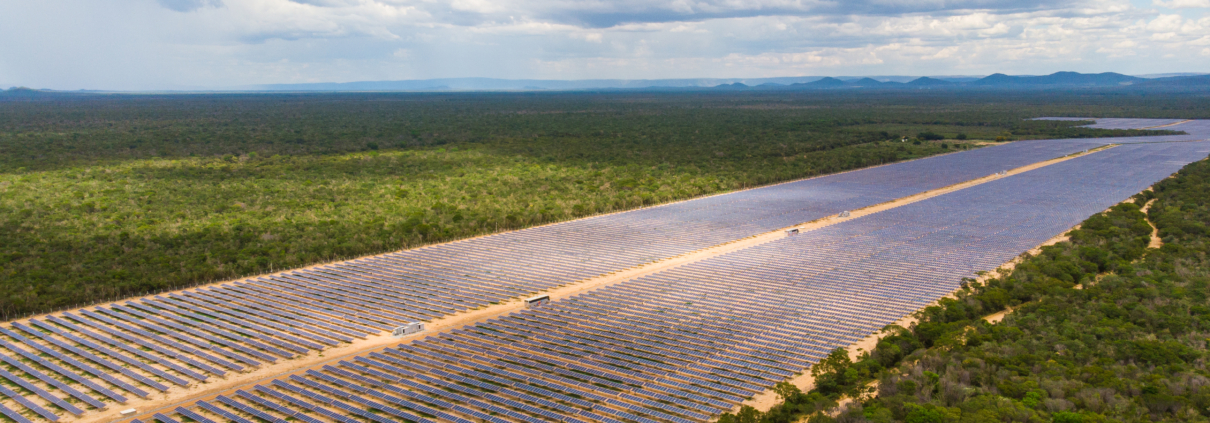
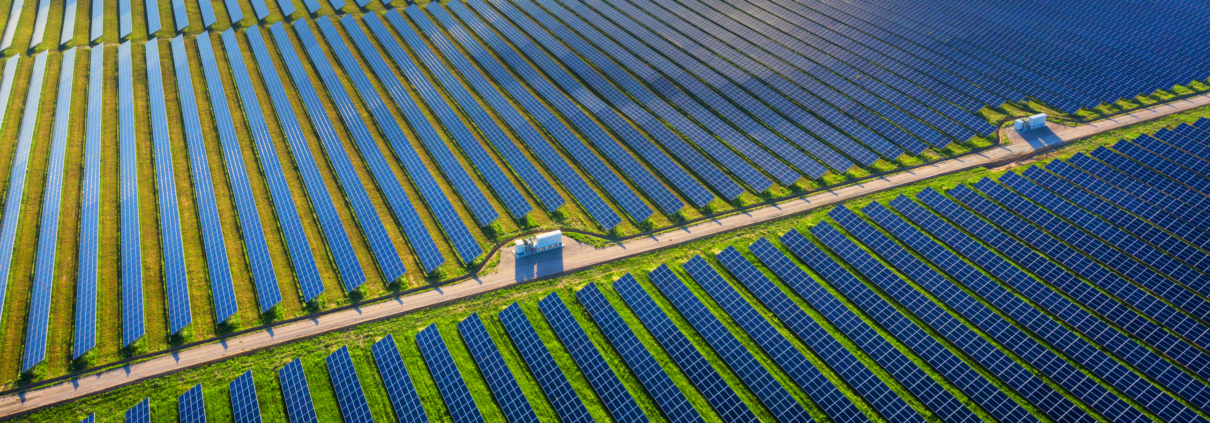
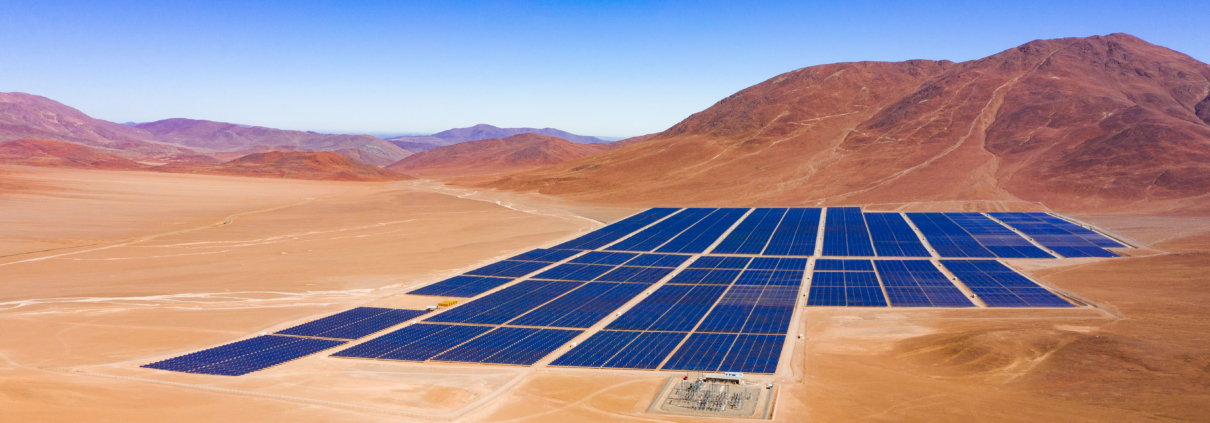
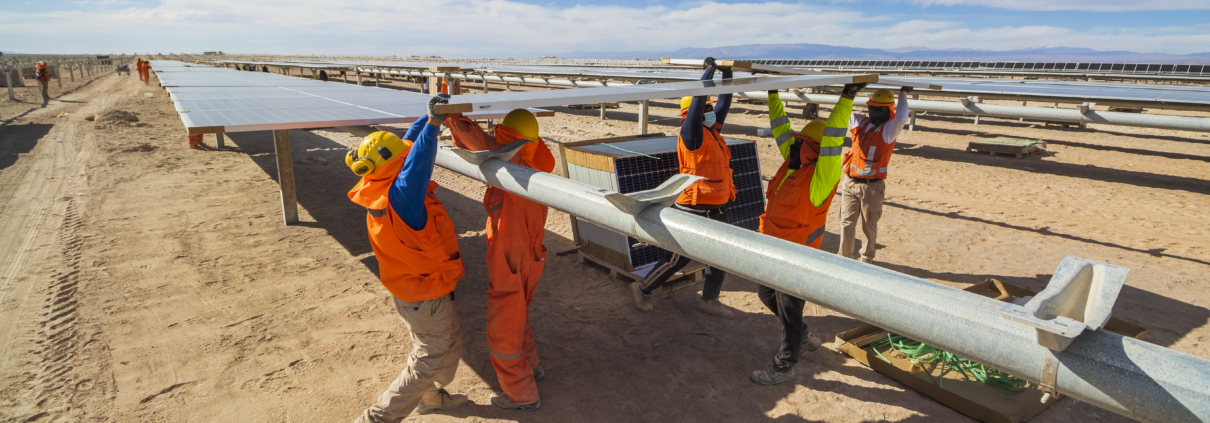
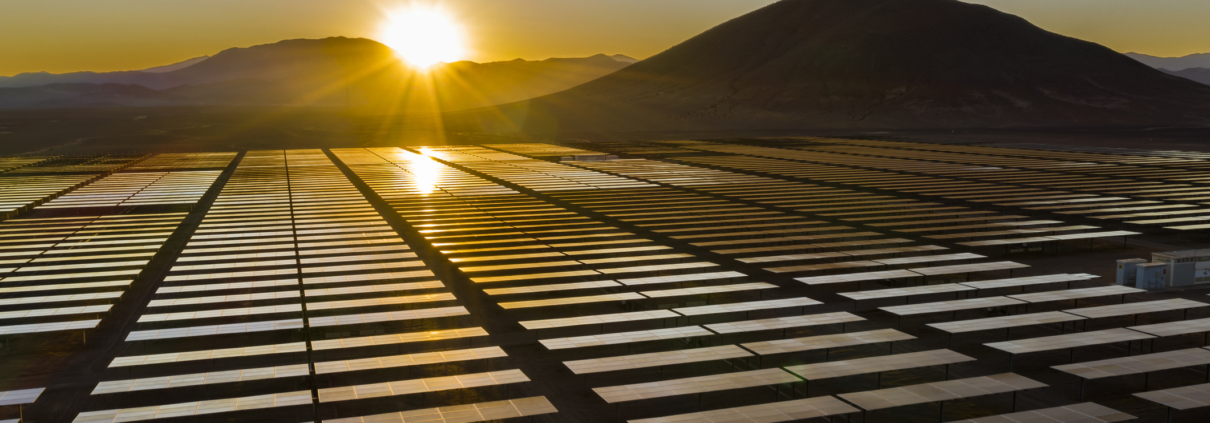
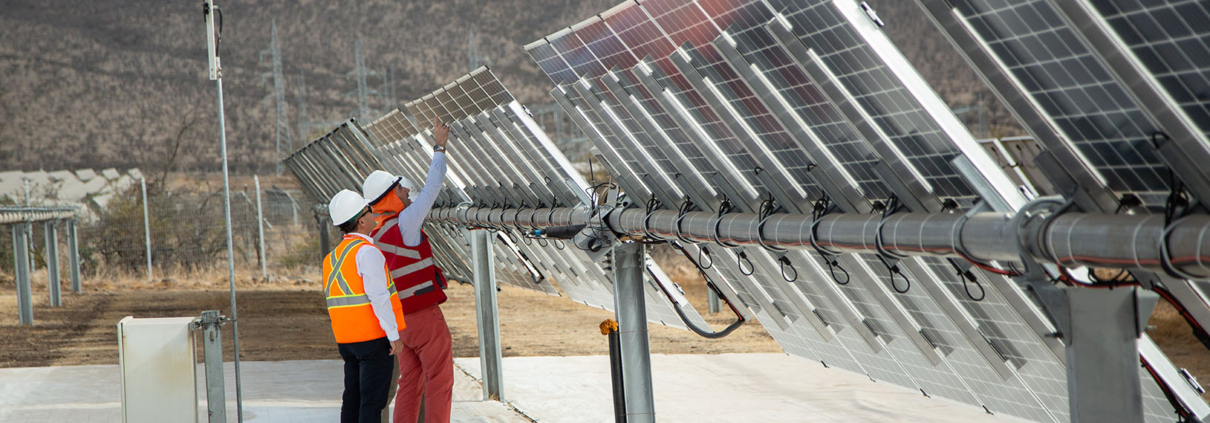
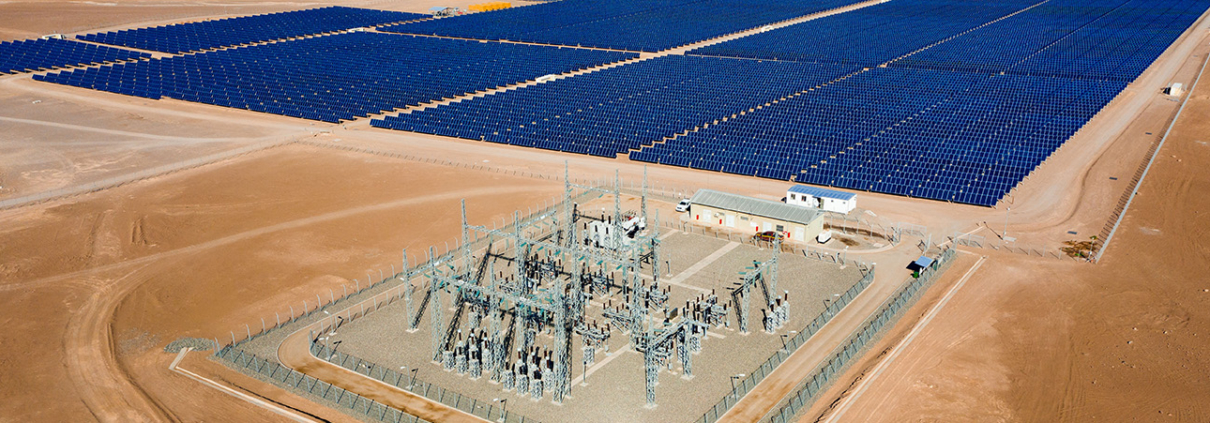
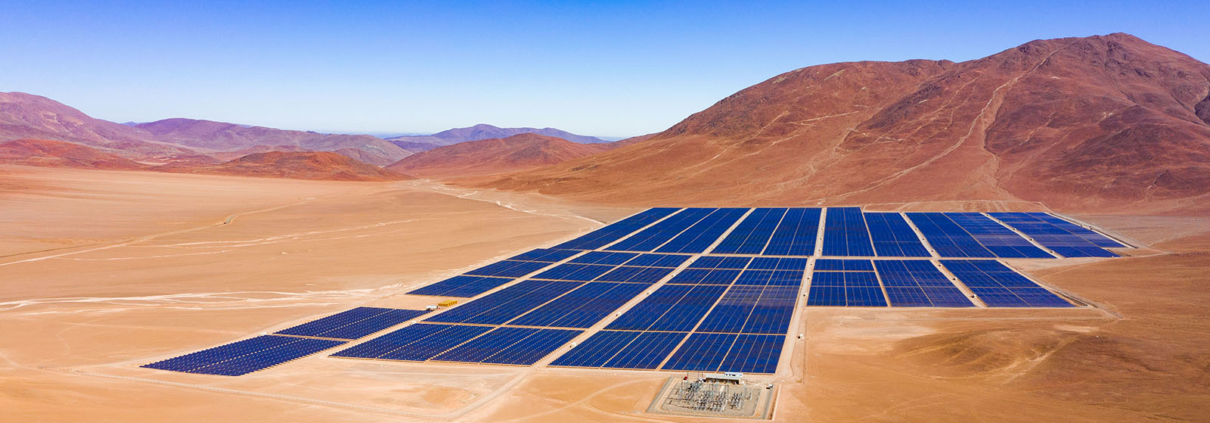
Chile illustrates this dynamic at scale. In 2024, the country curtailed nearly 6 TWh of solar and wind generation – enough to power 2 million homes for a year – because transmission networks could not absorb or deliver it when industries needed it. BESS del Desierto, operational since April 2025, was designed to address this constraint. The facility, which captures 200 MW of solar generation in an 800 MWh storage system, serves Chilean energy company COPEC through a 15-year agreement, providing 280 GWh annually while reducing curtailment and stabilizing the regional grid.
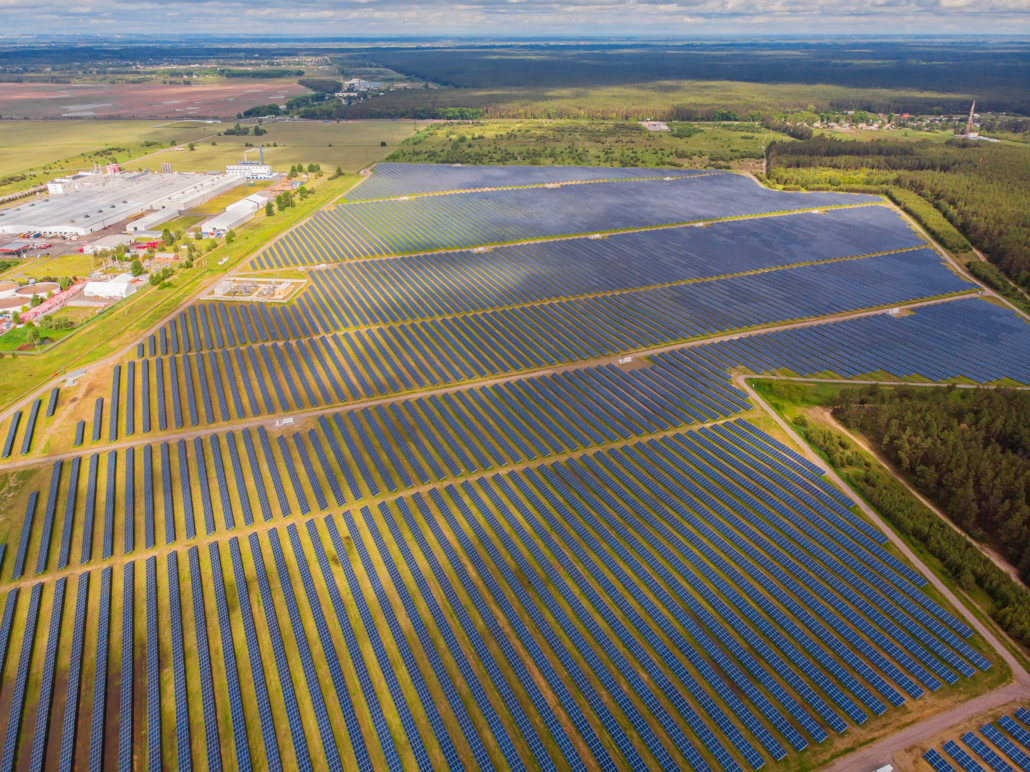
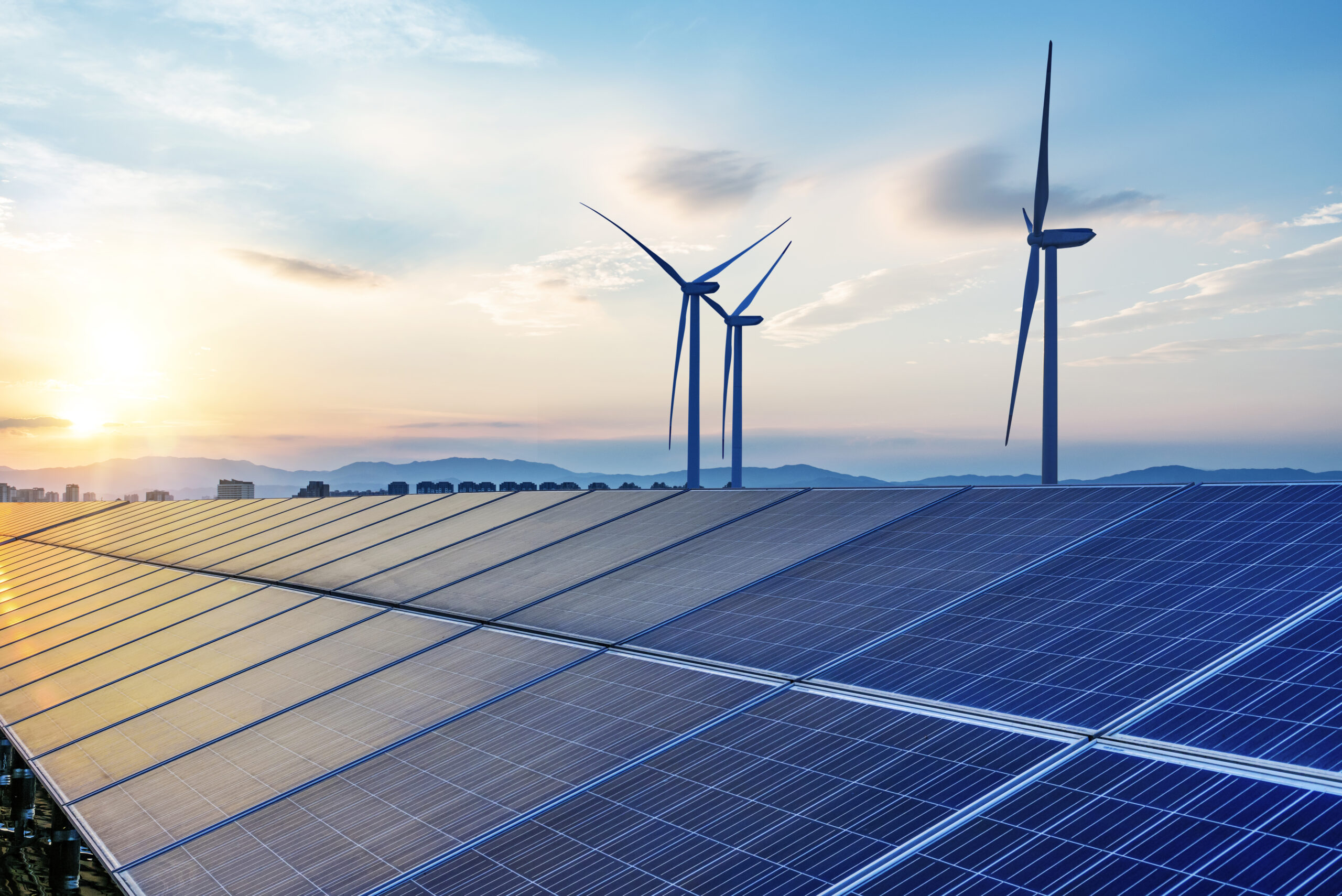
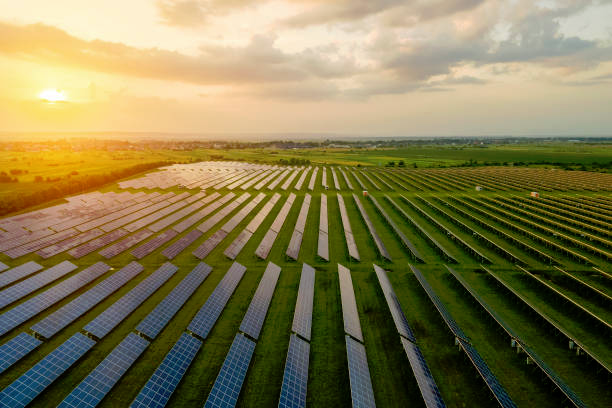
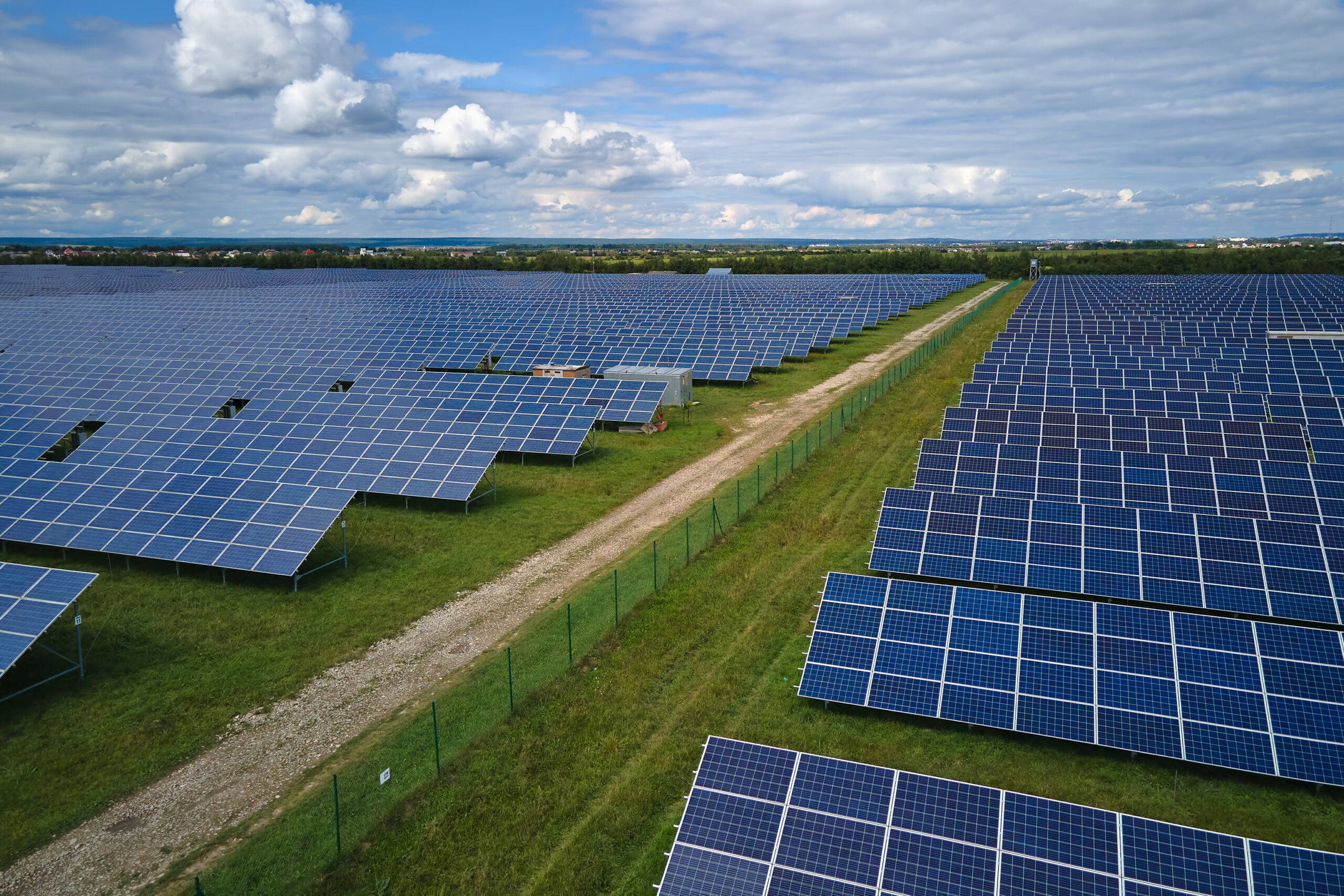
Meanwhile, the Estepa hybrid solar-plus-storage project, which is currently under construction, combines a 215 MW photovoltaic plant with two BESS units totaling 418 MW and four hours of autonomous storage, enabling continuous supply even when solar generation is not available.
Industrial energy users like Codelco access this infrastructure through long-term power purchase agreements (PPAs). The world’s largest copper producer recently signed a 15-year agreement for 24/7 renewable supply that enables continuous mining operations with fixed costs and verified clean energy credentials. The agreement bypasses grid constraints entirely –Codelco accesses renewable power through dedicated infrastructure rather than competing for limited grid capacity.
Storage is now being built at a meaningful scale. Chile has almost 2 GW of battery capacity operational or under construction, with several additional gigawatts in development. Brazil is advancing comparable projects in the Northeast, while Mexico’s manufacturing corridors are evaluating storage investments to support nearshoring and bypass grid connection delays. Across the region, BESS is moving from pilot deployments to core system infrastructure.
Strategic Implications for Industrial Operations
As BESS becomes more widely available, it is reshaping how industrial consumers think about energy risk, expansion, and competitiveness.
Long-term PPAs linked to solar-plus-storage assets convert energy from a volatile input into a predictable operating cost. Contracts spanning 15 to 20 years insulate companies from extreme spot market swings, fundamentally altering project economics and investment risk for industrial consumers like mining operators planning multi-decade extraction operations, or data center developers evaluating US$500 million facilities.
Energy storage enables expansion that grid constraints would otherwise prevent. Solar plus storage can be deployed on industrial sites, enabling companies to scale based on market demand rather than waiting for public infrastructure investment. This matters particularly for data centers, where speed to market affects competitive position and power availability has become the primary factor in site selection.
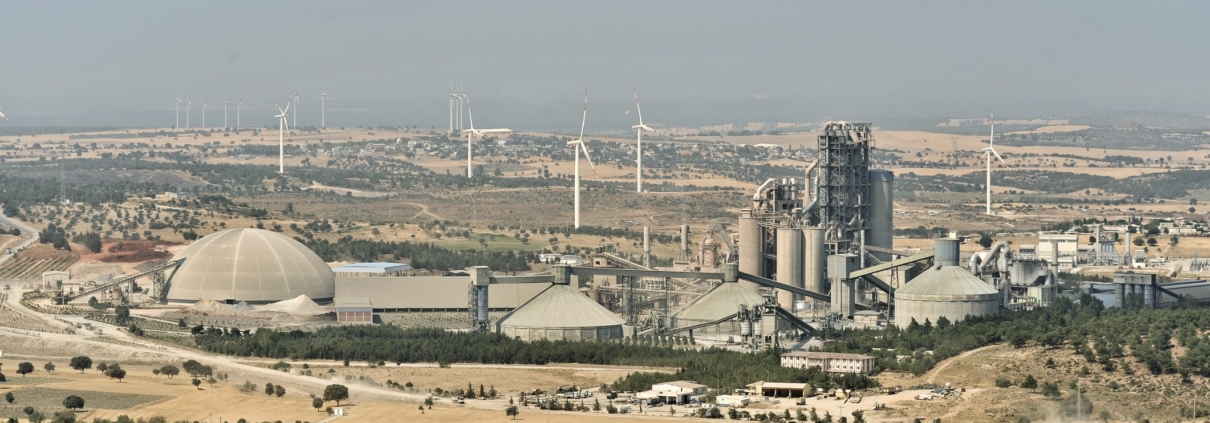
For heavy industry and manufacturing operations, storage-backed renewable supply also helps address mounting regulatory and commercial pressures around decarbonization. The EU’s Carbon Border Adjustment Mechanism, for example, is translating carbon intensity into direct cost exposure, and steel and materials producers must demonstrate low carbon intensity to remain competitive. Distributed renewable infrastructure supported by energy storage enables companies to secure auditable clean energy credentials without compromising operational reliability.
Making the Transition a Reality
The discussions at WEF 2026 underscored a reality already visible across major industrial markets: the energy transition is now constrained less by ambition than by infrastructure.
While large-scale network upgrades will take years to materialize, energy storage can deliver the firm, predictable renewable power needed today to enable companies to grow, decarbonize, and compete.
The technology exists, the financing mechanisms are proven, and the operational track records are established. The question facing industrial leaders is no longer whether energy storage can bridge the gap between renewable ambition and grid reality—it demonstrably can.
The question is how quickly decision-makers will recognize that energy strategy has become synonymous with competitive strategy, and act accordingly. In markets where infrastructure determines who can expand and who cannot, the companies securing storage-backed renewable supply today are not just managing energy risk—they are defining the terms of industrial competition for the next decade.
This article was created in partnership with Castleberry Media. At Castleberry Media, we are dedicated to environmental sustainability. By purchasing carbon certificates for tree planting, we actively combat deforestation and offset our CO₂ emissions threefold.
Share This Entry